
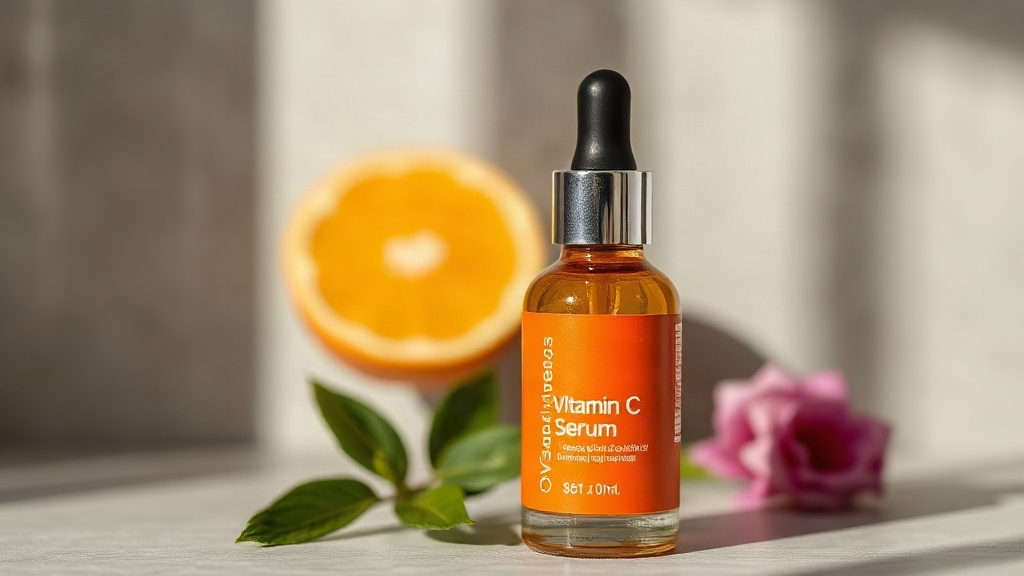
In recent years, there has been a significant shift in how consumers approach skincare, with a growing emphasis on natural and vegan products. Among these products, serums have gained immense popularity for their ability to deliver concentrated nutrients directly to the skin. A standout among these is a serum rich in vitamin C, known for its numerous benefits, including brightening the complexion, reducing the appearance of fine lines, and promoting an even skin tone. This serum not only caters to the needs of the skin but also aligns with ethical and sustainability values that many consumers prioritize today.
The quest for effective skincare solutions has led to the rise of vegan formulations that eschew animal-derived ingredients. This transition appeals to those who wish to maintain a cruelty-free lifestyle while still enjoying the advantages of potent skincare ingredients. A vitamin C serum that is vegan can provide the much-needed antioxidants that help combat free radicals, which are known to accelerate skin aging. By choosing a vegan option, consumers can feel good about their choices, both for their skin and for the environment.
Moreover, the formulation of a vegan vitamin C serum often includes additional plant-based ingredients that enhance its effectiveness. For instance, ingredients such as hyaluronic acid, ferulic acid, and various botanical extracts can work synergistically with vitamin C to boost hydration and improve skin texture. Understanding the ingredients and their benefits is crucial for consumers looking to optimize their skincare routine. This article will delve into the myriad advantages of using a vegan serum infused with vitamin C, how to select the right product, and tips for integrating it into your daily regimen.
Understanding Vitamin C in Skincare
Vitamin C, also known as ascorbic acid, plays a vital role in maintaining skin health and vitality. This powerful antioxidant protects the skin from oxidative stress caused by environmental factors such as pollution and UV radiation. When applied topically, vitamin C can help stimulate collagen production, leading to firmer and more youthful-looking skin. Additionally, it aids in reducing hyperpigmentation, thereby promoting a more uniform skin tone. Consumers are increasingly seeking products that harness the benefits of this essential vitamin, especially in a vegan format.
Incorporating vitamin C into your skincare routine can yield visible results in a relatively short time. Studies have shown that regular application of vitamin C can lead to a noticeable improvement in skin brightness and texture within weeks. Many individuals notice a reduction in dark spots and fine lines, making it a sought-after ingredient for anti-aging formulations. The versatility of this vitamin allows it to be combined with other skincare actives, enhancing overall efficacy and providing multifaceted benefits.
When selecting a vitamin C serum, consumers should consider the concentration of vitamin C, as well as the form it comes in. L-ascorbic acid is the most effective form of vitamin C, but it can be unstable. Thus, many brands are now utilizing stable derivatives, such as sodium ascorbyl phosphate or ascorbyl palmitate, which maintain efficacy while being easier to formulate. Moreover, ensuring that the product is packaged in a dark, airtight container helps preserve the integrity of the vitamin C, maximizing its benefits.
Regular use of vitamin C can lead to improvements in skin tone, texture, and overall radiance, making it a key ingredient in modern skincare.
Benefits of Vegan Formulations
Vegan skincare products are gaining traction for their ethical and environmental benefits. By eliminating animal-derived ingredients, these formulations not only cater to the needs of consumers who advocate for cruelty-free practices but also often incorporate plant-based alternatives that can be gentler on the skin. For instance, many vegan vitamin C serums utilize fruit extracts, such as kakadu plum and acerola cherry, which are naturally high in vitamin C and other beneficial compounds. These ingredients provide a holistic approach to skincare that aligns with the values of conscientious consumers.
In addition to ethical considerations, vegan formulations often focus on clean and environmentally-friendly practices. Many brands that produce vegan skincare products are committed to sustainability, utilizing eco-friendly packaging and sourcing ingredients responsibly. This approach resonates with consumers who are not only concerned about their skin health but also about the planet’s well-being. By choosing vegan products, consumers can support brands that prioritize environmental stewardship.
Furthermore, vegan vitamin C serums typically avoid harsh chemicals and synthetic additives that can irritate the skin. Instead, they rely on natural preservatives and soothing agents that enhance the overall experience of using the product. This makes vegan serums an excellent choice for individuals with sensitive skin or those looking to minimize their exposure to potentially harmful ingredients. As a result, consumers can enjoy the benefits of vitamin C without the drawbacks of traditional formulations.
The shift towards vegan skincare signifies a broader movement towards ethical consumption and sustainability in the beauty industry.
Selecting the Right Serum for Your Skin Type
Choosing the right serum is crucial for maximizing the benefits of vitamin C in your skincare routine. Different skin types have unique needs, and understanding these can guide consumers in selecting the most suitable product. For instance, individuals with oily skin may benefit from lightweight formulations that absorb quickly and do not clog pores, while those with dry skin may prefer serums that contain additional hydrating ingredients like glycerin or hyaluronic acid.
Additionally, individuals with sensitive skin should look for serums formulated with gentle, calming ingredients to avoid irritation. Some serums may incorporate soothing botanicals like aloe vera or chamomile, which can help counteract any potential redness or discomfort associated with vitamin C. It is also advisable to start with lower concentrations of vitamin C and gradually increase usage as the skin adapts.
For those concerned about specific skin issues such as hyperpigmentation or fine lines, selecting a serum that combines vitamin C with complementary ingredients can enhance results. For example, a serum that includes vitamin E or ferulic acid can boost the antioxidant effects of vitamin C and provide additional skin protection. Ultimately, consumers should assess their skin type and concerns to find a vegan vitamin C serum that aligns with their goals.
Integrating Vitamin C Serum into Your Routine
Incorporating a vegan vitamin C serum into your skincare routine can be straightforward and rewarding. It is generally recommended to apply the serum in the morning after cleansing and toning the skin. This timing allows the serum to provide protection against environmental stressors throughout the day. A small amount—typically a few drops—should be sufficient to cover the face and neck area, allowing for even distribution.
For optimal results, following the serum application with a broad-spectrum sunscreen is essential. Vitamin C can enhance the effectiveness of sunscreens, as it helps neutralize free radicals generated by UV exposure. Additionally, using a moisturizer after applying the serum can help lock in hydration and further protect the skin barrier. Consistency is key when using vitamin C serums; incorporating them into a daily routine will yield the best results over time.
It is also important to note that vitamin C can sometimes cause tingling or redness, especially when first introduced to the skin. If this occurs, it is advisable to reduce the frequency of application or choose a serum with a lower concentration. As the skin builds tolerance, users can gradually increase usage to enjoy the full benefits of vitamin C without discomfort.
— PROS AND CONS SECTION —
Pros and Cons
- Pros:
- Natural Ingredients: Many vegan vitamin C serums are made from natural sources, reducing the risk of irritation and promoting healthier skin overall.
- Ethical Practices: Choosing vegan products supports cruelty-free practices, appealing to consumers who prioritize ethical consumption.
- Antioxidant Protection: Vitamin C provides powerful antioxidant benefits, helping to protect the skin against environmental damage and oxidative stress.
- Brightening Effects: Regular use can lead to a more radiant complexion, minimizing the appearance of dark spots and uneven skin tone.
- Cons:
- Stability Issues: Some forms of vitamin C can be unstable, leading to reduced efficacy over time, especially if not stored properly.
- Potential Irritation: Some individuals may experience irritation or sensitivity, particularly when first introducing vitamin C into their routine.
- Cost: Vegan skincare products can sometimes be more expensive than conventional options, which may deter some consumers.
When weighing the pros and cons, it becomes evident that the benefits of a vegan vitamin C serum often outweigh the drawbacks. The natural, ethical formulations provide numerous advantages for skin health, and the potential risks are manageable with proper product selection and usage. Consumers can find a balance that aligns with their skincare goals while supporting a more sustainable and cruelty-free beauty industry.
— FAQ SECTION —
Frequently Asked Questions
- What is the primary function of vitamin C in skincare?
The primary function of vitamin C in skincare is to provide antioxidant protection, helping to neutralize free radicals and reduce oxidative stress on the skin. Additionally, it promotes collagen synthesis, leading to firmer skin and a more even tone. Regular use can also help fade hyperpigmentation and brighten the complexion.
- Can I use a vitamin C serum if I have sensitive skin?
Yes, individuals with sensitive skin can use a vitamin C serum, but it is advisable to start with a lower concentration and gradually increase usage. Choosing a formula that includes soothing ingredients can also help minimize the risk of irritation. Patch testing the product before full application can be beneficial.
- How often should I apply a vegan vitamin C serum?
It is generally recommended to apply a vegan vitamin C serum once daily, preferably in the morning. Consistency is key to achieving the desired results. However, if irritation occurs, users may choose to apply it every other day or as tolerated.
- What should I look for in a vegan vitamin C serum?
When selecting a vegan vitamin C serum, look for stable forms of vitamin C, such as sodium ascorbyl phosphate, and additional beneficial ingredients like hyaluronic acid or ferulic acid. Packaging should be airtight and opaque to protect the serum from light and air, preserving its efficacy.
- Can I use vitamin C with other skincare ingredients?
Yes, vitamin C can be used with many other skincare ingredients. It works particularly well with vitamin E and ferulic acid to enhance its antioxidant effects. However, it is advisable to avoid using it simultaneously with strong acids or retinoids, as this may lead to irritation.
Conclusion
In conclusion, incorporating a vegan vitamin C serum into your skincare routine can yield remarkable benefits for your skin health. The combination of ethical formulation and powerful antioxidant properties makes it a compelling choice for consumers seeking natural, effective solutions. By understanding the unique advantages of vitamin C and how to select the right serum, individuals can experience brighter, healthier skin while aligning their skincare choices with their values. As the demand for vegan and cruelty-free products continues to grow, the beauty industry is evolving, offering consumers a plethora of options to enhance their skincare regimens. Embracing these changes not only benefits personal wellness but also supports a larger movement towards sustainability and ethical consumption in beauty.
