
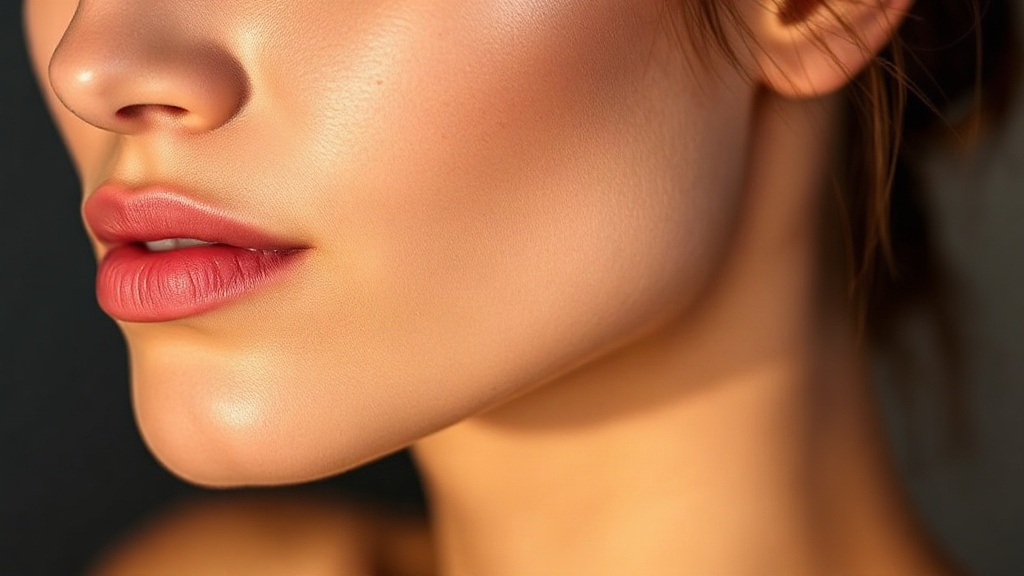
The quest for healthy and radiant skin has led many individuals to explore various supplements and natural remedies. Among these, one particular compound has garnered significant attention: a potent antioxidant known for its remarkable properties in enhancing the appearance and condition of the skin. This compound not only plays a vital role in overall health but also has specific benefits related to skin pigmentation and tone. The discussion surrounding this antioxidant often highlights its potential to improve skin tone and provide protection against environmental stressors.
In the realm of skincare, antioxidants are essential, as they help combat oxidative stress caused by free radicals. These free radicals can result from sun exposure, pollution, and even stress, leading to premature aging and uneven skin tone. The incorporation of this antioxidant into one’s daily regimen can contribute to a healthier complexion, potentially resulting in a more vibrant and youthful appearance. Understanding how this compound works and its benefits can empower individuals to make informed choices about their skincare routines.
As we delve deeper into the specifics of this remarkable antioxidant, it becomes clear that its applications extend beyond mere cosmetic enhancement. Research indicates that it may have additional health benefits, such as supporting cardiovascular health and enhancing athletic performance. This multifaceted nature makes it a unique addition to both dietary and skincare products, appealing to a broad audience looking for holistic wellness solutions. The intersection between this antioxidant and skin tone improvement is an exciting area of exploration for both consumers and researchers alike.
Understanding Antioxidants and Their Role in Skin Health
Antioxidants are substances that help neutralize free radicals in the body, which can cause cellular damage and contribute to various health issues, including skin aging. This particular antioxidant is one of the most potent antioxidants, exhibiting a remarkable ability to combat oxidative stress. By protecting skin cells from damage, it plays a crucial role in maintaining skin integrity and appearance. Regular consumption can lead to improved skin texture and tone, making it a favored ingredient in many skincare formulations.
The skin is the body’s largest organ and acts as a protective barrier against environmental aggressors. However, exposure to UV rays, pollution, and other harmful elements can disrupt its natural balance. This antioxidant aids in restoring that balance by enhancing the skin’s natural defenses. Studies have shown that it can help reduce the appearance of fine lines and wrinkles, as well as improve skin hydration levels. Incorporating products containing this antioxidant can be a proactive way to support skin health.
Furthermore, the benefits of this antioxidant extend beyond appearance. It is believed to have anti-inflammatory properties, which can be beneficial for those with skin conditions such as eczema or psoriasis. By reducing inflammation, it helps alleviate discomfort and promotes a more even skin tone. This makes it not only a cosmetic enhancer but also a supportive agent for skin health, addressing both aesthetic and medical concerns.
The protective qualities of this antioxidant make it a vital ingredient for anyone seeking to improve their skin health and appearance.
Benefits of Including This Antioxidant in Your Skincare Routine
Incorporating this antioxidant into your skincare routine can lead to numerous benefits. One of the primary advantages is its ability to enhance skin tone. By promoting a more balanced pigmentation, it can help reduce the appearance of dark spots and uneven skin tones. This is particularly beneficial for individuals looking to achieve a glowing complexion without harsh chemicals or invasive treatments. The natural approach of utilizing this antioxidant can be both effective and gentle on the skin.
Furthermore, it has been shown to improve skin elasticity, which is essential for maintaining a youthful appearance. As we age, our skin loses its firmness and resilience, leading to sagging and fine lines. The application of this antioxidant can stimulate collagen production, a key protein responsible for skin structure. By supporting collagen synthesis, it not only enhances the skin’s firmness but also contributes to a smoother, more youthful look.
Another significant benefit is its hydrating properties. Many people suffer from dry skin, which can appear dull and lifeless. This antioxidant aids in retaining moisture within the skin, leading to a plump and hydrated appearance. When the skin is adequately hydrated, it reflects light better, which can enhance overall skin tone. Regular use of products enriched with this antioxidant can transform dry, lackluster skin into a radiant and vibrant canvas.
How to Incorporate This Antioxidant into Your Daily Routine
Integrating this antioxidant into your daily skincare routine can be straightforward and rewarding. One effective method is to seek out serums or creams that are specifically formulated with this compound. These products typically contain concentrated amounts, allowing for maximum benefits. Applying these products after cleansing and before moisturizing can help ensure that the antioxidant penetrates deeply into the skin, delivering its protective and enhancing effects.
Additionally, supplements containing this antioxidant can be an excellent way to support skin health from within. By consuming it orally, you can provide your body with the necessary nutrients to combat oxidative stress and promote overall wellness. Many people report improvements in their skin tone and texture after consistent use of such supplements. However, it’s essential to consult with a healthcare professional before adding any new supplement to your regimen to ensure it aligns with your health goals.
Lastly, maintaining a balanced diet rich in fruits and vegetables can enhance the effects of this antioxidant. Foods high in antioxidants, such as berries, leafy greens, and nuts, can complement the topical applications and supplements. This holistic approach can maximize the benefits, leading to a truly vibrant and healthy complexion.
Combining topical applications with a healthy diet and supplementation can significantly enhance the overall benefits of this antioxidant for your skin.
Scientific Research Supporting Its Efficacy
Numerous studies have been conducted to explore the effects of this antioxidant on skin health. Research indicates that it plays a significant role in protecting skin cells from UV damage, which can lead to premature aging and skin cancers. In clinical trials, participants who used products containing this antioxidant showed a marked improvement in skin elasticity and hydration levels compared to those who did not. These findings underscore the importance of incorporating such beneficial ingredients into skincare routines.
Moreover, studies have highlighted its anti-inflammatory properties, which can be particularly beneficial for individuals with sensitive or reactive skin. By reducing inflammation, it can help calm irritated skin conditions, leading to a more even skin tone and texture. The evidence supporting these benefits is compelling, making a strong case for the inclusion of this antioxidant in both topical and dietary forms.
As research continues, the potential applications of this antioxidant seem boundless. Its versatility in improving skin tone, texture, and overall health positions it as a standout ingredient in the skincare industry. With ongoing studies aiming to uncover more about its benefits, consumers can look forward to even more innovative products that harness the power of this remarkable compound.
Pros and Cons
- Pros:
- Enhances skin tone by reducing dark spots and uneven pigmentation, resulting in a more radiant complexion.
- Improves skin elasticity, promoting a youthful appearance by stimulating collagen production.
- Provides hydration to the skin, helping combat dryness and maintaining a plump look.
- Offers anti-inflammatory benefits, making it suitable for sensitive skin types.
- Cons:
- Some individuals may experience allergic reactions or sensitivity to topical products containing this antioxidant.
- High doses taken as supplements may lead to side effects, including gastrointestinal discomfort.
- Results may vary from person to person, and not everyone will experience significant improvements.
Balancing the pros and cons is essential when considering the use of this antioxidant in skincare and dietary routines. While the benefits are substantial, it is crucial to be mindful of potential sensitivities and to consult with healthcare professionals if unsure about its use. Overall, the antioxidant offers a natural approach to enhancing skin health and improving appearance.
Frequently Asked Questions
- What is the main benefit of using this antioxidant for skin?
This antioxidant primarily enhances skin tone and texture by combating oxidative stress and reducing the appearance of dark spots. Its ability to improve hydration and elasticity also contributes to a more youthful and vibrant complexion.
- How can I include this antioxidant in my skincare routine?
Incorporate serums or creams containing this antioxidant after cleansing and before moisturizing. Additionally, consider taking supplements to support skin health from within, ensuring you consult with a healthcare professional for guidance.
- Are there any side effects associated with this antioxidant?
While generally safe for most individuals, some may experience localized reactions or sensitivities to topical products. Oral supplements may cause gastrointestinal discomfort in high doses, highlighting the importance of moderation.
- Can this antioxidant help with specific skin conditions?
Yes, its anti-inflammatory properties can benefit individuals with conditions such as eczema or psoriasis by reducing irritation and promoting a more even skin tone. Always consult a dermatologist for tailored advice on treatment.
- Is it suitable for all skin types?
This antioxidant is generally well-tolerated by various skin types, including sensitive skin. However, it is advisable to perform a patch test before extensive use to ensure no adverse reactions occur.
Conclusion
The exploration of this antioxidant reveals its multifaceted benefits for skin health, particularly in enhancing skin tone and texture. With its powerful protective qualities against oxidative stress, this compound empowers individuals to achieve a more radiant and youthful appearance naturally. By incorporating both topical applications and dietary supplements, one can maximize the advantages of this antioxidant, leading to significant improvements in skin health. As research continues to unveil new insights into its efficacy, it remains a promising ingredient in both skincare and holistic health pursuits. Embracing this powerful antioxidant could be the key to unlocking the potential for healthier, more vibrant skin.
