
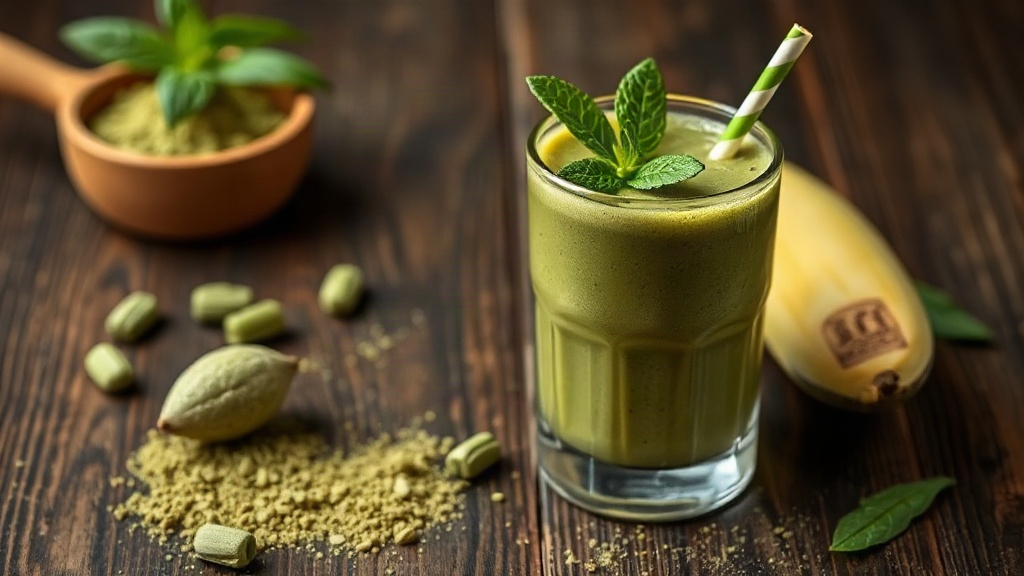
In recent years, the popularity of matcha green tea boba has surged, captivating the taste buds of many around the globe. This delightful drink combines the rich flavors of matcha with the chewy texture of tapioca pearls, creating a unique beverage that is both refreshing and energizing. Matcha, a finely ground powder made from specially grown green tea leaves, offers numerous health benefits, making it a favorite among health-conscious consumers. With its vibrant green color and distinct taste, this drink has become a staple in many bubble tea shops.
This beverage not only satisfies thirst but also provides an antioxidant boost due to the presence of matcha. Its creamy texture and sweet flavor, combined with the chewy boba pearls, make it an irresistible treat. As more people seek out healthier alternatives to sugary drinks, the demand for matcha green tea boba continues to grow. With each sip, one can enjoy the unique experience of flavors and textures, making it a perfect choice for tea enthusiasts and casual drinkers alike.
Matcha green tea boba is also versatile, allowing for various customizations. From adjusting the sweetness levels to experimenting with toppings, each individual can create a drink that suits their personal preferences. This adaptability, along with its health benefits, has solidified its place in the beverage market. As we delve deeper into this topic, we will explore its origins, health advantages, preparation methods, and some frequently asked questions surrounding this delightful concoction.
Understanding the Origins of Matcha and Boba
To fully appreciate matcha green tea boba, it is essential to understand the origins of its two primary components: matcha and boba. Matcha has its roots in Japan, where it has been consumed for centuries. It is made from shade-grown tea leaves that are carefully harvested, steamed, and then ground into a fine powder. This traditional method of preparation preserves the nutrients and vibrant green color, making matcha a powerhouse of antioxidants and amino acids.
Boba, on the other hand, originated in Taiwan during the 1980s. The chewy tapioca pearls are made from tapioca starch and are often sweetened to enhance their flavor. This combination of chewy pearls with sweetened tea quickly gained popularity and evolved into the bubble tea phenomenon we see today. When these two elements are combined, they create a refreshing drink that is not only delicious but also rich in history.
Furthermore, the cultural significance of matcha in Japan extends beyond just its consumption; it is an integral part of the traditional Japanese tea ceremony. This ceremony emphasizes harmony, respect, purity, and tranquility, which resonates with the mindfulness that matcha drinking embodies. As the global interest in matcha grows, so does the appreciation for the art of tea preparation, making drinks like matcha green tea boba a fusion of culture and culinary delight.
The unique blend of matcha and boba reflects a harmonious balance of tradition and innovation in modern beverage culture.
Health Benefits of Matcha Green Tea Boba
One of the standout features of matcha green tea boba is its health benefits. Matcha is renowned for its high antioxidant content, particularly catechins, which are known to help reduce inflammation and support overall health. Consuming matcha regularly can lead to improved metabolism, enhanced fat burning, and even better exercise performance. These benefits make it an excellent choice for those looking to lead a healthier lifestyle.
In addition to antioxidants, matcha contains L-theanine, an amino acid that promotes relaxation without drowsiness. This means that when you enjoy a refreshing drink of matcha green tea boba, you also benefit from increased focus and concentration. The combination of caffeine from matcha and the calming effects of L-theanine creates a balanced energy boost that many drinkers appreciate.
Moreover, the tapioca pearls add a unique texture and can be a source of carbohydrates, providing a quick energy source. While they are often sweetened, moderation is key to maintaining a balanced diet. This drink, when consumed mindfully, can be a delightful addition to your nutrition plan, combining pleasure with health benefits.
How to Make Matcha Green Tea Boba at Home
Making matcha green tea boba at home can be a fun and rewarding experience. To begin, you will need high-quality matcha powder, tapioca pearls, milk or a milk alternative, and sweeteners according to your preference. Start by boiling water and cooking the tapioca pearls according to the package instructions. Typically, they take around 5-10 minutes to achieve the perfect chewy texture.
While the pearls are cooking, prepare the matcha. Whisk a teaspoon of matcha powder with hot water in a bowl until it becomes smooth and frothy. For added sweetness, you can mix in honey or sugar to the matcha. Once the pearls are ready, drain them and rinse with cold water to stop the cooking process.
To assemble your drink, place the cooked tapioca pearls at the bottom of a glass, pour in the sweetened matcha, and top it off with milk or your preferred dairy alternative. Stir well and enjoy! This homemade version allows for creativity, so feel free to adjust the levels of sweetness and creaminess to suit your taste.
Creating matcha green tea boba at home offers a unique opportunity to customize flavors and ingredients, ensuring a personalized experience.
Popular Variations and Customizations
As the popularity of matcha green tea boba continues to rise, many variations and customizations have emerged to cater to different tastes. One popular option is the addition of fruit purees, such as mango, strawberry, or passionfruit, which can enhance the flavor profile and provide a refreshing twist. This fruity addition not only makes the drink visually appealing but also adds natural sweetness and nutrients.
Another common customization is adjusting the milk type used in the drink. While traditional matcha boba often employs regular milk, alternatives like almond, oat, or coconut milk are becoming increasingly popular. These alternatives can cater to lactose-intolerant individuals or those following vegan diets, making the drink accessible to a broader audience.
Additionally, some enthusiasts enjoy experimenting with the sweetness level, opting for less sugar or using natural sweeteners like agave or stevia. This customization allows individuals to tailor their drink to their dietary needs and preferences, ensuring that everyone can enjoy this delightful beverage without compromising on taste.
Pros and Cons
- Pros:
- Rich in antioxidants: Matcha is loaded with powerful antioxidants that can help combat oxidative stress and inflammation.
- Energy boost: The combination of caffeine and L-theanine in matcha provides a balanced energy lift without jitters.
- Customizable: The drink can be tailored to individual tastes with various flavors, sweetness levels, and milk alternatives.
- Deliciously unique: The combination of matcha and chewy boba offers a one-of-a-kind taste and texture experience.
- Cons:
- Caloric content: Depending on the sweetness and milk used, the drink can be high in calories if consumed excessively.
- Caffeine sensitivity: Those sensitive to caffeine may experience jitters or anxiety from consuming matcha.
- Not suitable for everyone: Some individuals may not enjoy the taste of matcha or may be allergic to tapioca.
When weighing the pros and cons of matcha green tea boba, it is clear that this beverage offers numerous health benefits and customization options. However, moderation is essential to ensure that it remains a healthy choice. By understanding both the advantages and potential drawbacks, consumers can make informed decisions about incorporating this drink into their lifestyle.
Frequently Asked Questions
- What is matcha green tea boba?
This delightful drink is a combination of matcha green tea, which is a powdered form of green tea, and chewy tapioca pearls. It provides a unique flavor and texture experience, making it popular among bubble tea enthusiasts.
- Is matcha green tea boba healthy?
Matcha green tea boba can be a healthy option when consumed in moderation. It is rich in antioxidants and offers various health benefits, but the added sugars and calories from sweeteners and milk should be considered.
- Can I make matcha green tea boba vegan?
Yes, you can easily make a vegan version by using plant-based milk alternatives such as almond, soy, or oat milk, ensuring that all ingredients align with vegan dietary preferences.
- How do I store leftover matcha green tea boba?
Leftover matcha can be stored in the refrigerator for up to 24 hours. However, it is best to consume the boba pearls fresh, as they can become hard or lose their texture if stored for too long.
- What are some popular variations of matcha green tea boba?
Popular variations include adding fruit purees, adjusting sweetness levels, or trying different types of milk. These customizations allow for a personalized beverage experience that caters to individual tastes.
Conclusion
In conclusion, matcha green tea boba represents a delightful fusion of tradition and modern beverage culture. With its origins rooted in Japanese tea practices and Taiwanese bubble tea innovation, this drink has captured the hearts and taste buds of many. The numerous health benefits associated with matcha, combined with the customizable nature of boba, make it a popular choice for those seeking a refreshing and energizing drink. Whether enjoyed in a café or crafted at home, matcha green tea boba offers a unique sensory experience that appeals to both tea enthusiasts and casual drinkers alike. As its popularity continues to grow, so does the opportunity for innovation and exploration within this vibrant beverage category.
