
In the vast landscape of dietary supplements, one ingredient has garnered significant attention: niacinamide. This compound, a form of vitamin B3, is often discussed in relation to its potential benefits for cellular health, particularly in increasing levels of NAD+ (nicotinamide adenine dinucleotide). Understanding whether niacinamide can effectively boost NAD+ levels is crucial for those looking to enhance their energy metabolism and support healthy aging. For those interested in exploring this further, they might find valuable insights and offers, such as GET UP TO 20% OFF! on advanced formulations.
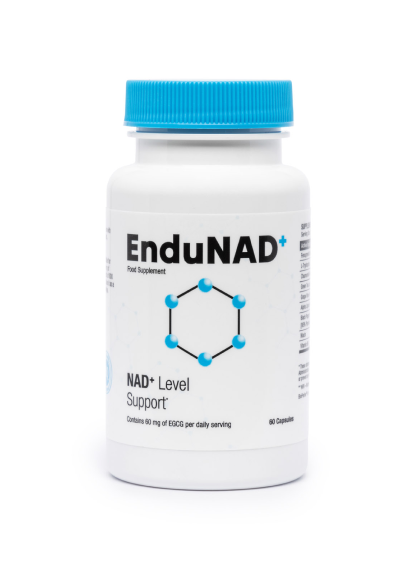
As science continues to unravel the complexities of cellular metabolism, the role of NAD+ becomes increasingly clear. This coenzyme is critical for energy production within cells, influencing processes that govern aging, cellular repair, and overall vitality. The relationship between niacinamide and NAD+ is particularly intriguing, prompting many to explore whether supplementing with niacinamide can lead to increased NAD+ levels and, consequently, enhanced health outcomes. This article will delve into the mechanisms of action, benefits, and the broader implications of niacinamide on NAD+ metabolism, while also introducing a relevant product: EnduNAD.
Before diving into specifics, it’s essential to establish a foundational understanding of NAD+, its importance in cellular function, and how niacinamide fits into this picture. The body has several pathways for synthesizing NAD+, with niacinamide being an important precursor. This article aims to clarify the nuances of this relationship and provide actionable insights for those interested in optimizing their health through nutritional support.
Understanding NAD+ and Its Importance
NAD+ stands for nicotinamide adenine dinucleotide, a vital coenzyme found in every living cell. It plays a crucial role in various metabolic processes, primarily in energy production. Cells utilize NAD+ to facilitate redox reactions, which are essential for converting nutrients into energy. Without sufficient NAD+, cellular energy production can falter, leading to fatigue and impaired cellular functions.
Moreover, NAD+ is pivotal in maintaining mitochondrial function, which is the powerhouse of the cell. As individuals age, NAD+ levels naturally decline, contributing to decreased energy levels and efficiency in cellular processes. This decline has sparked interest in finding ways to boost NAD+ levels, with niacinamide emerging as a popular option. By understanding how NAD+ functions, one can appreciate the potential benefits of niacinamide supplementation in supporting cellular health.
Research indicates that NAD+ is not only essential for energy metabolism but also plays a significant role in cellular maintenance and repair. It is involved in DNA repair mechanisms and cellular signaling pathways that respond to stress. This multifaceted role of NAD+ has led to increased interest in how dietary supplements, particularly those containing niacinamide, may influence its levels and, by extension, overall health.
NAD+ is crucial for energy production and cellular health, influencing everything from metabolism to DNA repair.
The Role of Niacinamide in NAD+ Metabolism
Niacinamide, or nicotinamide, is a precursor to NAD+ and plays a vital role in its synthesis. When ingested, niacinamide undergoes conversion into NAD+ through a series of biochemical reactions. This conversion is essential as it helps replenish NAD+ levels in the body, especially important during periods of high energy demand or stress.
Supplementation with niacinamide has shown promise in enhancing NAD+ biosynthesis. Studies suggest that increased niacinamide intake can lead to higher NAD+ levels, which may help mitigate some age-related declines in energy metabolism. Furthermore, niacinamide’s role extends beyond mere NAD+ replenishment; it also supports sirtuins, a family of proteins that regulate cellular health and longevity. This connection between niacinamide and sirtuins highlights its potential as a valuable supplement for those interested in healthy aging.
Incorporating niacinamide into one’s diet or supplement regimen can be a strategic approach to support NAD+ levels. However, it is essential to consider the overall dietary context and other lifestyle factors that influence NAD+ metabolism.
Factors Influencing NAD+ Levels
While niacinamide is an effective precursor for NAD+, several other factors contribute to overall NAD+ levels in the body. Diet plays a significant role; for instance, foods rich in tryptophan, such as turkey and dairy products, can lead to increased NAD+ production. Additionally, regular physical activity is known to stimulate NAD+ synthesis and promote mitochondrial health.
Moreover, certain lifestyle choices, such as adequate sleep and stress management, can positively influence NAD+ levels. Chronic stress and poor sleep can lead to decreased NAD+ synthesis, highlighting the importance of a holistic approach to health. By combining dietary strategies, physical activity, and proper recovery, individuals can enhance their NAD+ levels effectively.
Diet, exercise, and lifestyle choices significantly impact the body’s NAD+ levels, making a holistic approach essential.
Benefits of Niacinamide Supplementation
Supplementing with niacinamide offers several potential benefits, particularly concerning NAD+ metabolism and energy production. One of the most notable advantages is its potential to enhance energy levels. By increasing NAD+, niacinamide may help improve overall energy metabolism, leading to reduced feelings of fatigue and increased vitality.
Another significant benefit is its role in supporting healthy aging. Research indicates that maintaining adequate NAD+ levels can promote cellular health and resilience, potentially mitigating age-related declines in function. Niacinamide supplementation may also enhance cognitive function and mood, owing to its influence on neurotransmitter synthesis and cellular signaling pathways.
Additionally, niacinamide is recognized for its antioxidant properties, helping to combat oxidative stress. This is crucial as oxidative stress is linked to various chronic diseases and accelerated aging. By incorporating niacinamide into one’s routine, individuals can support their overall health and well-being.
How EnduNAD Supports NAD+ Levels
EnduNAD is a premium dietary supplement designed to enhance NAD+ metabolism through a carefully selected combination of ingredients. It includes niacinamide, which plays a pivotal role in boosting NAD+ levels, along with other nutrients that support energy production and cellular health. The formulation is crafted to cater to individuals interested in maintaining their vitality and understanding the complexities of NAD+ metabolism.
By incorporating ingredients like L-Tryptophan and alpha-lipoic acid, EnduNAD offers a multi-faceted approach to enhancing energy metabolism and supporting healthy aging. Furthermore, its vegan-friendly formulation ensures that it is accessible to a broad audience. Users can benefit from a blend that not only replenishes NAD+ levels but also promotes overall cellular health.
Frequently Asked Questions
- What is the primary function of NAD+?
NAD+ is essential for energy production, facilitating metabolic reactions that convert nutrients into usable energy. It also plays a crucial role in maintaining DNA integrity and cellular signaling.
- How does niacinamide help in increasing NAD+ levels?
Niacinamide serves as a direct precursor to NAD+, which means it is converted into NAD+ within the body. This supplementation can replenish NAD+ levels, particularly during times of increased demand.
- Are there any side effects associated with niacinamide supplementation?
Generally, niacinamide is well-tolerated. However, high doses may cause gastrointestinal issues or skin flushing in some individuals. It is advisable to consult with a healthcare provider before starting any new supplement.
- Can lifestyle changes impact NAD+ levels?
Yes, lifestyle factors such as diet, exercise, and stress management play a significant role in influencing NAD+ levels. A holistic approach combining these elements can enhance NAD+ synthesis effectively.
- How often should one take niacinamide supplements?
Dosage recommendations can vary, but a common suggestion is to follow the instructions provided on the supplement label or as advised by a healthcare professional. Consistency is key for optimal results.
Conclusion
In summary, the relationship between niacinamide and NAD+ metabolism is an intriguing area of study, with significant implications for energy production and healthy aging. By acting as a precursor to NAD+, niacinamide may help enhance cellular energy levels, support mitochondrial function, and promote overall cellular health. Incorporating this nutrient through dietary sources or supplements like EnduNAD can be a strategic approach for those looking to optimize their health and vitality. As science continues to explore this connection, individuals can take proactive steps to support their well-being through informed dietary choices and supplementation.
