
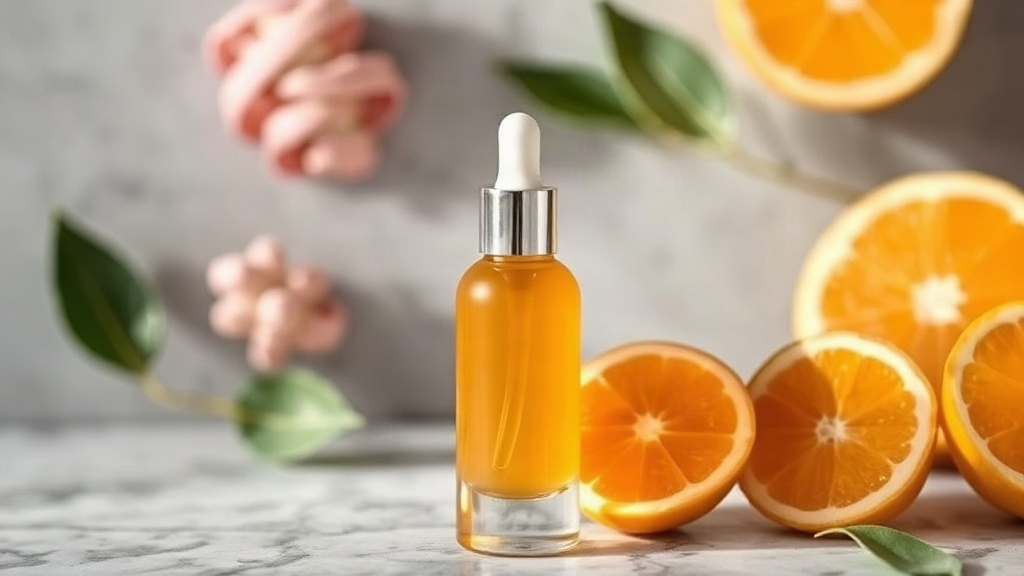
The pursuit of radiant and youthful skin has led many to explore various skincare products, and among them, vitamin C serums have gained immense popularity. This powerful antioxidant is not only known for its skin-brightening properties but also for its ability to improve skin texture and reduce signs of aging. With a multitude of options available in the market, understanding the benefits and application of vitamin C serum can transform your skincare routine significantly.
Vitamin C, or ascorbic acid, is a naturally occurring vitamin that serves as a crucial building block for collagen synthesis. Collagen is essential for maintaining skin elasticity and firmness, which diminishes as we age. The incorporation of vitamin C serum into daily skincare regimens has shown to enhance the overall appearance of the skin, providing a brighter, more even complexion. This article will delve into the various aspects of vitamin C serums, including their benefits, usage, and how they can help achieve a more luminous skin tone.
As we explore the world of vitamin C serums, it’s essential to understand the different formulations available and how they can cater to various skin types and concerns. Factors such as concentration, formulation type, and additional ingredients can impact the effectiveness of the serum. Through this guide, readers will gain comprehensive insights into selecting the right vitamin C serum for their skin, maximizing its benefits, and seamlessly integrating it into their skincare routine.
Understanding the Benefits of Vitamin C Serum
The benefits of incorporating vitamin C serum into your skincare routine are numerous and well-documented. One of the primary advantages is its ability to brighten the skin. Regular use of vitamin C serum can lead to a noticeable improvement in skin tone by reducing the appearance of dark spots and pigmentation. This brightening effect is attributed to vitamin C’s role in inhibiting melanin production, which can help in achieving a more uniform complexion.
In addition to its brightening properties, vitamin C serum is revered for its antioxidant benefits. Antioxidants are vital in protecting the skin from environmental stressors such as pollution and UV exposure, which can accelerate skin aging. By neutralizing free radicals, vitamin C helps to prevent oxidative damage, thereby promoting healthier skin. This protective aspect makes vitamin C an essential ingredient in skincare products aimed at combating signs of aging.
Moreover, vitamin C plays a crucial role in collagen synthesis. Collagen is a protein that provides structure to the skin, and its production decreases with age. By stimulating collagen production, vitamin C serums can help improve skin texture, making it appear firmer and more youthful. This property is particularly beneficial for individuals looking to reduce fine lines and wrinkles, providing a natural alternative to invasive procedures.
Research indicates that using vitamin C can significantly enhance skin hydration and overall texture, leading to a more youthful appearance.
How to Choose the Right Vitamin C Serum
Selecting the right vitamin C serum can be a daunting task due to the wide array of products available. One of the first factors to consider is the concentration of vitamin C in the serum. Typically, serums contain concentrations ranging from 5% to 20%. For sensitive skin, starting with a lower concentration is advisable to avoid irritation. As your skin becomes accustomed to the product, you can gradually increase the concentration for enhanced benefits.
The formulation type is also crucial. Vitamin C serums come in various forms, including ascorbic acid, sodium ascorbyl phosphate, and magnesium ascorbyl phosphate. Ascorbic acid is the most potent form but can be unstable when exposed to light and air. Products that feature stabilized forms or those packaged in opaque, airtight containers can help maintain efficacy. It’s essential to look for serums that offer protection from oxidation to ensure that the vitamin C remains effective.
Additionally, consider serums that include complementary ingredients. Many vitamin C serums are formulated with other beneficial compounds such as vitamin E and ferulic acid, which not only enhance the efficacy of vitamin C but also provide additional antioxidant benefits. These combinations can boost the overall protective effects against environmental damage, making the serum even more beneficial for your skin.
Choosing a vitamin C serum with a combination of antioxidants can significantly amplify the protective effects against skin aging.
Incorporating Vitamin C Serum into Your Skincare Routine
<pIntegrating vitamin C serum into your daily skincare routine can be straightforward and effective. The best time to apply vitamin C serum is typically in the morning, as it can provide a protective barrier against daily environmental stressors. Begin by cleansing your face thoroughly, followed by applying a toner, if you use one. Once your skin is clean and dry, apply a few drops of vitamin C serum to your fingertips and gently massage it into your skin.
After allowing the serum to absorb for a minute or two, follow up with a moisturizer to lock in hydration. A broad-spectrum sunscreen is essential when using vitamin C, as it can increase your skin’s sensitivity to the sun. Applying sunscreen daily helps protect against UV rays and prevents further pigmentation and damage. For those with sensitive skin, it may be beneficial to gradually introduce the serum into your routine, using it every other day until your skin adjusts.
Consistency is key when using vitamin C serum. It may take several weeks of regular use to notice significant improvements in skin tone and texture. Tracking your progress through before-and-after photos can be motivating and provide a tangible way to see the benefits of the serum. Remember that results vary based on individual skin types and concerns, so patience is essential.
Potential Side Effects and Considerations
While vitamin C serums offer numerous benefits, it’s essential to be aware of potential side effects. Some individuals may experience irritation, particularly if they have sensitive skin or are using a high concentration of vitamin C for the first time. Symptoms may include redness, stinging, or peeling. To minimize these effects, start with a lower concentration and gradually increase usage as your skin adapts.
Moreover, the formulation can impact how your skin reacts to vitamin C. Products containing additional acids, such as alpha hydroxy acids (AHAs) or beta hydroxy acids (BHAs), may increase sensitivity when used in conjunction with vitamin C. It is advisable to avoid applying these products simultaneously and instead alternate their usage to reduce the risk of irritation.
Storing your vitamin C serum correctly is also vital for maintaining its efficacy. Exposure to light and air can lead to the oxidation of vitamin C, rendering it ineffective. Always store the serum in a cool, dark place, and ensure the cap is tightly sealed after use. If the serum changes color or develops a strange odor, it may be time to discard it and purchase a new bottle.
Pros and Cons
- Pros:
- Brightening Effect: Vitamin C serums can effectively reduce dark spots and promote an even skin tone.
- Antioxidant Protection: They help protect against environmental damage from pollution and UV rays.
- Improved Texture: Regular use stimulates collagen production, enhancing skin firmness and texture.
- Hydration Benefits: Many formulations also include hydrating ingredients, improving overall skin moisture levels.
- Cons:
- Irritation Potential: High concentrations may cause irritation, especially for sensitive skin types.
- Stability Issues: Vitamin C can oxidize quickly, making proper storage essential for maintaining efficacy.
- Compatibility Concerns: Some formulations may not be suitable for use with certain other skincare products.
While there are numerous benefits to using vitamin C serum, potential drawbacks must be considered. Weighing these pros and cons can help you make an informed decision about incorporating vitamin C serum into your skincare routine. For most individuals, the advantages of brighter, healthier skin often outweigh the potential downsides, especially when precautions are taken.
Frequently Asked Questions
- What is the best way to apply vitamin C serum?
The best way to apply vitamin C serum is to cleanse your face, apply a few drops of the serum to your fingertips, and gently massage it into the skin. Follow up with moisturizer and sunscreen for maximum benefits.
- Can I use vitamin C serum every day?
Yes, vitamin C serum can typically be used daily. However, if you have sensitive skin, start with every other day and gradually increase usage to avoid irritation.
- How long does it take to see results from vitamin C serum?
Results from vitamin C serum can vary, but most users may start to notice improvements in skin tone and texture within 4 to 12 weeks of consistent use.
- Can I use vitamin C serum with other active ingredients?
While vitamin C can be combined with some active ingredients, it is best to avoid using it with strong acids like AHAs or BHAs at the same time to prevent irritation. Consider using them at different times of the day.
- Is vitamin C serum suitable for all skin types?
Vitamin C serum is generally suitable for all skin types. However, those with sensitive skin should start with a lower concentration and monitor for any adverse reactions.
Conclusion
In conclusion, incorporating vitamin C serum into your skincare routine can significantly enhance your skin’s brightness and overall health. With its multitude of benefits, including antioxidant protection, collagen stimulation, and skin brightening, vitamin C serums are a valuable addition for anyone seeking to improve their complexion. When choosing a serum, consider factors such as concentration, formulation, and additional beneficial ingredients to select the most suitable product for your skin type. By understanding how to effectively use vitamin C serum and being aware of potential side effects, you can maximize its benefits for healthier, more radiant skin. Remember, consistency and proper care are key to achieving long-lasting results.
