
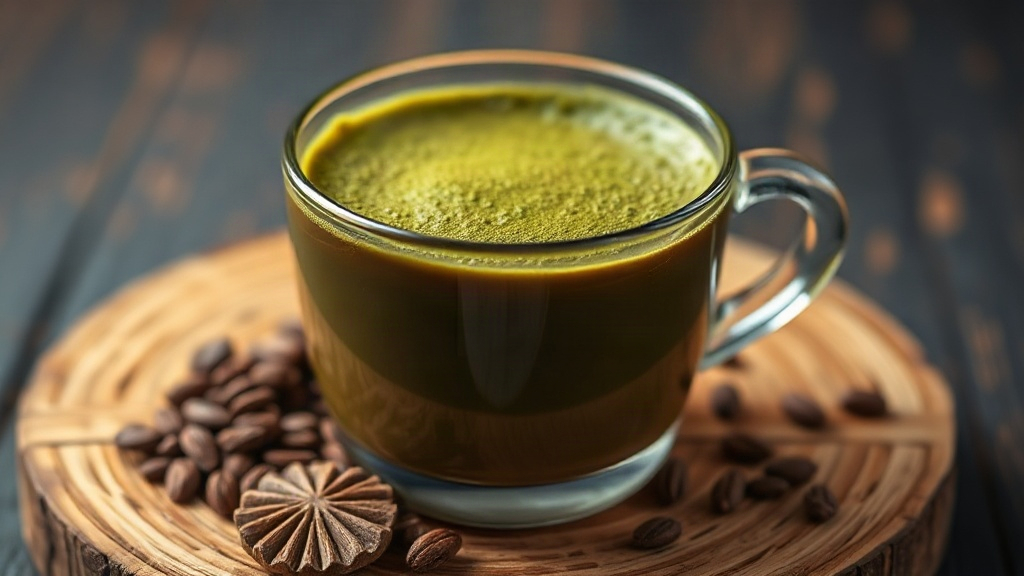
Matcha tea has gained significant popularity in recent years, not just as a flavorful beverage but also as a health elixir that many swear by. People are increasingly curious about its health benefits, particularly regarding its caffeine content. This interest is fueled by the need for alternatives to coffee, and matcha seems to be a strong contender. The vibrant green powder, derived from finely ground green tea leaves, is often touted for its numerous health benefits, including high antioxidant levels and potential weight loss properties.
One of the most common questions surrounding matcha is its caffeine content. Understanding how much caffeine is present in matcha tea can help consumers make informed choices, especially for those sensitive to caffeine or looking to manage their intake. Caffeine affects everyone differently, and finding a suitable balance is crucial for maintaining overall well-being. By exploring the caffeine content in matcha, we can better appreciate its unique characteristics and how it compares to other popular caffeinated beverages.
In addition to caffeine levels, it is essential to consider the overall impact of matcha on health. Unlike traditional tea or coffee, matcha involves consuming the whole leaf in powdered form, which means that drinkers may experience various health benefits beyond just caffeine stimulation. This article delves into the caffeine content of matcha, how it compares to other caffeinated drinks, and the various health implications of its consumption.
Understanding Caffeine in Matcha
Matcha tea contains caffeine, but the amount can vary depending on several factors, including the grade of matcha and the preparation method. Typically, a serving of matcha (about 1 gram of powder) contains approximately 70 milligrams of caffeine. This is significantly less than a standard cup of coffee, which can contain between 95 and 200 milligrams of caffeine. However, the caffeine in matcha is released into the bloodstream more slowly, thanks to the presence of other compounds that help modulate its effects.
The slower release of caffeine in matcha can lead to a more sustained energy boost without the jitters or crashes often associated with coffee consumption. This unique characteristic makes matcha an appealing choice for those seeking a calm yet alert state of mind. In addition to caffeine, matcha is rich in L-theanine, an amino acid that promotes relaxation and focus. The combination of caffeine and L-theanine creates a balanced energy boost that many find beneficial for productivity and mental clarity.
Matcha’s unique combination of caffeine and L-theanine results in a smoother, more sustained energy boost compared to other caffeinated beverages.
When comparing matcha to other teas, it is important to note that traditional brewed green tea generally contains less caffeine than matcha. A typical cup of brewed green tea has about 30 to 50 milligrams of caffeine, depending on the brewing time and temperature. This means that matcha can provide a more concentrated source of caffeine, making it an excellent choice for those looking to increase their intake without resorting to coffee.
Health Benefits of Matcha Beyond Caffeine
While understanding the caffeine content is important, matcha tea offers numerous health benefits that extend beyond its stimulating properties. One of the most notable benefits is its high antioxidant content, particularly catechins, which are known for their disease-fighting properties. These antioxidants can help combat oxidative stress in the body, potentially reducing the risk of chronic diseases such as heart disease and cancer.
In addition to antioxidants, matcha has been linked to improved metabolism and fat oxidation. Some studies suggest that consuming matcha can enhance the body’s ability to burn fat, making it a popular choice for those looking to lose weight or maintain a healthy weight. The presence of catechins in matcha has been shown to boost metabolism by 4 to 6%, which can contribute to weight management efforts when combined with a balanced diet and regular exercise.
Moreover, matcha has been associated with improved mental clarity and concentration due to its unique combination of caffeine and L-theanine. This makes it an excellent choice for students, professionals, or anyone needing to focus on tasks requiring sustained attention. The calming effects of L-theanine can counterbalance the stimulating effects of caffeine, allowing for a more productive and enjoyable experience.
The high levels of antioxidants found in matcha help combat oxidative stress, potentially reducing the risk of chronic diseases.
How to Prepare and Enjoy Matcha
Preparing matcha may seem daunting at first, but it is quite simple and can be done in various ways. The traditional method involves whisking matcha powder with hot water using a bamboo whisk known as a chasen. This method creates a frothy, vibrant green drink that is both visually appealing and delicious. To ensure the best flavor and texture, it is essential to use high-quality matcha powder and the right water temperature; water that is too hot can lead to a bitter taste.
For those new to matcha, starting with a simple matcha latte is a great way to enjoy its rich flavor. By mixing matcha powder with steamed milk or a dairy-free alternative, you can create a creamy and satisfying beverage. Sweeteners such as honey or maple syrup can be added to taste, making it a delightful treat that balances the earthy notes of matcha.
Matcha can also be incorporated into various recipes, such as smoothies, baked goods, and even savory dishes. This versatility allows you to enjoy matcha in different forms while still reaping its health benefits. Experimenting with matcha can open up a world of culinary possibilities, making it an exciting addition to your kitchen.
Pros and Cons of Matcha Consumption
- Pros:
- High in antioxidants, which can help protect the body from oxidative stress and chronic diseases.
- Provides a balanced energy boost due to its unique combination of caffeine and L-theanine, leading to improved focus and concentration.
- May aid in weight loss by boosting metabolism and promoting fat oxidation.
- Versatile ingredient that can be added to various recipes, enhancing both flavor and nutritional value.
- Cons:
- Can be more expensive than traditional tea or coffee, particularly high-quality matcha powder.
- Overconsumption may lead to excessive caffeine intake, which can cause side effects such as insomnia, anxiety, or digestive issues.
- Some individuals may be sensitive to caffeine and should consume matcha in moderation.
In weighing the pros and cons of matcha, it is clear that this green tea powder offers significant health benefits, particularly through its antioxidant content and unique caffeine profile. However, it is important to consume matcha responsibly, especially for those sensitive to caffeine. Finding the right balance will allow you to enjoy the advantages of matcha while minimizing any potential drawbacks.
Frequently Asked Questions
- How much caffeine is in matcha compared to coffee?
Matcha typically contains about 70 milligrams of caffeine per gram of powder, while coffee can range from 95 to 200 milligrams per cup. This means matcha provides a moderate caffeine boost, which can be gentler on the system.
- Can I drink matcha every day?
Yes, many people consume matcha daily as part of their routine. However, moderation is key, particularly for those sensitive to caffeine. It’s advisable to keep your matcha intake to one or two servings a day.
- What are the side effects of consuming matcha?
Some individuals may experience side effects such as insomnia, anxiety, or digestive issues when consuming too much caffeine or matcha. It’s essential to monitor your body’s response and adjust consumption accordingly.
- Is matcha suitable for everyone?
While matcha is generally safe for most people, those with caffeine sensitivity or certain medical conditions should consult a healthcare professional before adding it to their diet.
- How should I store matcha to maintain freshness?
Matcha should be stored in an airtight container away from light, heat, and moisture to preserve its vibrant color and flavor. Refrigeration is recommended for long-term storage.
Conclusion
In summary, matcha tea provides a unique caffeine experience that distinguishes it from other caffeinated beverages. With its moderate caffeine content, coupled with beneficial compounds like L-theanine, matcha offers a balanced energy boost that many find appealing. Additionally, its rich antioxidant profile and potential health benefits make it a valuable addition to a balanced diet. While there are pros and cons to consider, the overall advantages of matcha can be significant for those looking to improve their health and well-being. By enjoying matcha responsibly and exploring various preparation methods, you can incorporate this delightful green tea into your daily routine.
