
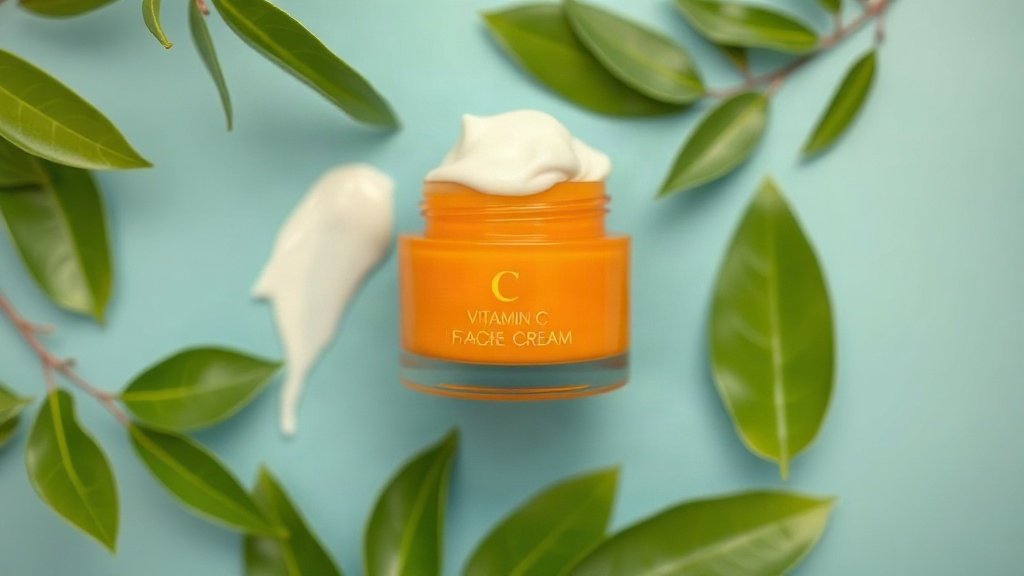
In today’s world of skincare, the incorporation of effective ingredients is paramount for achieving healthy, radiant skin. Among these, vitamin C has emerged as a powerhouse, known for its numerous benefits in combating skin aging and enhancing overall skin health. A product that often harnesses this potent ingredient is face cream, specifically formulated to provide the skin with the essential nutrients it craves. As consumers become increasingly aware of the advantages of topical vitamin C, the popularity of vitamin C-infused creams has surged, leading to a variety of options available in the market.
Vitamin C face creams are designed to provide a range of benefits, including reducing the appearance of fine lines, brightening skin tone, and offering protection against environmental stressors. The efficacy of these creams lies in their ability to deliver concentrated doses of vitamin C directly to the skin, allowing for deeper penetration and enhanced absorption. This ability to nourish and rejuvenate the skin makes these creams a staple in many skincare routines, appealing to a broad audience seeking effective solutions for their skin concerns.
As the skincare industry evolves, the formulation of vitamin C products continues to improve, leading to innovations that enhance stability and absorption rates. Users can now find creams that blend vitamin C with other beneficial ingredients, such as hyaluronic acid and peptides, further amplifying their effects. Therefore, understanding the various formulations and their specific benefits can help consumers make informed choices about the products they choose for their skincare regimens.
Understanding the Benefits of Vitamin C in Skincare
Vitamin C, also known as ascorbic acid, plays a crucial role in skin health due to its powerful antioxidant properties. This nutrient helps to neutralize free radicals, which are unstable molecules that can cause cellular damage and accelerate the aging process. By reducing oxidative stress, vitamin C can significantly improve the appearance and texture of the skin. Furthermore, it promotes collagen synthesis, which is essential for maintaining skin elasticity and firmness.
The brightening effect of vitamin C is another significant benefit, as it helps to reduce hyperpigmentation and even out skin tone. Many individuals struggle with dark spots or uneven skin tone, and incorporating a vitamin C face cream into their daily routine can lead to noticeable improvements over time. Users often report a more luminous complexion, with a reduction in the appearance of dark spots and a more uniform skin tone.
In addition to its anti-aging and brightening properties, vitamin C also provides a degree of protection against sun damage. While it is not a substitute for sunscreen, using a cream enriched with vitamin C can enhance the skin’s defense against UV exposure. This dual action of repairing existing damage and preventing further harm makes vitamin C an invaluable addition to any skincare routine.
Research indicates that vitamin C can help to significantly improve skin texture and reduce the appearance of fine lines and wrinkles, making it a vital component in anti-aging skincare products.
Key Ingredients to Look for in Vitamin C Creams
While vitamin C is the star ingredient in these creams, the effectiveness of the product can also depend on other complementary ingredients that enhance its overall performance. One such ingredient is hyaluronic acid, known for its remarkable ability to retain moisture in the skin. When combined with vitamin C, hyaluronic acid can help maintain hydration levels, leading to plumper and more supple skin.
Another beneficial addition is ferulic acid, which has been shown to stabilize vitamin C and enhance its effectiveness. This compound can help to increase the longevity of vitamin C in formulations, ensuring that users receive the maximum benefits over time. Additionally, ferulic acid itself offers antioxidant properties, further bolstering the protective capabilities of the cream.
Peptides are also a valuable component often found in vitamin C face creams. These small chains of amino acids can aid in skin repair and promote collagen production, enhancing the anti-aging effects of vitamin C. Together, these ingredients create a synergistic effect, providing users with a comprehensive solution for various skin concerns.
The combination of vitamin C with hydrating and stabilizing ingredients can lead to enhanced results, making it essential to consider the full formulation when choosing a product.
Choosing the Right Vitamin C Cream for Your Skin Type
When selecting a vitamin C face cream, it is essential to consider your specific skin type and concerns. For individuals with oily or acne-prone skin, lightweight formulations with a gel-like texture may be more suitable. These products often contain additional ingredients that help to control excess oil and prevent breakouts while still delivering the benefits of vitamin C.
Conversely, those with dry or sensitive skin may benefit from richer creams that provide added hydration. Look for products containing nourishing oils or butters that can help to soothe irritation and maintain moisture levels. It is crucial to choose a formulation that not only incorporates vitamin C but also aligns with your skin’s needs to maximize the benefits.
Furthermore, pay attention to the concentration of vitamin C in the product. A concentration of 10-20% is generally considered effective for most skin types, but sensitive skin may require lower concentrations to avoid irritation. Always conduct a patch test before fully incorporating a new product into your routine to ensure compatibility with your skin.
Application Tips for Maximum Efficacy
To achieve the best results from a vitamin C face cream, proper application is key. Start with clean, dry skin, applying the cream after cleansing and toning but before moisturizing. This allows the vitamin C to penetrate the skin effectively without interference from other products. Use a small amount, gently massaging it into the skin using upward and outward motions to promote absorption.
For optimal results, consider applying the cream in the morning. Vitamin C can help protect the skin from environmental aggressors encountered throughout the day. However, it is important to follow up with a broad-spectrum sunscreen to ensure adequate protection against UV rays.
Consistency is crucial when using vitamin C products. Incorporating the cream into your daily routine and allowing time for the skin to adjust can lead to significant improvements in tone and texture. Users should remember that results may take time, and patience is vital in achieving the desired outcomes.
Pros and Cons
- Pros:
- Brightens skin tone: Vitamin C is known for its ability to reduce hyperpigmentation and promote an even skin tone.
- Boosts collagen production: This nutrient supports collagen synthesis, leading to firmer, more elastic skin.
- Protects against environmental damage: The antioxidant properties of vitamin C help shield the skin from free radicals and UV exposure.
- Moisturizing benefits: Many formulations include hydrating ingredients that help keep the skin soft and supple.
- Cons:
- Potential for irritation: Some individuals may experience sensitivity or irritation from higher concentrations of vitamin C.
- Stability issues: Vitamin C can degrade over time, affecting the cream’s potency if not stored properly.
- Varied effectiveness: Not all formulations are created equal, and results can vary depending on product quality.
When weighing the pros and cons of vitamin C face creams, it is essential to recognize that while they offer significant benefits, individual experiences may vary. Users should consider their skin type and preferences when selecting a product to ensure the best possible outcomes.
Frequently Asked Questions
- What is the best time to apply vitamin C face cream?
The best time to apply vitamin C face cream is in the morning, as it can help protect the skin from environmental damage throughout the day. However, it can also be used at night as part of your skincare routine.
- Can I use vitamin C face cream with other skincare products?
Yes, vitamin C face cream can be used alongside other products, but it is advisable to apply it after cleansing and toning and before heavier moisturizers or treatments to ensure optimal absorption.
- How long does it take to see results from using vitamin C face cream?
Results may vary, but many users begin to notice improvements in their skin tone and texture within 4 to 8 weeks of consistent use. Patience is key, as visible changes may take time.
- Is vitamin C suitable for all skin types?
Vitamin C is generally suitable for most skin types, but individuals with sensitive skin should start with lower concentrations to minimize the risk of irritation. Always perform a patch test when trying a new product.
- Can I use vitamin C face cream every day?
Yes, many users can safely apply vitamin C face cream daily, especially in the morning. However, if irritation occurs, it may be beneficial to reduce usage to every other day or a few times a week.
Conclusion
In conclusion, incorporating a vitamin C face cream into your skincare routine can provide numerous benefits, from brightening skin tone to enhancing collagen production. Understanding the various formulations and selecting a product that suits your skin type is essential for achieving the best results. Regular application, combined with proper sun protection, can lead to a more radiant and youthful complexion. As you explore the world of skincare, consider the advantages of vitamin C and the positive impact it can have on your skin health, ultimately leading to a more confident you.
