
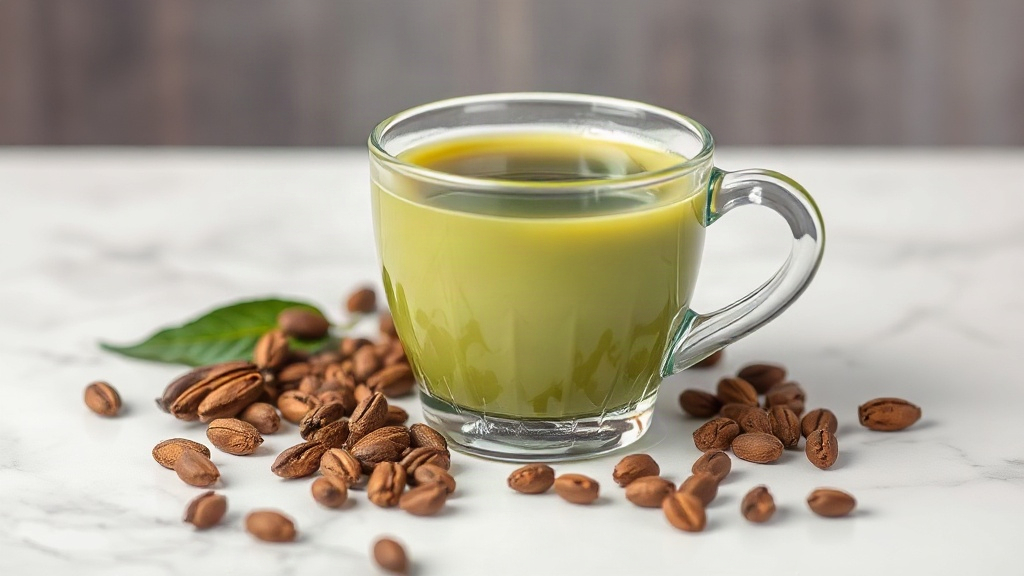
In the world of beverages, few drinks have gained as much popularity and recognition as matcha. This finely ground green tea powder has captivated tea enthusiasts and health-conscious individuals alike, thanks to its rich flavor and numerous health benefits. However, for those looking to enjoy the unique taste and advantages of matcha without the stimulating effects of caffeine, the emergence of decaffeinated varieties has provided a satisfying alternative. Decaf matcha green tea combines the traditional aspects of matcha with a lower caffeine content, making it accessible to a wider audience.
Decaf matcha green tea allows individuals to savor the distinctive taste and cultural heritage associated with matcha while avoiding the jitters or sleepless nights often linked to caffeine consumption. This variety is particularly appealing for those sensitive to caffeine or those looking to limit their intake for health reasons. As the popularity of matcha continues to rise, understanding the benefits, preparation methods, and various uses of decaf matcha green tea can help individuals make informed choices about incorporating it into their daily routines.
In this comprehensive exploration, we will delve into the benefits of decaf matcha green tea, its preparation techniques, and its diverse applications in culinary practices. With health trends leaning towards natural and holistic approaches, this beverage stands out as a nourishing option that can be enjoyed at any time of the day. Whether you are a long-time matcha lover or new to this delightful green tea, you’ll find valuable insights to enhance your experience.
Health Benefits of Low-Caffeine Matcha
One of the most appealing aspects of decaf matcha green tea is its myriad health benefits. Unlike regular green tea, matcha is made from the entire tea leaf, which means it contains a higher concentration of nutrients. This includes a potent antioxidant called EGCG, known for its ability to combat oxidative stress in the body. The presence of these antioxidants can help reduce inflammation and lower the risk of chronic diseases.
Additionally, decaf matcha green tea is rich in vitamins and minerals, including vitamin C, selenium, chromium, and zinc. These nutrients play vital roles in supporting the immune system and promoting overall well-being. Furthermore, studies have shown that the consumption of green tea, including its decaffeinated forms, may be associated with improved heart health and weight management. Including decaf matcha in your diet can be a delicious way to boost your health while enjoying its unique flavor.
Moreover, the calming properties of decaf matcha green tea can enhance mental clarity and focus without the anxiety often triggered by caffeine. This makes it an excellent choice for individuals looking to improve their concentration during work or study sessions. The amino acid L-theanine, found in matcha, promotes relaxation and helps in maintaining a balanced mood. Thus, individuals can enjoy the benefits of enhanced cognitive function without the side effects of caffeine.
Decaf matcha green tea retains many of the health benefits associated with its caffeinated counterpart, making it a nutrient-rich option for tea lovers.
How to Prepare Decaf Matcha
Preparing decaf matcha green tea can be a delightful ritual. The method of preparation is crucial in unlocking the flavor and health benefits of matcha. Begin by selecting high-quality decaffeinated matcha powder, which can often be found in specialty tea shops or online. To prepare a traditional cup of matcha, start by sifting about one to two teaspoons of matcha powder into a bowl to remove any clumps. This step ensures a smooth and consistent texture.
Next, add hot water, ideally around 175°F (80°C), to the bowl. It’s essential not to use boiling water, as this can scorch the delicate matcha and alter its flavor profile. Using a bamboo whisk, known as a chasen, whisk the matcha and water together in a zigzag motion until a frothy layer forms on the surface. This technique not only aerates the tea but also helps dissolve any remaining powder, resulting in a creamy and smooth beverage.
For those who prefer a different approach, decaf matcha can also be used to create lattes or smoothies. By blending matcha with milk or a dairy-free alternative, you can create a delicious matcha latte that is both creamy and nourishing. Adding sweeteners like honey, agave syrup, or flavored syrups can enhance the taste according to your preference. Experimenting with different ingredients can lead to a variety of delightful beverages that cater to your taste buds.
Proper preparation techniques are essential to achieve the optimal flavor and health benefits of decaf matcha green tea.
Culinary Uses of Decaf Matcha
Beyond being a refreshing drink, decaf matcha green tea can be creatively incorporated into various culinary applications. Its vibrant green hue and distinct flavor make it an attractive addition to baked goods, such as cookies, cakes, and muffins. When mixed into batter, decaf matcha not only adds a unique taste but also infuses the products with beneficial nutrients.
Moreover, it can be used as a flavoring agent in savory dishes. For example, adding decaf matcha to salad dressings or marinades can create an interesting twist, enhancing the overall flavor profile of your meals. Additionally, its versatility extends to ice creams and frozen desserts, where it can be mixed into the base to produce a refreshing treat that’s both unique and nutritious.
Decaf matcha can also be a star ingredient in energy balls or healthy snacks. Combining matcha powder with nuts, seeds, and natural sweeteners can yield a tasty and nutritious snack that provides sustained energy without the crash associated with high-sugar foods. This versatility makes decaf matcha an excellent ingredient for those looking to enhance their culinary creations while reaping the benefits of this remarkable green tea.
Pros and Cons
- Pros:
- Decaf matcha green tea provides a rich source of antioxidants, helping to combat oxidative stress in the body.
- It is versatile in culinary applications, usable in beverages, baked goods, and savory dishes.
- The calming effects of L-theanine promote relaxation and focus without the jitters from caffeine.
- Low in calories and high in nutrients, it can be a beneficial addition to a balanced diet.
- Cons:
- The flavor profile of decaf matcha may differ slightly from traditional matcha, which some may find less appealing.
- Decaffeination processes can sometimes reduce the levels of certain beneficial compounds.
- Quality decaf matcha can be more expensive than regular green tea.
When weighing the pros and cons of decaf matcha green tea, it becomes clear that while it offers numerous health benefits, some trade-offs exist. The unique flavor and versatility of this beverage make it a worthy addition to many diets. However, it is essential to consider individual preferences and health goals when opting for decaf matcha over its caffeinated counterpart.
Frequently Asked Questions
- What is decaf matcha green tea?
Decaf matcha green tea is a finely ground green tea powder that has undergone a decaffeination process to remove most of its caffeine content. It maintains the rich flavors and health benefits associated with traditional matcha, making it suitable for individuals who are sensitive to caffeine or prefer to limit their intake.
- How does the taste of decaf matcha differ from regular matcha?
The taste of decaf matcha can be slightly milder compared to regular matcha due to the decaffeination process. However, quality decaf matcha can still provide a rich and earthy flavor profile that many enjoy. The overall taste may vary based on the specific brand and quality of the matcha used.
- Can I use decaf matcha in cooking and baking?
Yes, decaf matcha can be used in a variety of cooking and baking applications. It can enhance the flavor of baked goods, such as cakes and cookies, and can also be incorporated into smoothies, lattes, and savory dishes like dressings and marinades.
- Is decaf matcha green tea as healthy as regular matcha?
While decaf matcha may have slightly lower levels of certain beneficial compounds due to the decaffeination process, it still retains many of the health benefits associated with traditional matcha. It is rich in antioxidants and nutrients, making it a healthy choice for those avoiding caffeine.
- How should I store decaf matcha green tea?
To maintain the freshness and quality of decaf matcha green tea, it should be stored in an airtight container in a cool, dark place. Avoid exposure to light, air, and moisture to preserve its flavor and nutritional properties.
Conclusion
Decaf matcha green tea offers a unique twist on the traditional matcha experience, providing a delightful beverage option for those who wish to enjoy the flavors and health benefits without the effects of caffeine. From its rich antioxidant content to its versatility in culinary applications, this beverage caters to a wide range of preferences and dietary needs. Preparing decaf matcha can become a cherished ritual, offering moments of relaxation and enjoyment throughout the day. As you explore the various ways to incorporate this green tea into your diet, remember to consider the delicate balance of flavor, health benefits, and personal preferences. Embracing decaf matcha green tea may lead to a deeper appreciation for this remarkable beverage and its potential to enhance overall well-being.
