
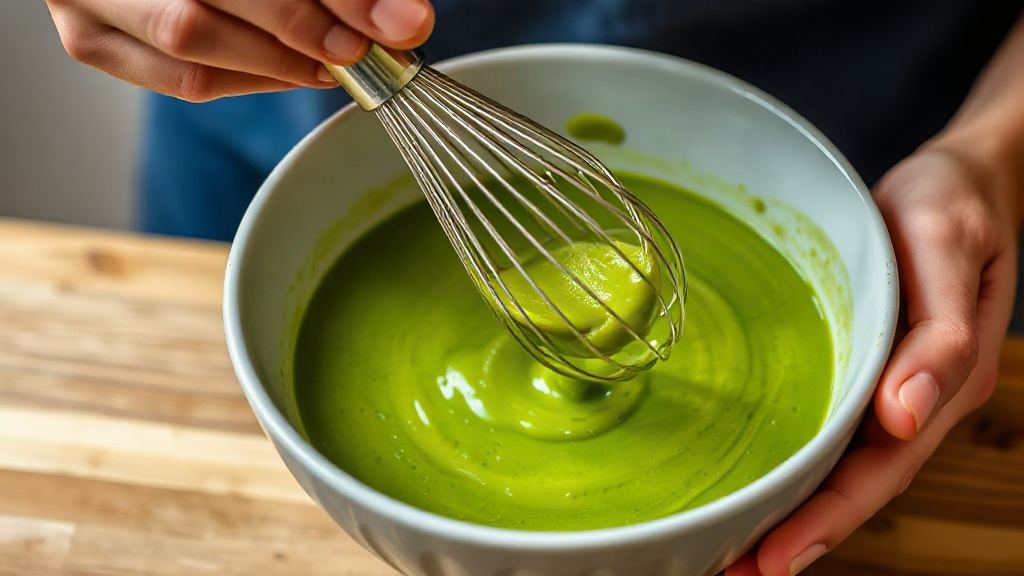
In recent years, the popularity of matcha has surged, capturing the attention of tea enthusiasts and health-conscious individuals alike. This vibrant green powder, derived from finely ground green tea leaves, offers a unique flavor profile and a multitude of health benefits. To fully appreciate the experience of preparing and consuming matcha, one must utilize the right tools, specifically a whisk and a bowl designed for this purpose. The synergy between these tools enhances the preparation process, ensuring that the matcha is properly whisked to achieve a smooth, frothy consistency.
The traditional method of preparing matcha involves using a bamboo whisk known as a chasen and a bowl called a chawan. The careful craftsmanship of these tools is not just for aesthetics; they play a critical role in the preparation of matcha. Understanding the significance of each component, as well as how to use them effectively, can transform the act of making matcha from a simple task into an art form. From the selection of high-quality matcha to the technique of whisking, every step contributes to the overall experience and enjoyment of this unique beverage.
As we delve deeper into the world of matcha, we will explore the various aspects of using a whisk and bowl, including their history, functionality, and the best practices for achieving the perfect cup. Whether you are a seasoned matcha drinker or a newcomer to this delightful beverage, understanding the tools of the trade will enhance your matcha-making experience and allow you to appreciate its rich cultural significance.
Understanding the Role of the Whisk in Matcha Preparation
The whisk, known as a chasen, is a traditional tool made from bamboo that is specifically designed for whisking matcha. Its unique structure, featuring multiple fine tines, allows for the incorporation of air into the matcha powder, creating a light and frothy texture. The design of the chasen is essential not only for aesthetics but also for the functionality it provides in the preparation of matcha. A well-made whisk can make a significant difference in achieving the desired frothiness and smoothness of the drink.
When using a chasen, it is crucial to hold it correctly to maximize its effectiveness. The whisk should be held at a 45-degree angle to the bowl, allowing the tines to effectively mix the matcha with water. This technique ensures that the matcha powder is thoroughly dissolved, preventing clumps and resulting in a silky-smooth beverage. Moreover, the whisking motion should be gentle yet deliberate, creating a zigzag pattern that encourages even mixing and aeration.
The quality of the whisk significantly impacts the final outcome of the matcha, making it an essential tool for any matcha lover.
Different types of chasen exist, each with varying numbers of tines and thicknesses, allowing users to choose one that best fits their preferences. For example, a whisk with more tines creates a frothier matcha, while one with fewer tines allows for a thicker texture. Selecting the right chasen based on your personal taste and desired matcha experience can elevate your preparation process and enhance your enjoyment.
Choosing the Right Bowl for Matcha
The bowl used for preparing matcha, known as a chawan, is equally important in the matcha-making process. Traditionally, chawan are crafted from ceramic or porcelain and come in various shapes and sizes. The design of the bowl not only influences the aesthetic appeal but also affects the functionality during preparation. A well-designed chawan provides sufficient space for whisking and allows for easy movement of the whisk.
When selecting a chawan, consider factors such as the size and depth of the bowl. A deeper bowl can help contain the froth created during whisking, while a wider bowl may offer more surface area for whisking. Additionally, the texture of the bowl’s interior can impact how well the matcha mixes. A smoother interior allows for easier whisking, while a textured surface may create additional resistance.
A suitable bowl is crucial for ensuring that the whisking process is effective and the matcha reaches the desired consistency.
Beyond functionality, the bowl also serves as a vessel for enjoying the beverage. Many matcha enthusiasts appreciate the ritual of drinking from a beautifully crafted chawan, which enhances the overall experience. Whether you prefer a traditional style or a more modern design, investing in a quality bowl can elevate your matcha enjoyment and provide a sense of connection to the rich cultural heritage of this beverage.
Techniques for Perfect Matcha Preparation
To create the perfect cup of matcha, it is essential to master the techniques associated with using a whisk and bowl. Start by selecting high-quality matcha powder, as the flavor and health benefits largely depend on the quality of the tea leaves used. Gradually sift the matcha into the bowl to eliminate any clumps, ensuring a smooth mixture when it is whisked. This step is often overlooked but is crucial for achieving the desired texture.
Next, add hot water to the bowl. The ideal temperature for matcha preparation is typically around 175°F (80°C), as boiling water can scorch the delicate tea leaves and alter the flavor. Pour the water over the matcha powder, and then begin whisking with the chasen. The goal is to create a frothy layer on the surface, which indicates that the matcha is well blended. Incorporating a zigzag motion while whisking will help achieve optimal results.
The temperature of the water and the whisking technique directly impact the flavor and texture of the matcha.
Once the matcha is whisked to perfection, it can be served immediately. Enjoying matcha is not just about the beverage itself; it’s about the entire preparation process. Taking the time to focus on each step, from whisking to savoring, enhances the experience and allows for a deeper appreciation of this traditional drink.
Exploring the Health Benefits of Matcha
In addition to its delightful flavor, matcha is celebrated for its numerous health benefits. Rich in antioxidants, particularly catechins, matcha helps combat oxidative stress and may reduce the risk of chronic diseases. These antioxidants work to neutralize free radicals, promoting overall health and wellness.
Another notable benefit of matcha is its potential to enhance mental clarity and focus. The presence of L-theanine, an amino acid found in matcha, promotes relaxation without causing drowsiness. This unique combination of caffeine and L-theanine results in a sustained energy boost, making matcha an excellent alternative to coffee. Many people report feeling more alert and focused after consuming matcha, attributing this to the calming effects of L-theanine.
Moreover, matcha may aid in weight management. Studies have suggested that the catechins in matcha can increase metabolism and promote fat oxidation, contributing to weight loss efforts. Incorporating matcha into a balanced diet, combined with regular physical activity, can support overall health and fitness goals.
Pros and Cons
- Pros:
- High in antioxidants, matcha can help reduce oxidative stress and promote overall health.
- The unique combination of caffeine and L-theanine enhances concentration while providing sustained energy.
- Matcha may aid in weight management by boosting metabolism and promoting fat oxidation.
- A ritualistic preparation process can enhance mindfulness and appreciation for the beverage.
- Cons:
- High-quality matcha can be expensive, making it less accessible for some consumers.
- Consuming too much matcha may lead to excessive caffeine intake, which can cause jitters.
- Some individuals may experience digestive discomfort if they are sensitive to green tea.
In weighing the pros and cons of incorporating matcha into your diet, it is essential to consider personal preferences and health goals. While the benefits are substantial, potential drawbacks should not be overlooked. Moderation and quality selection are key factors in maximizing the enjoyment and health benefits of matcha.
Frequently Asked Questions
- What is the best way to store matcha powder?
To preserve the freshness and quality of matcha powder, it should be stored in an airtight container in a cool, dark place. Exposure to light and moisture can degrade its flavor and nutritional value. For long-term storage, refrigeration is beneficial, but allow the powder to return to room temperature before opening to prevent condensation.
- Can matcha be consumed cold?
Yes, matcha can be enjoyed cold, particularly in the form of iced matcha lattes or smoothies. To prepare cold matcha, whisk it with a small amount of hot water to dissolve the powder, then mix it with cold water, milk, or a milk alternative. This versatility allows matcha to be enjoyed in various ways, catering to personal preferences.
- How often should I consume matcha?
Moderation is key when it comes to matcha consumption. For most people, one to two servings a day is sufficient to reap its health benefits without experiencing adverse effects from caffeine. However, individual tolerance levels may vary, so it’s essential to listen to your body and adjust intake accordingly.
- Is matcha suitable for everyone?
While matcha offers numerous health benefits, it may not be suitable for everyone. Individuals sensitive to caffeine or those with certain medical conditions should consult a healthcare professional before incorporating matcha into their diet. Additionally, pregnant or nursing women should exercise caution and seek guidance from their doctor.
- How do I choose high-quality matcha?
When selecting matcha, look for vibrant green color, which indicates freshness and high chlorophyll content. The texture should be fine and smooth, with a powdery consistency. Opt for ceremonial-grade matcha for the best flavor and quality, especially if you plan to enjoy it on its own. Reading reviews and sourcing from reputable suppliers can help ensure quality.
Conclusion
In conclusion, the art of preparing matcha extends far beyond simply mixing powder and water; it involves the careful selection and use of a whisk and bowl that enhance the overall experience. By understanding the roles of each tool, individuals can elevate their matcha preparation and appreciation. The numerous health benefits associated with matcha only add to its allure, making it a delightful addition to any diet. As you embark on your matcha journey, remember the techniques discussed, and allow yourself to savor each step of the process. Ultimately, whether enjoyed quietly or shared among friends, matcha offers a unique connection to tradition and wellness that is hard to replicate.
