
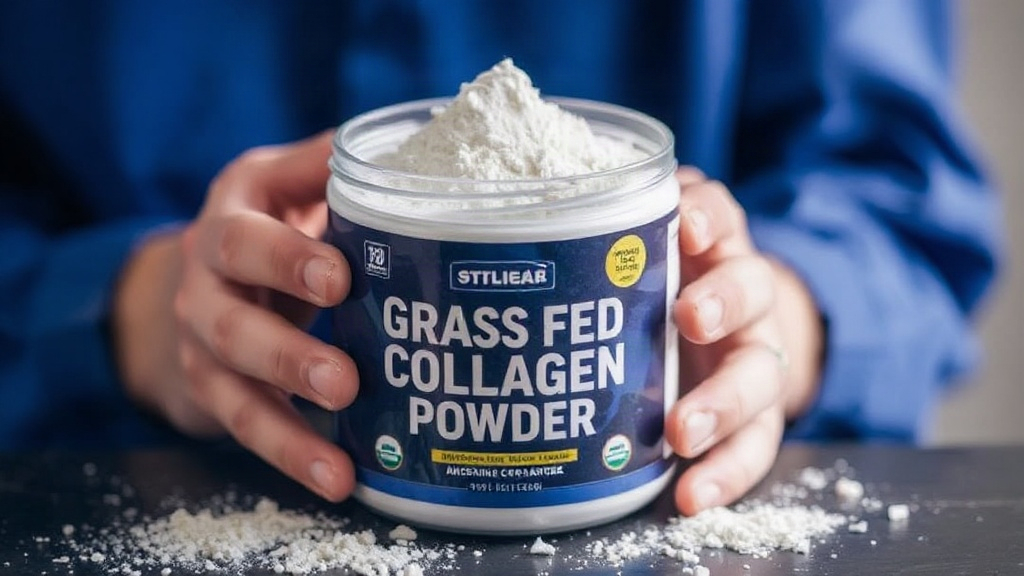
In recent years, the popularity of collagen supplements has surged, particularly among health-conscious consumers looking to enhance their skin, joints, and overall well-being. Among these options, products derived from grass-fed sources have gained significant attention for their purported health benefits. The appeal of grass-fed collagen powder lies in its potential to support numerous bodily functions, thanks to its rich amino acid profile. As more people become aware of the benefits associated with collagen, understanding the differences in sourcing, quality, and nutritional content becomes essential.
Grass-fed collagen powder is typically sourced from animals that have been raised on a natural diet, consisting primarily of grass and forage. This method of raising livestock not only impacts the nutritional profile of the collagen but also aligns with the growing consumer demand for ethically produced and sustainable food sources. The significance of grass-fed products extends beyond mere marketing; they offer superior quality and nutritional benefits compared to their grain-fed counterparts. This article explores the various aspects of grass-fed collagen powder, including its benefits, sourcing practices, and how it can be incorporated into a daily wellness routine.
Before diving into the details, it’s crucial to note that the collagen industry is diverse, with various types of collagen and sourcing methods available on the market. The most common forms of collagen supplements are hydrolyzed collagen, gelatin, and collagen peptides, each offering unique benefits and applications. Understanding these differences will empower consumers to make informed choices suited to their individual health goals. This exploration of grass-fed collagen powder will provide insights that help clarify its role in health and wellness.
Key Takeaways
- Grass-fed collagen powder is derived from animals raised on a natural pasture diet, providing higher nutritional value and better amino acid profiles.
- Regular consumption of collagen may support skin elasticity, joint health, and overall wellness.
- Choosing grass-fed collagen supports sustainable farming practices and ethical treatment of animals.
- This supplement can be easily incorporated into smoothies, coffees, and baked goods, making it a versatile addition to any diet.
The Nutritional Benefits of Grass-Fed Collagen
One of the primary reasons for the growing interest in grass-fed collagen is its impressive nutritional profile. Grass-fed collagen powder is rich in essential amino acids, particularly glycine, proline, and hydroxyproline. These amino acids are crucial for the production of collagen in the body, which plays a vital role in maintaining the integrity of connective tissues, skin, and cartilage. Research has shown that supplementing with collagen can significantly improve skin hydration, elasticity, and overall appearance, making it a popular choice for those seeking to enhance their beauty routines.
Moreover, the amino acids found in collagen contribute to joint health by providing the building blocks necessary for cartilage repair and maintenance. This is particularly beneficial for athletes and individuals with active lifestyles, as joint health directly impacts performance and mobility. Studies have indicated that collagen supplementation may help reduce joint pain and improve joint function, making it an attractive option for those suffering from osteoarthritis or other joint-related conditions.
Additionally, grass-fed sources of collagen often contain higher levels of omega-3 fatty acids and antioxidants compared to grain-fed alternatives. These nutrients are essential for reducing inflammation and promoting overall health. The anti-inflammatory properties of omega-3 fatty acids can further enhance the benefits of collagen, providing a holistic approach to health and wellness. The combination of amino acids, omega-3s, and antioxidants in grass-fed collagen powder creates a robust supplement that supports multiple aspects of health.
Collagen supplementation has been linked to improved skin health and reduced joint pain, making it a valuable addition to any wellness routine.
How to Incorporate Grass-Fed Collagen into Your Diet
Integrating grass-fed collagen powder into your daily diet can be both simple and enjoyable. One of the most popular methods is to add it to smoothies or shakes, where it blends seamlessly with fruits, vegetables, and other nutritional supplements. This not only enhances the nutritional value of the smoothie but also allows for a delicious and convenient way to support your health goals. Combining collagen with protein sources like Greek yogurt or nut butter can further enrich the meal, providing a balanced intake of nutrients.
Another effective way to consume collagen is by incorporating it into your morning coffee or tea. Many people have found that adding a scoop of collagen powder to their hot beverages is an easy way to enhance their daily routine without altering the flavor significantly. This method provides an additional protein boost, which can help sustain energy levels throughout the day. For those who enjoy baking, collagen can also be included in recipes for muffins, pancakes, or energy bars, allowing for a nutritious snack or meal option.
It’s important to note that while collagen supplements can offer significant benefits, they should be part of a balanced diet rich in vitamins and minerals. Foods high in vitamin C, such as citrus fruits and leafy greens, can further enhance collagen synthesis in the body. Combining these foods with collagen powder can create a synergistic effect that maximizes health benefits. Overall, finding creative ways to incorporate grass-fed collagen into your diet can help you reap its rewards while enjoying a variety of flavors and dishes.
Incorporating collagen into your daily meals can enhance nutrition and support health goals, making it a versatile supplement.
Sourcing and Quality Considerations
When selecting a collagen supplement, the sourcing and quality of the product are paramount. Grass-fed collagen is often marketed as a more ethical and sustainable option compared to grain-fed collagen. Animals raised on pasture not only have access to a natural diet but also typically enjoy better living conditions. This commitment to animal welfare translates into a higher quality product for consumers. Understanding the sourcing practices behind collagen supplements can empower consumers to make choices that align with their values.
Moreover, consumers should look for products that are tested for purity and safety. High-quality grass-fed collagen powder should be free from additives, fillers, or artificial ingredients. Certifications such as USDA Organic or Non-GMO Project Verified can provide additional assurance of the product’s quality and sourcing practices. Checking for third-party testing can also confirm that the collagen supplement meets safety and efficacy standards, ensuring that you are investing in a product that delivers on its promises.
Another aspect to consider is the type of collagen used in the powder. There are several types of collagen (Type I, II, and III), each serving different functions in the body. Type I collagen is primarily found in skin, tendons, and bones, while Type II is more prevalent in cartilage. Understanding which type of collagen is best suited for your needs can guide you in selecting the right product. Consulting with a healthcare professional can also provide personalized recommendations based on your specific health goals.
Pros and Cons
- Pros:
- Enhanced skin health: Grass-fed collagen may improve skin elasticity and hydration, contributing to a youthful appearance.
- Joint support: Regular consumption can lead to reduced joint pain and improved mobility, particularly for active individuals.
- Ethical sourcing: Grass-fed collagen is derived from animals raised under humane conditions, aligning with sustainable practices.
- Versatile usage: It can be easily added to various foods and beverages, making it a convenient supplement for daily intake.
- Cons:
- Cost: Grass-fed collagen products can be more expensive than their grain-fed counterparts, which may be a consideration for some consumers.
- Allergies: Individuals with specific dietary restrictions or allergies should carefully review collagen sources to avoid adverse reactions.
- Limited evidence: While many benefits are suggested, scientific research is still developing, and further studies may be needed to fully understand its effects.
In weighing the pros and cons of grass-fed collagen, it’s clear that while there are numerous benefits to be gained, potential drawbacks should also be considered. The enhanced nutritional profile, ethical sourcing, and versatility of collagen make it an appealing choice for many. However, the cost and individual dietary needs may influence one’s decision. Overall, a balanced approach that considers both the advantages and disadvantages can lead to a well-informed choice in selecting the right collagen supplement.
Frequently Asked Questions
- What are the main benefits of taking grass-fed collagen?
Grass-fed collagen offers numerous benefits, including improved skin elasticity, enhanced joint health, and increased hydration. The amino acids present in collagen are essential for maintaining healthy skin, bones, and connective tissues, making it a valuable supplement for overall wellness.
- How do I choose a high-quality collagen supplement?
When selecting a collagen supplement, look for products that are grass-fed, free from additives, and tested for purity. Certifications such as USDA Organic and Non-GMO can provide additional assurance of quality. Additionally, consider the type of collagen used and consult with a healthcare professional for tailored recommendations.
- Can I take collagen if I have dietary restrictions?
Individuals with dietary restrictions should carefully review the source of collagen to ensure it aligns with their needs. There are plant-based alternatives available, although they may not offer the same amino acid profile as animal-derived collagen. Always consult with a healthcare provider before starting any new supplement.
- How long does it take to see the benefits of collagen supplementation?
While some individuals may notice improvements in skin or joint health within a few weeks, it can take several months of consistent use to experience the full benefits of collagen supplementation. Results can vary based on individual factors such as diet, lifestyle, and overall health.
- Is it safe to take collagen daily?
Yes, most people can safely consume collagen supplements daily. However, it’s essential to follow the recommended dosage on the product label. If you have specific health concerns or dietary restrictions, consulting with a healthcare professional is advisable.
Conclusion
In summary, grass-fed collagen powder presents a myriad of benefits that can enhance skin health, support joint function, and contribute to overall wellness. Its ethical sourcing and superior nutritional profile make it a favorable choice among consumers seeking quality supplements. Integrating collagen into your daily routine can be done effortlessly through various culinary applications, ensuring that it becomes a tasty and beneficial addition to your diet. Nevertheless, as with any supplement, it’s vital to consider personal health needs and choose high-quality products backed by credible sourcing and testing. By making informed decisions, individuals can harness the power of collagen to bolster their health and vitality.
