
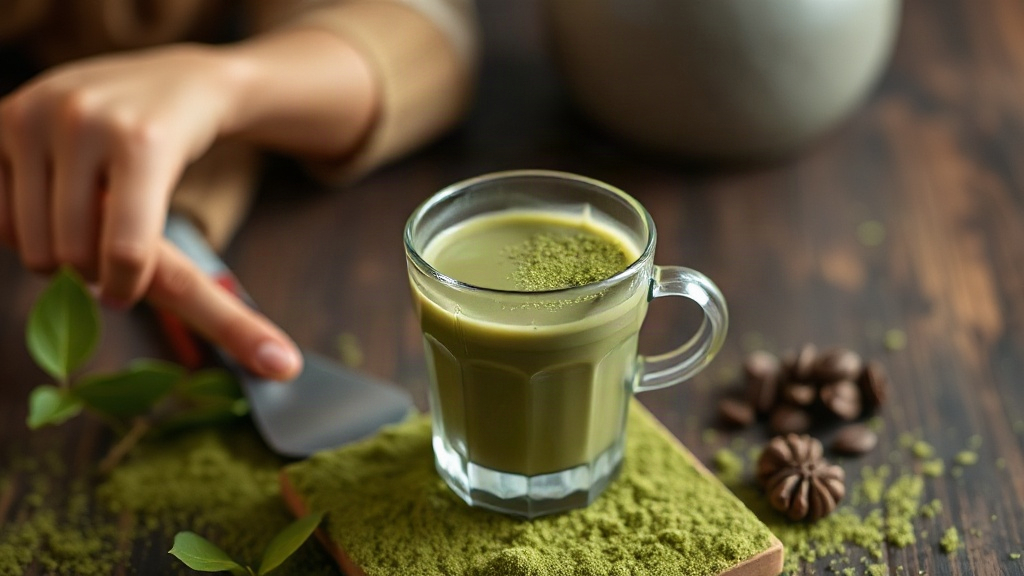
Matcha tea is a unique and vibrant green beverage that has gained popularity for its distinctive flavor and numerous health benefits. Unlike traditional brewed green tea, matcha is made from finely ground powder of specially grown and processed green tea leaves. This preparation method not only enhances the taste but also increases the concentration of beneficial compounds, including caffeine. Understanding the caffeine content in matcha is essential for both new and seasoned tea drinkers seeking to make informed choices.
The caffeine in matcha tea is often a point of interest for those who are conscious about their daily caffeine intake. While many people enjoy caffeine for its stimulating effects, it can also lead to jitters and disruptions in sleep patterns if consumed in excess. Therefore, knowing how much caffeine is present in matcha can help individuals balance their energy needs with potential health considerations. This article will explore the caffeine content in matcha tea and its impact on health, providing you with valuable insights.
Additionally, matcha tea is celebrated not just for its caffeine content, but also for its rich antioxidant properties and various health benefits. These benefits include improved focus, enhanced metabolism, and even potential cancer-fighting properties. As we delve into the caffeine aspect of matcha, we will also touch on its overall health benefits, making this a comprehensive guide for those curious about the nuances of this popular drink.
Understanding Caffeine in Matcha Tea
Caffeine is a natural stimulant found in various plants, and its presence in matcha is one of the factors contributing to its popularity. A typical serving of matcha, which is about one teaspoon or two grams of powder, contains approximately 70 mg of caffeine. This amount is higher than that found in a standard serving of brewed green tea, which usually contains around 30-50 mg of caffeine. However, it is important to note that the caffeine in matcha is absorbed more slowly due to the presence of L-theanine, an amino acid found in tea leaves, which promotes a calm alertness.
The unique composition of matcha allows for a smoother caffeine experience. Instead of the rapid spike in energy often associated with coffee, matcha provides a more stable energy boost that can last up to 6 hours. This makes matcha an appealing alternative for those who want sustained energy without the crash that can come from other caffeinated beverages. Furthermore, the combination of caffeine and L-theanine in matcha can enhance cognitive performance, making it easier to focus and concentrate on tasks.
The caffeine in matcha is metabolized differently than that in coffee, providing a more balanced energy boost.
It’s also important to consider that individual sensitivity to caffeine varies widely. Factors such as body weight, tolerance, and overall health can affect how one reacts to caffeine. For someone who is accustomed to consuming caffeine regularly, the effects of matcha may be less pronounced than for someone who is caffeine-sensitive. Therefore, starting with a small amount and gradually increasing your intake can help you find your ideal balance.
Health Benefits of Matcha Beyond Caffeine
While the caffeine content is a significant aspect of matcha tea, the health benefits extend far beyond just providing energy. One of the most notable features of matcha is its high concentration of antioxidants, particularly catechins. These antioxidants are known to combat oxidative stress and may lower the risk of chronic diseases such as heart disease and cancer. The most potent catechin found in matcha is epigallocatechin gallate (EGCG), which has been widely studied for its anti-inflammatory and anti-cancer properties.
In addition to its antioxidant properties, matcha can also aid in weight loss. The presence of catechins, combined with caffeine, can enhance metabolic rates and promote fat oxidation. Studies have shown that consuming matcha may increase fat burning during exercise, making it a valuable addition to any fitness routine. Moreover, the thermogenic effect of matcha can help in maintaining a healthy weight and improving overall body composition.
Furthermore, matcha has been linked to improved heart health. Regular consumption of green tea, including matcha, has been shown to reduce levels of LDL cholesterol and triglycerides, thus supporting cardiovascular health. This is particularly beneficial for those at risk of heart disease, making matcha not just a delicious beverage, but a proactive choice for health.
Matcha is packed with antioxidants that can help combat oxidative stress and reduce the risk of chronic diseases.
How to Prepare and Enjoy Matcha Tea
Preparing matcha tea is an art that can enhance its flavor and health benefits. The traditional method involves whisking matcha powder with hot water using a bamboo whisk, known as a chasen. This method not only allows for a frothy texture but also ensures that the powder is fully dissolved, preventing clumps. The ideal temperature for the water is around 175°F (80°C), as boiling water can scorch the delicate leaves and alter the flavor profile.
For those new to matcha, starting with a basic matcha tea is recommended. Simply add one to two teaspoons of matcha powder to a bowl, pour in hot water, and whisk until a frothy consistency is achieved. You can adjust the amount of matcha and water to suit your taste preferences. Additionally, matcha can be incorporated into smoothies, baked goods, or even savory dishes, providing versatility in how it can be enjoyed.
When choosing matcha, it’s essential to select high-quality ceremonial grade matcha for the best flavor and health benefits. Look for vibrant green color and a fine powder texture, which indicates freshness and quality. Organic matcha is also a wise choice, as it ensures that no harmful chemicals have been used during its cultivation.
Pros and Cons of Consuming Matcha Tea
- Pros:
- Rich in antioxidants that support overall health and wellness.
- Provides a stable energy boost without the jitters associated with coffee.
- Enhances cognitive function and promotes better focus.
- Can aid in weight loss and support metabolic health.
- Cons:
- May cause digestive issues in sensitive individuals if consumed in excess.
- Higher cost compared to regular green tea.
- Potential caffeine sensitivity may lead to anxiety or sleeplessness.
Considering both the advantages and disadvantages of matcha tea can help individuals make informed choices about its consumption. While the health benefits are significant, it is crucial to be mindful of personal tolerance levels to caffeine and any potential digestive issues that may arise. Overall, when consumed in moderation, matcha can be a delightful and healthful addition to your daily routine.
Frequently Asked Questions
- How much caffeine is in matcha compared to coffee?
Matcha contains approximately 70 mg of caffeine per serving, which is less than the average cup of coffee that typically has around 95 mg. However, the presence of L-theanine in matcha provides a more balanced energy boost.
- Can matcha tea help with weight loss?
Yes, matcha can aid in weight loss due to its high concentration of catechins and caffeine, which can enhance metabolism and promote fat burning during exercise. Incorporating matcha into a healthy diet can support weight management goals.
- Is matcha safe for everyone to drink?
While matcha is generally safe for most people, those who are sensitive to caffeine should monitor their intake. Additionally, individuals with certain medical conditions or those who are pregnant should consult with a healthcare professional before adding matcha to their diet.
- How should I store matcha tea?
To preserve the freshness and potency of matcha, it should be stored in an airtight container in a cool, dark place. Avoid exposure to light, heat, and moisture, as these can degrade the quality of the matcha powder.
- Can I drink matcha every day?
Many people enjoy matcha daily due to its numerous health benefits. However, moderation is key, and it’s essential to listen to your body regarding caffeine sensitivity and digestive comfort.
Conclusion
In conclusion, matcha tea offers a unique combination of caffeine and health benefits that make it a popular choice among health enthusiasts. Understanding the caffeine content and its effects can help individuals enjoy matcha without overstepping their caffeine limits. With its rich antioxidant properties, potential weight loss benefits, and ability to enhance focus, matcha is more than just a delicious beverage. Whether enjoyed traditionally or incorporated into various recipes, matcha can be a valuable addition to a balanced diet. As with any food or drink, consuming it mindfully and in moderation will yield the best results for your health and well-being.
