
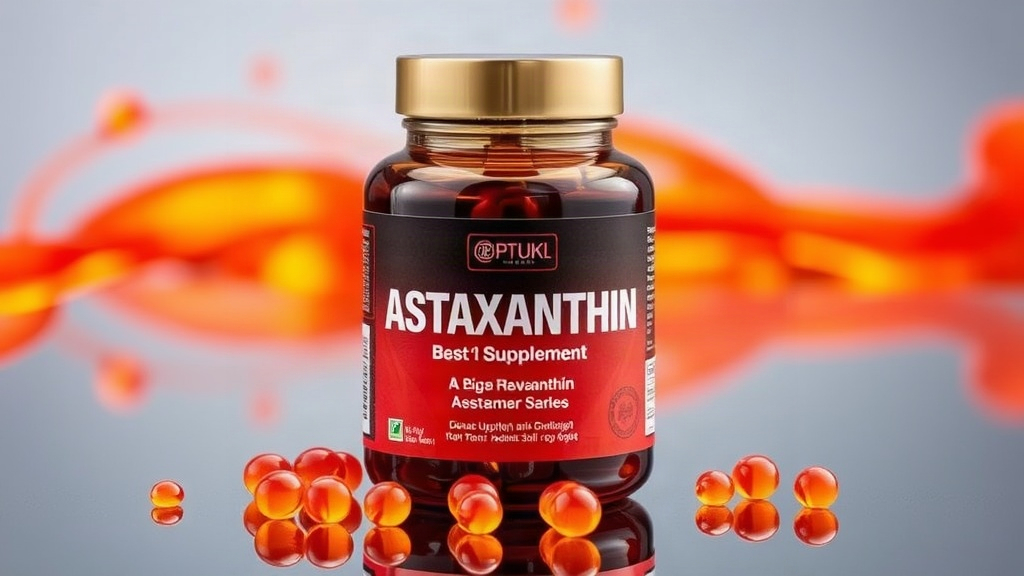
The quest for optimal health has led many individuals to explore various dietary supplements, and among these, astaxanthin has garnered significant attention. Derived from microalgae, this powerful antioxidant is known for its potential to provide numerous health benefits, including improved skin health, enhanced athletic performance, and increased endurance. As the interest in natural supplements continues to rise, understanding the implications of astaxanthin supplementation becomes crucial for consumers looking to enhance their overall wellness.
Astaxanthin stands out not just for its vibrant red-orange pigment, but for its remarkable antioxidant properties, which are believed to be far superior to those of other antioxidants such as vitamin C and vitamin E. This potent compound is increasingly popular among athletes, health enthusiasts, and anyone seeking to mitigate the effects of oxidative stress. With various astaxanthin products available on the market, identifying the most effective and reliable options can be overwhelming. This article aims to guide readers through the top choices and essential considerations when selecting a supplement that aligns with their health goals.
Before diving into the specifics of the best options available, it is important to note that individual needs, health conditions, and lifestyle factors play a significant role in determining the right supplement. Therefore, consulting with a healthcare professional is advisable to ensure compatibility and safety. This article will provide valuable insights into the benefits of astaxanthin, the criteria for choosing a supplement, and a comprehensive overview of recommended products, helping readers make informed decisions.
Understanding Astaxanthin and Its Benefits
Astaxanthin is a carotenoid, a class of pigments naturally occurring in certain algae, yeast, and seafood. Its most notable sources include the microalgae Haematococcus pluvialis, which is known to produce high concentrations of astaxanthin when exposed to environmental stressors. This compound has been studied for its ability to combat oxidative stress and inflammation, which are linked to numerous health issues, including chronic diseases and aging. By neutralizing free radicals, astaxanthin may help protect cells from damage and support overall health.
Research indicates that astaxanthin may offer a variety of health benefits, making it a popular choice among consumers. One of its most celebrated advantages is its potential to enhance skin health. Studies suggest that astaxanthin can improve skin elasticity, reduce the appearance of fine lines, and protect against UV-induced damage. Moreover, athletes often turn to astaxanthin to aid recovery and improve performance, as it may reduce muscle soreness and fatigue after intense exercise.
Beyond skin and athletic benefits, astaxanthin has also shown promise in supporting eye health. It may help protect against age-related macular degeneration and improve visual acuity. Furthermore, ongoing research explores its effects on cardiovascular health, with preliminary findings suggesting it may help lower blood pressure and improve lipid profiles. These diverse benefits underscore the importance of considering astaxanthin as a viable addition to a balanced dietary regimen.
Astaxanthin’s antioxidant properties are believed to be up to 6000 times stronger than vitamin C, making it a powerful ally in combating oxidative stress.
Choosing the Right Astaxanthin Supplement
When it comes to selecting an astaxanthin supplement, there are several important factors to consider. First and foremost, the source of astaxanthin is critical. Supplements derived from Haematococcus pluvialis are generally regarded as the most effective, as this strain produces the highest concentrations of astaxanthin. Additionally, consumers should look for products that provide a minimum of 4 mg of astaxanthin per serving, as studies have indicated that this dosage can yield significant health benefits.
Another essential aspect is the form of the supplement. Astaxanthin is available in various forms, including soft gels, capsules, and powders. Soft gels may offer better absorption due to the oil-based formulation, while powders can be a versatile option for those who prefer to mix their supplements into smoothies or other foods. It’s also wise to consider the presence of other complementary ingredients, such as omega-3 fatty acids, which may enhance the absorption and effectiveness of astaxanthin.
Quality assurance is also paramount when selecting a supplement. Consumers should seek products that have undergone third-party testing to verify their purity and potency. Certifications from reputable organizations can provide additional assurance that the product meets high-quality standards. Furthermore, reading customer reviews and testimonials can offer insights into the effectiveness and reliability of specific brands.
Top Recommendations for Astaxanthin Supplements
With numerous options available on the market, identifying the top astaxanthin supplements can be challenging. However, a few standout products have gained recognition for their quality, effectiveness, and positive customer feedback. One highly recommended option is the BioAstin Hawaiian Astaxanthin, which is derived from Haematococcus pluvialis and provides 12 mg of astaxanthin per soft gel. This product is well-regarded for its purity and potency, making it a favorite among health enthusiasts.
Another notable choice is the Nutrex Hawaii BioAstin, which also offers 12 mg of astaxanthin per serving. This supplement is known for its natural sourcing and rigorous manufacturing standards, ensuring a high-quality product. Additionally, the Sports Research Astaxanthin supplement provides 12 mg of astaxanthin and is formulated with organic coconut oil to enhance absorption. Each of these products has received positive reviews for their effectiveness, and they illustrate the range of high-quality options available to consumers.
For those seeking plant-based alternatives, the Oregon’s Wild Harvest Astaxanthin supplement is an excellent choice. This product is made from organic algae and provides a solid dose of astaxanthin while adhering to strict organic standards. It’s ideal for individuals looking for a natural, eco-friendly supplement that aligns with their dietary preferences. Overall, these products represent some of the best options on the market, offering a variety of choices to suit different needs and preferences.
Choosing a supplement with at least 4 mg of astaxanthin per serving is crucial for achieving desired health benefits.
Potential Side Effects and Considerations
While astaxanthin is generally considered safe for most individuals, it is important to be aware of potential side effects and interactions. Some users may experience mild gastrointestinal discomfort, such as bloating or diarrhea, particularly when starting supplementation. It’s advisable to begin with a lower dose and gradually increase it to assess tolerance. Pregnant or breastfeeding women and individuals with specific health conditions should consult with a healthcare professional before starting an astaxanthin regimen.
Moreover, astaxanthin may interact with certain medications, particularly those that affect blood clotting, such as anticoagulants. Therefore, anyone taking such medications should seek guidance from a healthcare provider. Additionally, due to its antioxidant properties, astaxanthin may theoretically interfere with chemotherapy medications by reducing oxidative stress within cancer cells. Thus, individuals undergoing cancer treatment should approach astaxanthin supplementation with caution and professional guidance.
Overall, while the benefits of astaxanthin are compelling, it is critical for consumers to engage in informed decision-making and to prioritize safety when considering supplementation. Understanding one’s health status and consulting with a healthcare professional can help mitigate potential risks and enhance the overall experience of using astaxanthin supplements.
Pros and Cons
- Pros:
- Supports skin health by improving elasticity and reducing signs of aging, helping users achieve a more youthful appearance.
- Enhances athletic performance and recovery by reducing muscle soreness, allowing athletes to train more effectively.
- Promotes eye health by protecting against age-related macular degeneration, potentially improving long-term vision.
- Offers powerful antioxidant properties that combat oxidative stress and inflammation, contributing to overall well-being.
- Cons:
- May cause mild gastrointestinal discomfort in some users, potentially impacting consistency in usage.
- Possible interactions with blood-thinning medications, necessitating caution for those on anticoagulant therapy.
- Limited research on long-term effects, leaving some consumers uncertain about prolonged use.
In weighing the pros and cons of astaxanthin supplementation, it becomes evident that while there are significant benefits associated with its use, potential drawbacks also warrant consideration. The remarkable antioxidant properties and diverse health benefits make it a compelling addition to many individuals’ diets. However, the possibility of mild side effects and interactions with medications should not be overlooked. A balanced approach that prioritizes informed decision-making can help users maximize the advantages of astaxanthin while minimizing risks.
Frequently Asked Questions
- What is the recommended dosage for astaxanthin?
The typical recommended dosage for astaxanthin ranges from 4 mg to 12 mg per day, depending on individual health goals and the specific supplement being used. It is advisable to follow the manufacturer’s instructions and consult a healthcare professional for personalized recommendations.
- Can astaxanthin help with skin conditions?
Astaxanthin has been linked to improvements in skin health, including enhanced elasticity and reduced fine lines. Its antioxidant properties may help protect the skin from UV damage and support overall skin vitality, making it a popular choice for skincare.
- Is astaxanthin safe for everyone?
While astaxanthin is generally considered safe for most people, individuals who are pregnant, breastfeeding, or taking certain medications should consult a healthcare professional before starting supplementation to ensure safety and avoid any potential interactions.
- How long does it take to see results from astaxanthin?
Results may vary based on individual factors and the specific health goals being targeted. Some users report improvements in skin health and athletic performance within a few weeks, while others may take longer to notice significant changes.
- Are there any dietary sources of astaxanthin?
Natural dietary sources of astaxanthin include certain seafood, like salmon and shrimp, as well as algae. However, supplementation is often recommended to achieve higher concentrations and maximize health benefits.
Conclusion
In summary, astaxanthin is a potent antioxidant with a range of potential health benefits, from enhancing skin health to supporting athletic performance. As consumers look to improve their wellness through supplementation, understanding the qualities and sources of astaxanthin is essential. By selecting high-quality products, paying attention to dosage, and being aware of potential interactions, individuals can effectively harness the benefits of this remarkable compound. Ultimately, astaxanthin represents a promising option for those seeking to enhance their health and well-being through natural means.
