
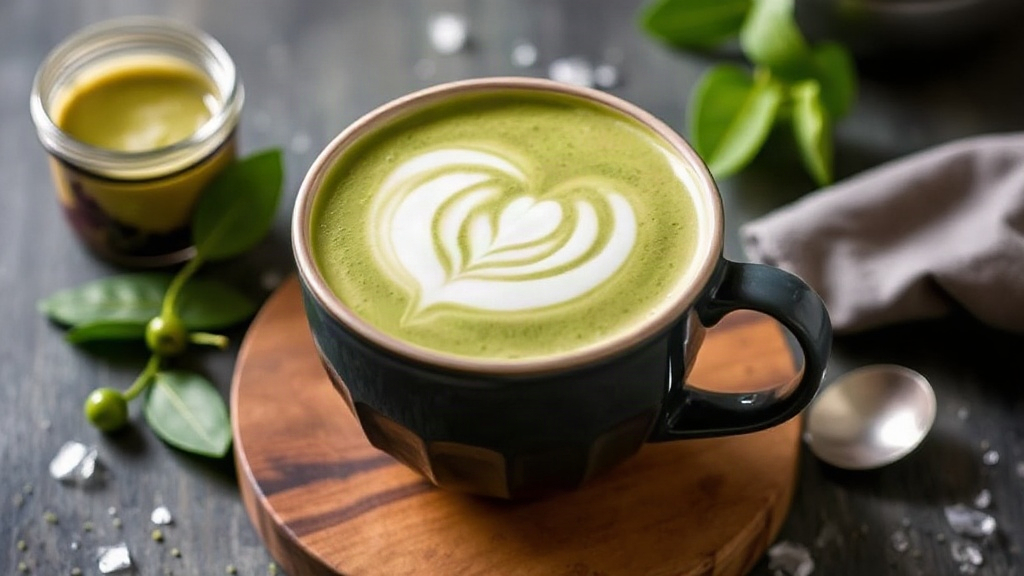
Matcha lattes have become increasingly popular in recent years, captivating coffee and tea lovers alike with their vibrant green color and unique flavor profile. Made from finely ground green tea leaves, matcha is not only visually appealing but also comes packed with health benefits. This beverage offers a delightful alternative to traditional coffee drinks, providing a calm energy boost without the jitters often associated with caffeine. Whether you are looking to enhance your morning routine or simply enjoy a cozy afternoon treat, preparing a matcha latte at home can be both satisfying and rewarding.
In addition to its aesthetic appeal, matcha contains high levels of antioxidants, particularly catechins, which are known for their health-promoting properties. These antioxidants can help combat oxidative stress, support metabolic health, and even improve skin quality. Furthermore, the process of making a matcha latte can be therapeutic, as it encourages mindfulness and takes you through a ritual that has been cherished for centuries. By learning how to create this delicious drink at home, you can tailor it to your taste preferences and enjoy a café-quality beverage without having to leave your kitchen.
As we delve into the various aspects of making a matcha latte, you will learn about the essential ingredients, tools required for preparation, and some tips to elevate your drink. Whether you prefer it hot or iced, sweetened or unsweetened, there is a method to suit every palate. So, gather your ingredients, and let’s explore the delightful world of matcha lattes together!
Essential Ingredients for a Perfect Matcha Latte
To create a delicious and satisfying matcha latte, you will need a few basic ingredients. First and foremost, the star of the show is, of course, high-quality matcha powder. When selecting matcha, look for ceremonial grade matcha, which is vibrant green and has a fine texture, ensuring a smooth drink. The quality of the matcha you use can significantly influence the taste and overall experience of your latte. Additionally, you will need hot water, typically around 175°F (80°C), to dissolve the matcha powder properly.
In addition to matcha and water, you will want to add a milk of your choice. Popular options include almond milk, oat milk, or traditional dairy milk, all of which can create a creamy texture when frothed. Sweeteners such as honey, agave syrup, or maple syrup can enhance the flavor, but they are entirely optional based on your preference. Finally, a pinch of salt can help balance the flavors and elevate the overall taste of your matcha latte.
To summarize, the essential ingredients for making a matcha latte include: high-quality matcha powder, hot water, milk (your choice), and optional sweeteners. Each of these components plays a vital role in achieving the perfect balance of flavor and texture in your drink. As you experiment with different brands and types of ingredients, you may discover your ideal combination that satisfies your taste buds.
The quality of matcha powder is crucial for a delicious latte experience; always opt for ceremonial grade for the best flavor.
Tools You Need for Preparation
In addition to the ingredients, having the right tools can significantly enhance your matcha-making experience. One essential item is a matcha whisk, also known as a chasen. This bamboo whisk is designed specifically to froth matcha powder with water, creating a smooth and lump-free mixture. If you do not have a chasen, a small frother or even a regular whisk can work in a pinch, although the results may vary.
A matcha bowl, or chawan, is another useful tool that can contribute to the authenticity of your matcha latte preparation. While a standard bowl can suffice, using a traditional chawan allows for a larger surface area, which helps the matcha to mix more thoroughly. Furthermore, a fine mesh sieve can be used to sift the matcha powder before mixing, ensuring a smoother latte and reducing the chance of clumping.
Finally, a milk frother or a small saucepan is needed to heat and froth your milk. If you prefer a cold matcha latte, a blender can be used to mix the matcha with milk and ice, creating a refreshing beverage perfect for warmer days. In summary, the essential tools for preparing a matcha latte include a matcha whisk, matcha bowl, fine mesh sieve, and milk frother or saucepan.
Using the right tools, such as a bamboo whisk, can improve the texture and flavor of your matcha latte significantly.
The Step-by-Step Process of Making a Matcha Latte
Now that you have gathered your ingredients and tools, it’s time to dive into the step-by-step process of making your matcha latte. Begin by measuring out about one to two teaspoons of matcha powder and place it in your matcha bowl. If you want a smoother latte, it’s a good idea to sift the matcha powder to eliminate any clumps. Next, add about two ounces of hot water to the bowl, ensuring that the water is not boiling, as this can damage the delicate flavor of the matcha.
Using your matcha whisk, gently whisk the matcha and water together in a zigzag motion until the mixture becomes frothy and well combined. This should take about 30 seconds to a minute. Once you achieve a smooth texture without any lumps, set the bowl aside. Now, in a separate container, heat your milk of choice until steaming but not boiling. If you prefer a cold latte, you can skip this step and go straight to blending your milk with ice.
After your milk is heated, use a milk frother to create a creamy foam, which adds an inviting texture to your latte. If you’re using a blender, combine the milk and matcha mixture, adding sweeteners if desired. Blend until smooth and frothy. Finally, pour the matcha mixture into a glass or cup, and top with your frothed milk. For an extra touch, you can sprinkle some matcha powder on top or add a drizzle of honey for sweetness. Enjoy your homemade matcha latte!
Variations and Customizations
One of the most delightful aspects of making a matcha latte is the endless possibilities for customization. You can adjust the sweetness, creaminess, and even flavors to create a drink that suits your personal taste. For those who enjoy a little spice, consider adding a dash of cinnamon or a splash of vanilla extract to your latte. These additions can provide a unique twist that elevates the standard matcha flavor.
If you’re looking for a more indulgent experience, try incorporating chocolate. A scoop of cocoa powder or a chocolate syrup can transform your matcha latte into a decadent treat. Alternatively, for those who prefer a fruity touch, blending in some fresh berries or adding fruit syrups can create a refreshing, tangy twist to the classic drink.
For a healthier option, consider using nut-based or non-dairy milks, which can cater to various dietary preferences, including vegan options. Oat milk, for instance, provides a rich, creamy texture that complements matcha perfectly. Additionally, experimenting with the ratio of matcha to milk allows you to find your ideal balance; some may prefer a stronger matcha flavor, while others might enjoy a creamier, milk-forward drink.
Pros and Cons
- Pros:
- Matcha lattes offer a unique flavor profile that is both earthy and sweet, making them a delightful alternative to traditional coffee drinks.
- They are rich in antioxidants, which can support overall health and wellness by combating oxidative stress.
- Preparing matcha lattes at home allows for complete customization, enabling you to tailor the drink to your specific tastes and dietary needs.
- The ritual of making a matcha latte can be a calming and meditative experience, promoting mindfulness.
- Cons:
- Some individuals may find the flavor of matcha to be an acquired taste, which may not appeal to everyone initially.
- High-quality matcha can be expensive, making it less accessible for those on a budget.
- Without the proper technique, it can be challenging to achieve the desired frothy texture and flavor, leading to a less enjoyable experience.
While matcha lattes offer numerous benefits, including a unique flavor and health advantages, there are also potential drawbacks such as cost and the learning curve associated with preparation. Overall, the pros often outweigh the cons, especially for those who enjoy experimenting with flavors and creating their own beverages at home.
Frequently Asked Questions
- What is the best type of matcha for lattes?
Ceremonial grade matcha is considered the best choice for lattes due to its vibrant color, fine texture, and smooth flavor. It typically has less bitterness compared to culinary grade matcha, making it more enjoyable in lattes.
- Can I make a matcha latte without a whisk?
Yes, while a traditional whisk is ideal, you can use a small frother or even a regular whisk to mix the matcha. In a pinch, a blender can also effectively combine the ingredients, although it may not achieve the same frothy texture.
- How can I sweeten my matcha latte?
You can sweeten your matcha latte with various options such as honey, agave syrup, maple syrup, or even sugar. Adjust the amount based on your taste preference, and feel free to experiment with different sweeteners.
- Is matcha latte healthy?
Yes, matcha lattes can be quite healthy, as they are rich in antioxidants, vitamins, and minerals. However, the health benefits can be influenced by the ingredients you choose to include, such as the type of milk or sweeteners.
- Can I make a matcha latte iced?
Absolutely! To make an iced matcha latte, simply prepare the matcha as directed and then pour it over ice. You can also blend it with ice and milk for a refreshing, slush-like version.
Conclusion
In conclusion, mastering the art of making a matcha latte at home is not only a rewarding endeavor but also a delicious way to enjoy a healthy beverage. By selecting high-quality ingredients, utilizing the right tools, and following a straightforward process, you can create a delightful drink that suits your taste preferences. Whether you prefer it hot or iced, sweetened or unsweetened, the possibilities for customization are endless. Embrace the calming ritual of preparing your matcha latte, and enjoy the numerous health benefits it offers. With a little practice, you’ll be able to create café-quality drinks right in your own kitchen, impressing yourself and others with your newfound skills.
