
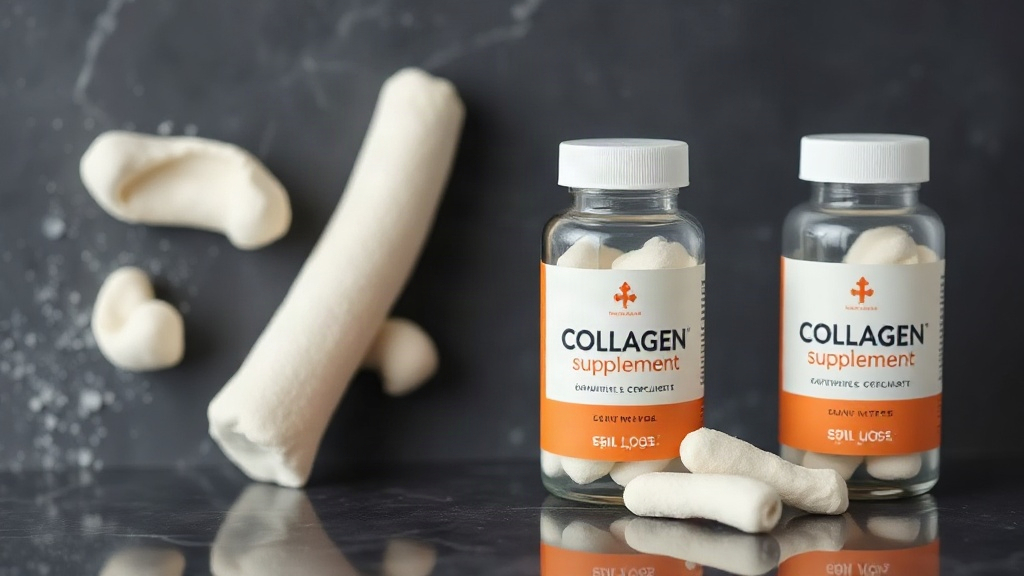
In today’s health-conscious world, the demand for effective nutritional supplements has surged, particularly among women. One such supplement that has gained significant popularity is collagen. As a vital protein in the body, collagen plays a crucial role in maintaining skin elasticity, joint health, and overall vitality. By understanding the benefits and applications of collagen supplements, women can make informed decisions about their health and wellness routines.
Collagen is not just a trend; it’s a fundamental protein that constitutes a large part of our skin, bones, muscles, and connective tissues. As women age, the natural production of collagen decreases, leading to visible signs of aging such as wrinkles, sagging skin, and joint discomfort. This decline often begins in the 20s and accelerates in the 30s and beyond, making supplementation an appealing option for those looking to counteract these effects. Incorporating collagen into one’s diet can support skin hydration, improve elasticity, and contribute to a more youthful appearance.
Moreover, collagen supplements are not limited to beauty benefits. They also support joint health, which is critical for maintaining an active lifestyle. Many women experience joint pain or stiffness, especially as they age or engage in regular physical activities. By integrating collagen into their daily regimen, women can potentially reduce discomfort and enhance their mobility. This comprehensive approach to health and beauty makes collagen supplements an essential consideration for women of all ages.
Understanding Collagen Types and Sources
To fully appreciate the benefits of collagen supplements, it is essential to understand the various types of collagen and their sources. There are at least 16 different types of collagen, but the majority of supplements focus on types I, II, and III. Type I collagen is the most abundant in the body and is primarily found in skin, tendons, and bones. This type is crucial for skin elasticity and strength, making it a popular choice for beauty-focused supplements.
Type II collagen is predominantly found in cartilage and is vital for joint health. Supplements containing type II collagen are often recommended for individuals experiencing joint pain or stiffness, making them beneficial for active women or those with arthritis. Type III collagen is often found alongside type I and plays a supportive role in skin and blood vessel health. Understanding these types can help women choose the right supplement for their specific needs.
Type I collagen is crucial for maintaining skin elasticity and strength, while type II is essential for joint health.
Collagen supplements are derived from various sources, including bovine (cow), porcine (pig), chicken, and marine (fish) sources. Bovine collagen typically contains a higher concentration of types I and III, making it ideal for skin and beauty applications. Marine collagen, on the other hand, is known for its superior absorption and is often favored for its potential skin benefits. Women should consider dietary restrictions and preferences when choosing a collagen source to ensure it aligns with their lifestyle.
Benefits of Collagen Supplements for Women
The benefits of incorporating collagen supplements into a daily regimen are extensive. One of the primary advantages is the enhancement of skin health. Studies have shown that collagen supplementation can significantly improve skin hydration, elasticity, and overall appearance. Women may notice a reduction in the visibility of fine lines and wrinkles, leading to a more youthful complexion.
In addition to skin benefits, collagen supports joint health. Regular supplementation can help alleviate joint pain and stiffness, particularly in women who are active or those who have experienced joint injuries. This support is crucial for maintaining an active lifestyle and preventing conditions like osteoarthritis that can hinder mobility.
Regular collagen supplementation can help alleviate joint pain and stiffness, enhancing mobility and overall quality of life.
Another notable benefit of collagen is its ability to support hair and nail health. Many women report stronger, shinier hair and less brittle nails after incorporating collagen into their routines. This can be particularly beneficial for women experiencing hair thinning or nail breakage due to aging or other factors. The comprehensive benefits of collagen make it an appealing option for holistic health and beauty approaches.
Choosing the Right Collagen Supplement
When selecting a collagen supplement, it’s important for women to consider several factors. First, the form of collagen—powder, capsule, or liquid—can influence convenience and absorption. Powders can be easily mixed into smoothies or beverages, while capsules offer a straightforward option for on-the-go supplementation. Liquids may provide rapid absorption but can be less convenient for some users.
Another critical aspect to consider is the type of collagen. Women should select a supplement that aligns with their specific health goals. For skin benefits, a product high in types I and III is recommended, while those seeking joint support should look for type II. Additionally, checking for third-party testing and quality certifications can ensure that the product is safe and effective.
Lastly, it’s essential to consider the additional ingredients in the supplement. Some collagen products are enriched with vitamins and minerals, such as vitamin C, which plays a vital role in collagen synthesis. Others may include hyaluronic acid or biotin, further promoting skin hydration and overall health. Understanding these factors can help women make informed choices when selecting a collagen supplement.
Incorporating Collagen into Your Daily Routine
Incorporating collagen supplements into a daily routine can be both simple and enjoyable. Many women find success by adding collagen powder to their morning smoothies or coffee, enhancing their nutritional intake without altering their usual meals. This method allows for easy integration while providing a delicious boost of nutrients.
Another effective strategy is to use collagen in cooking. Collagen powder can be added to soups, stews, or baked goods without affecting the taste. This versatility makes it easy to reap the benefits of collagen while maintaining a varied diet. Additionally, women can explore different flavors of collagen supplements to find one that suits their palate.
Adding collagen powder to smoothies or cooking can enhance nutritional intake seamlessly.
Consistency is key when it comes to seeing the benefits of collagen supplementation. Women should aim to take their chosen supplement daily, allowing time for their bodies to respond to the added collagen. Many users report noticeable improvements in skin, hair, and joint health within a few weeks to months of regular use.
Pros and Cons
- Pros:
- Supports skin elasticity and hydration, leading to a more youthful appearance.
- Promotes joint health by reducing pain and stiffness, enhancing mobility.
- Strengthens hair and nails, contributing to overall beauty.
- Variety of sources and forms available, catering to different dietary preferences.
- Cons:
- Some individuals may experience digestive discomfort or allergic reactions.
- Quality and efficacy can vary significantly between brands.
- Collagen supplements may not provide immediate results, requiring patience.
In weighing the pros and cons, it is essential to recognize that while collagen supplements offer numerous benefits, they may not be suitable for everyone. Women should consider their individual health needs and consult with a healthcare professional if necessary. The potential for improved skin, joint, and hair health can be compelling, but it is crucial to approach supplementation thoughtfully.
Frequently Asked Questions
- What are the best sources of collagen for women?
Some of the best sources of collagen include bovine, porcine, chicken, and marine sources. Bovine collagen is rich in types I and III, making it excellent for skin health, while marine collagen is known for its superior absorption and effectiveness.
- How long does it take to see results from collagen supplements?
Results can vary, but many users begin to notice improvements in skin elasticity and hydration within 4 to 8 weeks of consistent use. Joint pain relief may also take a similar timeframe.
- Are there any side effects associated with collagen supplements?
While collagen supplements are generally considered safe, some individuals may experience minor digestive discomfort or allergic reactions. It’s advisable to start with a lower dose to assess tolerance.
- Can collagen supplements replace a healthy diet?
Collagen supplements should complement a balanced diet rich in nutrients. They are not a substitute for whole foods but can enhance your overall nutrition strategy.
- Is it necessary to take collagen with vitamin C?
While not strictly necessary, taking collagen with vitamin C can enhance its effectiveness since vitamin C plays a crucial role in collagen synthesis. Many supplements include vitamin C for this reason.
Conclusion
In summary, collagen supplements can provide a multitude of benefits for women, enhancing skin health, joint function, and overall vitality. By understanding the various types of collagen, their sources, and the importance of consistent supplementation, women can make informed choices that align with their health goals. Whether through powders, capsules, or liquids, there are versatile options to suit individual preferences. As with any supplement, it’s essential to consider personal health needs and consult with a healthcare provider if needed. Embracing collagen as part of a holistic health strategy can lead to noticeable improvements in beauty and well-being.
