
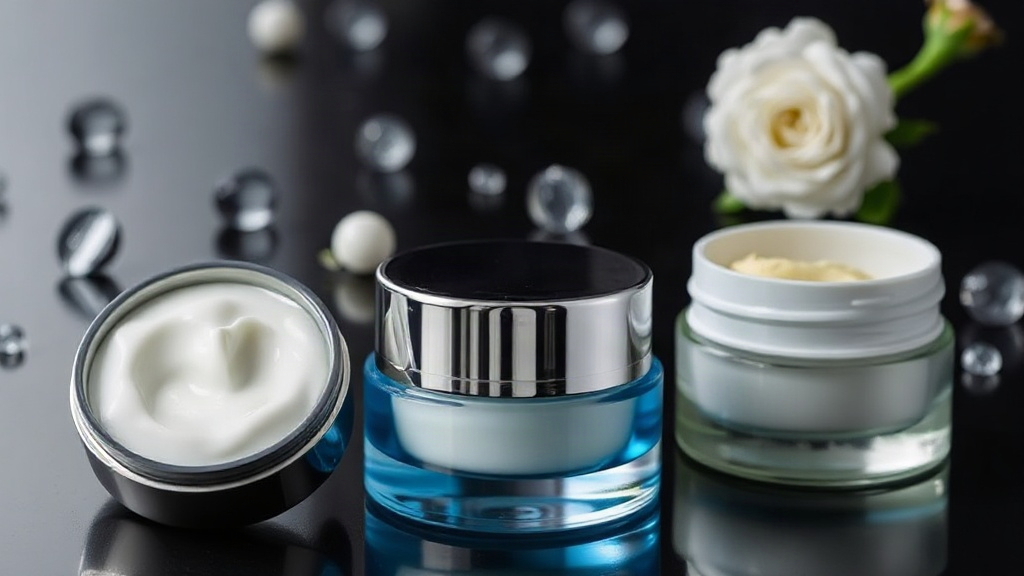
In recent years, the skincare industry has seen a significant surge in the popularity of products containing collagen. These creams are often marketed as miracle solutions for achieving youthful and radiant skin. As we age, the natural production of collagen in our bodies declines, leading to visible signs of aging, such as wrinkles and sagging skin. This has led many consumers to seek out face creams that promise to replenish collagen levels and restore skin vitality.
The allure of collagen-infused face creams lies in their potential to enhance skin elasticity, firmness, and overall texture. Many individuals are drawn to these products not only for their purported anti-aging properties but also for their ability to hydrate and nourish the skin. As a result, a myriad of options are available on the market, each claiming to deliver exceptional results. However, with so many choices, it can be challenging to determine which products are truly effective and which are simply marketing hype.
Understanding the science behind collagen and how these creams work is essential for making informed choices. Collagen, a protein that provides structure and support to the skin, is crucial for maintaining its youthful appearance. While topical application of collagen may not directly increase its levels in the skin, many formulations include ingredients that can stimulate collagen production or help retain moisture. This article will delve deeper into the benefits of using collagen-based face creams, how they work, and what to look for when selecting the right product for your skincare routine.
Understanding Collagen and Its Role in Skincare
Collagen is the most abundant protein in the human body, making up a significant portion of our skin, muscles, bones, and connective tissues. In skincare, collagen is celebrated for its ability to provide firmness and elasticity. As we age, the natural synthesis of collagen slows down, leading to a decrease in skin volume and an increase in fine lines and wrinkles. Therefore, incorporating products that support collagen health is vital for maintaining youthful skin.
Many face creams on the market today contain hydrolyzed collagen, a form of collagen that has been broken down into smaller peptide chains. This smaller size allows for better absorption into the skin. While it is debated whether topical collagen can effectively penetrate the skin barrier, the presence of these ingredients can still provide hydration and may encourage the skin to produce its collagen. Furthermore, products that combine collagen with other beneficial ingredients, such as hyaluronic acid and peptides, can enhance overall skin health.
Research indicates that collagen supplementation, either through topical application or ingestion, can improve skin elasticity and hydration, leading to a more youthful appearance.
When considering a collagen-based cream, it’s essential to look for formulations that include additional active ingredients. Ingredients like retinol, vitamin C, and antioxidants can work synergistically with collagen to promote skin renewal and enhance overall skin texture. The right combination can lead to significant improvements in skin appearance, making it crucial to understand the product’s formulation.
Choosing the Right Collagen Cream for Your Skin Type
Selecting the perfect face cream with collagen requires an understanding of your unique skin type and concerns. For individuals with dry skin, a rich, creamy formula that includes moisturizing ingredients like shea butter or glycerin can help lock in hydration while delivering collagen benefits. On the other hand, those with oily or combination skin may prefer lighter, gel-based formulations that provide hydration without clogging pores.
For sensitive skin, it is crucial to opt for products that are free from harsh chemicals and fragrances. Look for collagen creams that are labeled as hypoallergenic or formulated specifically for sensitive skin. Ingredients like aloe vera and chamomile can provide soothing effects while supporting the skin’s natural barrier. It’s also advisable to perform a patch test before fully incorporating a new product into your routine to avoid adverse reactions.
Additionally, consider the age and specific skin concerns when choosing a product. Younger individuals may benefit from collagen creams focused on hydration and prevention, while mature skin may require more intensive formulations that target existing signs of aging. Understanding one’s skin type and concerns is vital for selecting the most effective product.
The Benefits of Using Collagen-Infused Creams
Incorporating collagen-infused creams into your skincare routine can provide numerous benefits beyond just addressing signs of aging. One of the most notable advantages is enhanced skin hydration. Many collagen creams are formulated with humectants that attract moisture to the skin, resulting in a plump and radiant complexion. This is particularly beneficial for those living in dry climates or experiencing seasonal changes that can lead to dehydration.
Another significant benefit of these creams is their potential to improve skin texture. Regular use can lead to smoother skin, reducing the appearance of fine lines and enhancing overall skin tone. Many users report feeling more confident and satisfied with their skin after incorporating collagen into their daily regimen. This psychological boost can be just as important as the physical benefits, as healthy, vibrant skin often correlates with improved self-esteem.
Studies have shown that consistent use of collagen-based products can lead to an increase in skin elasticity by up to 30% over a period of several weeks.
Furthermore, collagen creams can be an effective adjunct to other skincare treatments. They can be layered under sunscreen or makeup, providing a smooth base and additional hydration throughout the day. This versatility makes collagen creams a valuable addition to any skincare routine, regardless of age or skin type.
Potential Drawbacks to Consider
While the benefits of collagen-infused creams are numerous, it’s essential to consider any potential drawbacks. One of the primary concerns is the cost of these products. High-quality collagen creams can be significantly more expensive than standard moisturizers. However, many users find the investment worthwhile due to the visible improvements in their skin’s appearance and texture.
Another consideration is the effectiveness of collagen when applied topically. Some experts argue that collagen molecules are too large to penetrate the skin effectively. Instead, they suggest that the focus should be on ingredients that boost the skin’s natural collagen production rather than relying solely on topical applications. This viewpoint emphasizes the importance of product formulation and the inclusion of complementary ingredients.
Finally, it’s crucial to be aware of potential allergies or sensitivities to ingredients in collagen creams. Some formulations may contain allergens or irritants that could lead to breakouts or redness. Always read ingredient labels carefully and consult with a dermatologist if unsure about a product’s suitability for your skin.
Frequently Asked Questions
- What is the best age to start using collagen creams?
While there is no definitive age to start using collagen creams, many experts recommend beginning in your late 20s to early 30s. This is when natural collagen production begins to decline. Early use can help maintain skin elasticity and prevent signs of aging.
- Can collagen creams replace my moisturizer?
Collagen creams can provide hydration and support skin elasticity, but they should not completely replace your moisturizer. It’s best to layer a collagen cream under your regular moisturizer for optimal hydration and benefits.
- Are there any side effects of using collagen creams?
Generally, collagen creams are safe for most skin types. However, some individuals may experience allergic reactions or irritation from certain ingredients. Always perform a patch test before full application, especially if you have sensitive skin.
- How long does it take to see results from collagen creams?
Results can vary depending on the individual and the specific product used. Many users report visible improvements in skin texture and hydration within a few weeks of consistent use. However, for significant changes in elasticity and firmness, it may take several months.
- Can I use collagen creams along with other skincare treatments?
Yes, collagen creams can be effectively integrated into most skincare routines. They can complement other treatments, such as serums and sunscreens, enhancing overall skin health and appearance.
Conclusion
In conclusion, incorporating face creams containing collagen into your skincare routine can provide numerous benefits, including improved hydration, enhanced skin texture, and a more youthful appearance. Understanding the role of collagen in maintaining skin health is essential for making informed choices about which products to use. By selecting the right formulation for your skin type and concerns, you can maximize the benefits of these creams and enjoy healthier, more radiant skin. As with any skincare product, consistency is key, and it may take time to see the desired results. Ultimately, the right collagen-infused cream can be a valuable addition to any skincare regimen, helping to combat the visible signs of aging and promote a vibrant complexion.
