
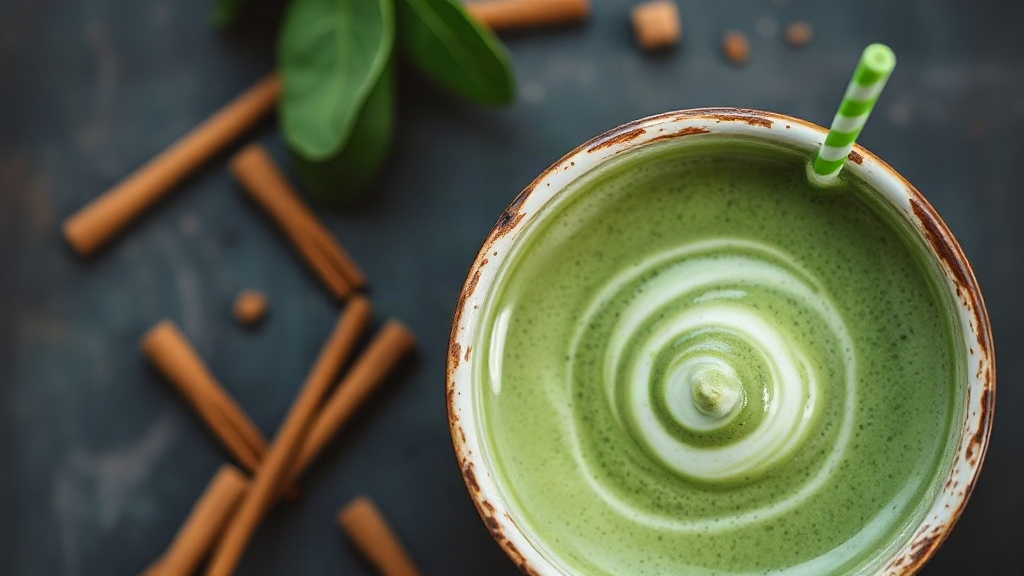
Matcha, a finely ground powder made from specially grown green tea leaves, has surged in popularity due to its numerous health benefits. Many people are drawn to this beverage for its unique flavor, vibrant green color, and the energy boost it provides. However, one question that often arises is whether consuming matcha can lead to digestive changes, particularly increased bowel movements. Understanding the effects of matcha on the digestive system is crucial for those considering integrating it into their daily routine.
Incorporating matcha into one’s diet can have various effects on the body, and its impact on digestion is one area of interest. The potential for matcha to stimulate bowel movements could be attributed to its caffeine content and the presence of certain compounds. As with any food or drink, individual responses can vary significantly, making it essential to explore the science behind matcha and its effects on digestion.
This article aims to provide a comprehensive overview of how matcha may influence bowel movements. By delving into its components, potential effects on digestion, and personal experiences of matcha drinkers, we can better understand the relationship between this popular beverage and digestive health. Whether you are a long-time matcha enthusiast or considering trying it for the first time, this information will equip you with valuable insights.
Understanding Matcha and Its Components
Matcha is not just any green tea; it is made from young tea leaves that are shade-grown for several weeks before harvest. This process enhances the chlorophyll content, giving matcha its distinctive green hue and rich nutrient profile. One of the key components of matcha is catechins, a type of antioxidant that has been linked to various health benefits. Studies suggest that these antioxidants may help improve metabolism and support overall digestive health.
Another important aspect of matcha is its caffeine content. While matcha contains caffeine, the amount is generally lower than that found in coffee. However, it is worth noting that caffeine can act as a stimulant for the digestive system, potentially leading to increased bowel activity. This means that for some individuals, drinking matcha might encourage more frequent trips to the bathroom, especially if consumed in larger quantities.
Additionally, matcha contains a compound called L-theanine, known for its calming effects. This amino acid can help counterbalance the stimulating effects of caffeine, leading to a more focused and alert feeling without the jitteriness often associated with coffee. The combination of these compounds in matcha may influence digestive health in multifaceted ways, making it essential to consider individual reactions when assessing its impact.
The unique composition of matcha, including catechins and L-theanine, may play a significant role in its effects on digestion.
Potential Effects of Matcha on Digestion
For many, consuming matcha can lead to a noticeable change in digestive regularity. Some individuals report that drinking matcha promotes more frequent bowel movements, which can be attributed to its caffeine content and the presence of dietary fiber in the tea leaves. The fiber in matcha may help to support healthy gut function by promoting regularity and aiding in the movement of waste through the digestive tract.
Moreover, matcha has been linked to improved metabolic functions, which can also influence digestion. A study published in the “American Journal of Clinical Nutrition” highlighted that green tea, including matcha, could enhance fat oxidation and improve metabolic rates. This acceleration of metabolism might lead to quicker digestion, resulting in more frequent bowel movements for some users.
It is important to consider that everyone’s body reacts differently to matcha. While some may find that it increases their digestive activity, others may not experience any significant changes. Factors such as individual metabolism, overall diet, and sensitivity to caffeine can all play a role in how matcha affects bowel movements.
How to Incorporate Matcha into Your Diet Safely
If you are considering adding matcha to your diet, it is essential to do so mindfully. Start with small amounts, perhaps one teaspoon or a small cup, to gauge your body’s response. This approach allows individuals to observe how their digestive system reacts without overwhelming it. Gradually increasing the quantity can help minimize any potential digestive discomfort.
Additionally, pairing matcha with food can help mitigate any potential issues. Consuming matcha alongside a meal can slow down its absorption and may lead to a more balanced digestive experience. Furthermore, incorporating high-fiber foods into your diet can complement the digestive benefits of matcha, promoting regularity and overall gut health.
Staying hydrated is also crucial when consuming matcha. Adequate water intake can aid digestion and help prevent any potential side effects, such as increased acidity or gastrointestinal upset. Listening to your body and adjusting your matcha intake based on how you feel can lead to a positive experience with this beverage.
Starting with small amounts of matcha and gradually increasing can help individuals monitor their digestive responses effectively.
Personal Experiences with Matcha and Digestion
Many individuals have shared their experiences with matcha, particularly regarding its effects on digestion. Some users report that incorporating matcha into their daily routine has led to improved digestion and regular bowel movements. They often cite the energizing effects of matcha as a beneficial factor, allowing them to feel more alert and focused throughout the day.
Conversely, some people may experience mild digestive discomfort, especially if they consume matcha on an empty stomach or in large quantities. This discomfort can manifest as bloating or a laxative effect, emphasizing the importance of moderation when consuming matcha. Individual tolerance levels can vary widely, and what works for one person may not work for another.
It is also worth noting that the quality of matcha can influence its effects. Higher-quality, ceremonial-grade matcha is often more potent and may lead to more pronounced effects on digestion compared to lower-quality options. Therefore, selecting a reputable source for matcha is crucial for those looking to maximize its health benefits.
Pros and Cons of Drinking Matcha
- Pros:
- Rich in antioxidants, particularly catechins, which can help reduce inflammation and improve overall health.
- May enhance metabolic rates, potentially leading to weight management and improved digestion.
- Contains L-theanine, which can promote relaxation and mental clarity without the jitters associated with caffeine.
- Can be easily incorporated into various recipes, allowing for versatile consumption options.
- Cons:
- May lead to digestive discomfort for some individuals, especially those sensitive to caffeine.
- Excessive consumption can result in increased bowel movements, which may not be desirable for everyone.
- Quality varies widely; lower-quality matcha may not provide the same health benefits as higher-quality options.
When weighing the pros and cons of matcha, it is clear that this beverage has both potential benefits and drawbacks. While it can offer significant health advantages, particularly concerning digestion and metabolism, individuals must also consider their personal tolerance and any adverse effects they may experience. Moderation and quality selection play vital roles in ensuring that matcha is a positive addition to one’s diet.
Frequently Asked Questions
- Can matcha cause diarrhea?
For some individuals, consuming matcha can lead to diarrhea or loose stools, particularly if they are sensitive to caffeine or consume it in large amounts. The laxative effect can vary based on individual tolerance, so it is essential to monitor how your body reacts.
- How much matcha should I drink daily?
A common recommendation is to consume 1-2 teaspoons of matcha daily, which is approximately 1-2 cups. However, individual tolerance levels may necessitate adjustments based on personal experience and digestive responses.
- Is matcha good for gut health?
Yes, matcha contains antioxidants and dietary fiber, which can contribute positively to gut health. These components may support regular bowel movements and overall digestive wellness when incorporated into a balanced diet.
- Can I drink matcha on an empty stomach?
While some people can tolerate drinking matcha on an empty stomach, others may experience digestive discomfort. It is often recommended to pair matcha with food to minimize any potential negative effects.
- What is the best time to drink matcha?
The best time to drink matcha varies per individual. Many prefer consuming it in the morning for an energy boost, while others find it beneficial in the afternoon as a pick-me-up. Listening to your body can help determine the optimal time for you.
Conclusion
In conclusion, the relationship between matcha and digestive health is multifaceted, with both potential benefits and drawbacks. This vibrant green beverage, rich in antioxidants and caffeine, may stimulate bowel movements and enhance metabolic functions. However, individual responses can vary widely, making it essential to consume matcha mindfully and in moderation. Whether you are drawn to matcha for its health benefits, unique flavor, or energy-boosting properties, understanding its effects on digestion will help you make informed choices. By incorporating matcha thoughtfully into your diet, you can enjoy its many benefits while minimizing any adverse effects.
