
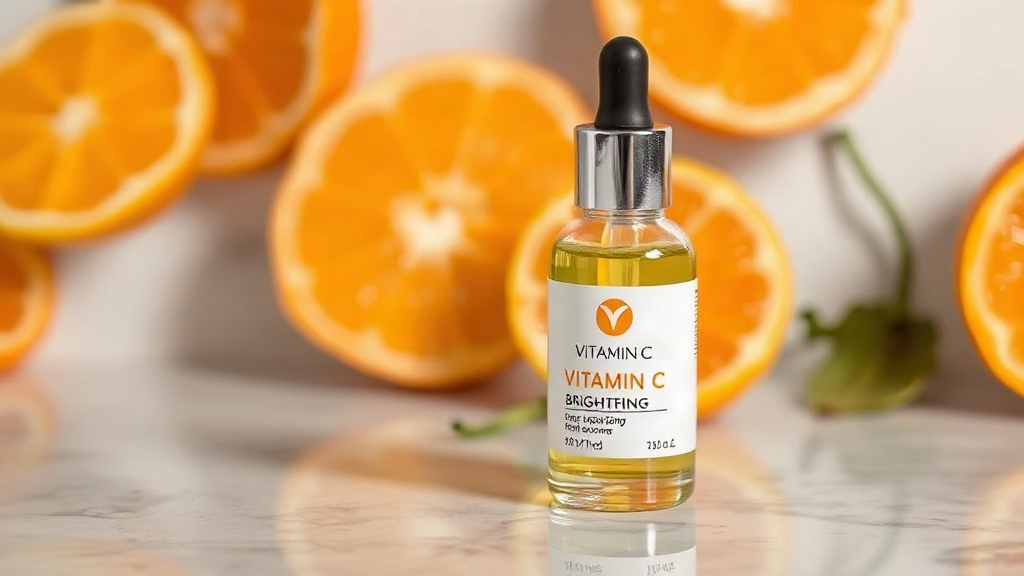
The quest for radiant and glowing skin has led many individuals to explore various skincare products, among which serums have gained significant popularity. One such product that stands out in the realm of skincare is the brightening serum enriched with vitamin C. This remarkable ingredient has garnered attention for its potential to enhance skin luminosity, reduce dark spots, and promote an even skin tone. As awareness about the benefits of vitamin C continues to grow, more people are incorporating this powerful antioxidant into their skincare routines.
Vitamin C is not just a nutrient found in citrus fruits but a potent skincare ingredient that offers numerous benefits. Its antioxidant properties help combat free radicals, which are responsible for premature aging and skin damage. With consistent use, a vitamin C brightening serum can help boost collagen production, leading to firmer and more youthful-looking skin. Furthermore, its ability to inhibit melanin production makes it an effective solution for hyperpigmentation and uneven skin tone.
For those looking to improve their complexion and achieve a brighter appearance, understanding how to integrate a vitamin C serum into their regimen is essential. From choosing the right formulation to knowing the best application methods, this article will delve into the vital aspects of brightening serums infused with vitamin C, offering insights that can help users maximize their skincare results.
Understanding the Benefits of Vitamin C for Skin Health
Vitamin C is renowned in the skincare industry for its multitude of benefits. One of the most significant advantages is its ability to act as a potent antioxidant, neutralizing harmful free radicals that can lead to skin aging and damage. By fighting these free radicals, vitamin C helps maintain skin elasticity and firmness. Additionally, it plays a crucial role in collagen synthesis, a protein that is essential for maintaining the skin’s structure and appearance. With increased collagen levels, the skin appears plumper and more youthful.
Moreover, vitamin C is effective in brightening the complexion. It works by inhibiting the enzyme tyrosinase, which is responsible for melanin production in the skin. By doing so, it can help reduce the appearance of dark spots, hyperpigmentation, and uneven skin tone. Users may notice a more uniform and radiant complexion with consistent application of a brightening serum containing this powerful ingredient.
Furthermore, the hydrating properties of vitamin C serums can enhance the skin’s moisture barrier, leading to improved hydration levels. This is particularly beneficial for individuals with dry or dehydrated skin, as it helps to maintain a healthy and glowing appearance. In essence, incorporating a vitamin C brightening serum into a daily skincare routine can yield transformative results, making it a staple for anyone looking to improve their skin health.
Vitamin C is a powerful antioxidant that helps protect the skin from environmental stressors while promoting a brighter and more youthful complexion.
How to Choose the Right Vitamin C Serum
Selecting the right vitamin C serum can be a daunting task, given the plethora of options available on the market. It is essential to consider several factors when making a choice to ensure optimal results. First and foremost, the concentration of vitamin C in the serum can significantly impact its effectiveness. A concentration between 10% to 20% is generally considered effective for most skin types. Higher concentrations may be beneficial for those with specific skin concerns but can also increase the risk of irritation.
In addition to concentration, the formulation of the serum matters. Some serums may combine vitamin C with other beneficial ingredients, such as hyaluronic acid, vitamin E, or ferulic acid, which can enhance its stability and effectiveness. It is advisable to look for serums that use stable forms of vitamin C, such as ascorbic acid or sodium ascorbyl phosphate, as these are known to provide better results. Packaging is another critical aspect; serums in opaque or air-tight containers can help protect the vitamin C from light and air exposure, which can lead to oxidation and reduced efficacy.
Lastly, consider your skin type and any specific concerns you wish to address. For instance, individuals with sensitive skin may benefit from serums that include soothing ingredients to prevent irritation. Conducting a patch test before applying a new product to the entire face can also be a wise precaution to avoid adverse reactions. By taking these factors into account, users can choose a vitamin C serum that aligns with their skincare goals and needs.
Application Tips for Maximum Effectiveness
<pTo achieve the best results from a vitamin C brightening serum, proper application is crucial. Begin with a clean, dry face; cleansing removes impurities and allows the serum to penetrate the skin more effectively. After cleansing, apply the serum while the skin is slightly damp, as this can enhance absorption. A pea-sized amount is usually sufficient for the entire face, and users should gently massage the serum into the skin using upward strokes.
It is also essential to follow up with a moisturizer after applying the serum. This step not only locks in hydration but also helps create a protective barrier over the skin. For daytime use, applying a broad-spectrum sunscreen afterward is vital. Vitamin C can make the skin more sensitive to sunlight, so protecting it from UV rays is essential to prevent damage and maximize the benefits of the serum.
For optimal results, consistency is key. Users should incorporate the serum into their daily routine, applying it in the morning and evening for the best outcomes. Over time, many individuals notice a marked improvement in their skin’s brightness and overall appearance, highlighting the effectiveness of regular use. Remember that skincare is a journey, and patience is necessary to see significant changes.
Potential Side Effects and Precautions
While vitamin C serums are generally well-tolerated, some individuals may experience side effects, particularly if they have sensitive skin. Common reactions include redness, irritation, or a tingling sensation upon application. It is crucial to start with a lower concentration of vitamin C, especially for those new to using active ingredients in their skincare routine. Gradually increasing the concentration can help the skin acclimate without causing excessive irritation.
Another consideration is the formulation of the serum. Certain ingredients may cause sensitivity when combined with vitamin C, such as retinol or alpha hydroxy acids (AHAs). It is advisable to space out the application of these products to minimize the risk of irritation. Additionally, storing the serum in a cool, dry place can help maintain its stability and effectiveness. Exposure to heat or sunlight can lead to oxidation, rendering the product less effective.
Regular use of vitamin C can lead to significant improvements in skin tone and texture, but it’s important to be mindful of potential sensitivities.
Pros and Cons of Using Vitamin C Brightening Serum
- Pros:
- Enhances skin brightness and evens out skin tone, making it a popular choice for individuals with hyperpigmentation.
- Boosts collagen production, contributing to firmer and more youthful-looking skin.
- Offers antioxidant protection against environmental stressors, promoting overall skin health.
- Improves skin hydration levels, leading to a more supple and glowing appearance.
- Cons:
- Some individuals may experience skin irritation or redness, especially with higher concentrations.
- Vitamin C serums can be sensitive to light and air, requiring careful storage to maintain efficacy.
- Results may take time to become noticeable, requiring patience and consistency.
When weighing the pros and cons of using a vitamin C brightening serum, it becomes evident that the benefits often outweigh the drawbacks. While some users may experience mild irritation, many find that the serum significantly enhances their skin’s brightness and overall health. Understanding individual skin types and needs can help mitigate potential side effects, ensuring a positive skincare experience.
Frequently Asked Questions
- What is the best time to apply a vitamin C serum?
The ideal time to apply a vitamin C serum is in the morning. This allows the serum to provide antioxidant protection throughout the day, especially when followed by sunscreen.
- Can I use vitamin C serum with other skincare products?
Yes, vitamin C can be combined with other products, but caution is advised. It’s best to avoid using it simultaneously with strong exfoliants or retinol to prevent irritation.
- How long does it take to see results from a vitamin C serum?
Results can vary, but many users begin to notice improvements in their skin tone and texture within 4 to 6 weeks of consistent use.
- Is vitamin C serum suitable for all skin types?
Generally, vitamin C serum is suitable for all skin types. However, individuals with sensitive skin should start with a lower concentration to assess their skin’s tolerance.
- Can I use vitamin C serum at night?
While it is most commonly used in the morning, vitamin C serum can also be applied at night. However, using it in the morning allows for daytime protection against environmental stressors.
Conclusion
In summary, incorporating a vitamin C brightening serum into a skincare routine can yield significant benefits, including enhanced brightness, improved skin tone, and increased hydration. Understanding the advantages, proper selection, and application methods of these serums is key to unlocking their full potential. While some users may encounter minor side effects, the transformative effects of consistent use make it a worthwhile addition to any skincare regimen. With the right approach, individuals can achieve the radiant and youthful skin they desire through the power of vitamin C.
