
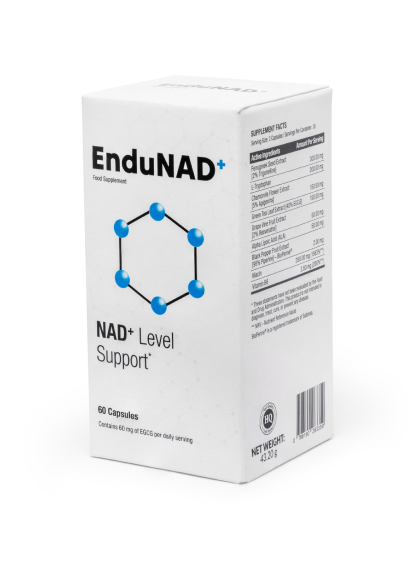
The discussion surrounding cellular energy and metabolism has increasingly highlighted the roles of two key compounds: NMN and NAD+. With both gaining popularity in health circles, individuals often wonder about their differences and respective benefits. Understanding these two components is essential for anyone interested in enhancing their vitality and supporting healthy aging. For those looking to explore products that might help with NAD+ metabolism, they can GET UP TO 20% OFF! on supplements like EnduNAD, which supports these processes.
In the quest for improved health and longevity, NMN (Nicotinamide Mononucleotide) and NAD+ (Nicotinamide Adenine Dinucleotide) have emerged as subjects of interest. NMN is a precursor to NAD+, meaning it is a compound that the body converts into NAD+. This conversion is crucial because NAD+ is vital for energy production, DNA repair, and cell signaling. As one ages, NAD+ levels decline, which has sparked interest in NMN supplementation as a potential way to boost NAD+ levels and, subsequently, energy and vitality.
The interplay between NMN and NAD+ is not just about boosting energy; it also encompasses broader implications for health, particularly in the context of aging. Proper NAD+ levels are linked to various biological processes that influence cellular health and longevity. This article will delve into the nuances of NMN and NAD+, exploring their differences, benefits, and how they can support an active lifestyle.
Understanding NMN and NAD+
Nicotinamide Mononucleotide (NMN) is a nucleotide derived from ribose and nicotinamide. It plays a crucial role in the synthesis of NAD+, effectively acting as a building block. When NMN is ingested, it is converted into NAD+ through a series of enzymatic reactions in the body. This transformation is significant because NAD+ serves numerous essential functions, including facilitating metabolic processes that generate energy within the cell. Specifically, NAD+ is involved in redox reactions that help convert nutrients into usable energy.
On the other hand, NAD+ is an essential coenzyme found in every living cell. It is involved in over 500 enzymatic reactions, which underscores its importance in cellular metabolism. As cells utilize nutrients for energy, NAD+ plays a pivotal role in the electron transport chain, which is critical for ATP production—the energy currency of the cell. Additionally, NAD+ is vital for DNA repair and cellular signaling, making it integral to maintaining overall cellular health.
NAD+ is not merely a metabolic cofactor; it is also essential for processes that govern cell survival and longevity.
The Conversion Process
The process through which NMN is converted into NAD+ is vital for understanding their relationship. Once NMN is ingested, it undergoes a series of transformations before it becomes NAD+. The enzyme nicotinamide adenine dinucleotide synthetase facilitates this conversion. As NAD+ levels rise due to NMN supplementation, several biological benefits may follow, including improved energy metabolism and enhanced cellular repair mechanisms.
Research has suggested that supplementing with NMN can lead to increased NAD+ levels, which may help mitigate some age-related declines in cellular function. This potential has driven interest in NMN as a supplement, especially among those seeking to maintain vitality as they age. The ability to support NAD+ levels through NMN supplementation holds promise for enhancing overall well-being.
Potential Benefits of NMN Supplementation
Supplementing with NMN may offer several benefits, particularly for those concerned about aging and cellular health. Some of these benefits include:
- Enhanced Energy Production: By boosting NAD+ levels, NMN can help improve the efficiency of metabolic processes, leading to increased energy availability for cellular functions.
- Improved DNA Repair: NAD+ is essential for activating enzymes involved in DNA repair. Higher levels of NAD+ may enhance the body’s ability to maintain genetic integrity.
- Better Cellular Communication: NAD+ plays a critical role in cellular signaling, which is necessary for proper intercellular communication and overall cellular health.
- Potential Anti-Aging Effects: Some studies suggest that increasing NAD+ levels can activate sirtuins, proteins that help regulate cellular health and longevity.
The Role of NAD+ in Metabolism
NAD+ is fundamentally important for metabolic processes. It facilitates the transfer of electrons in redox reactions, which are crucial for converting food into energy. In the mitochondria, NAD+ is involved in the Krebs cycle and the electron transport chain, both essential components of cellular respiration. This means that without adequate NAD+ levels, energy production can falter, leading to feelings of fatigue and decreased physical performance.
Moreover, NAD+ is not only important for energy production but also for maintaining mitochondrial function. The mitochondria are often referred to as the powerhouse of the cell, and their efficiency is closely linked to NAD+ availability. Adequate NAD+ levels ensure that mitochondrial processes run smoothly, which is vital for overall cellular health.
NAD+ is essential for sustaining energy levels and supporting the intricate functions of cellular metabolism.
How NAD+ Supports Cellular Health
The importance of NAD+ extends beyond energy metabolism. It is also involved in various cellular processes, including DNA repair, stress response, and cellular signaling. This multifaceted role makes NAD+ a vital component of cellular health. Research indicates that maintaining optimal NAD+ levels can help combat the effects of aging and support longevity.
Additionally, NAD+ is involved in the regulation of sirtuins, a family of proteins that play a key role in cellular health and longevity. Sirtuins are activated by NAD+ and are known to regulate processes such as inflammation, stress resistance, and metabolism. Therefore, adequate levels of NAD+ can help enhance the activity of sirtuins, further supporting overall health and vitality.
Supplementation Considerations
For individuals considering NMN or NAD+ supplementation, it’s important to understand the potential benefits and how they align with personal health goals. While NMN is a promising precursor to NAD+, the choice of supplementation should be based on individual needs and health objectives. Consulting with a healthcare professional can provide personalized guidance on the best approach to supplementation.
Furthermore, the timing and method of supplementation can influence outcomes. For optimal results, some individuals may choose to take NMN in conjunction with a balanced diet rich in nutrients that support NAD+ metabolism, such as vitamins B3 and B6. This comprehensive approach can further enhance the body’s ability to maintain healthy NAD+ levels.
Pros and Cons
- Pros:
- Supports energy production and metabolism by boosting NAD+ levels.
- May enhance DNA repair processes, contributing to cellular health.
- Potentially aids in maintaining vitality as one ages.
- Promotes better mitochondrial function, crucial for overall cellular health.
- Cons:
- Effectiveness can vary from person to person, and not everyone may experience noticeable benefits.
- Long-term safety and effects of high-dose supplementation still require further research.
- Cost can be a factor, as high-quality NMN supplements may be expensive.
When weighing the pros and cons, it is clear that while NMN and NAD+ supplementation can offer significant benefits, they may not be suitable for everyone. Individual responses can vary, and ongoing research continues to explore the long-term implications of such supplements.
Frequently Asked Questions
- What is the primary difference between NMN and NAD+?
NMN is a precursor to NAD+, meaning it is converted into NAD+ within the body. While NMN supplementation can boost NAD+ levels, NAD+ itself is the active coenzyme involved in cellular energy metabolism and various biological processes.
- How does NMN supplementation impact energy levels?
NMN supplementation can enhance energy levels by increasing NAD+ availability, which is crucial for efficient energy production in the mitochondria. This can lead to improved physical performance and reduced fatigue.
- Are there any side effects associated with NMN supplementation?
Generally, NMN supplementation is considered safe, with few reported side effects. However, individuals may experience mild digestive discomfort or slight fluctuations in energy levels, depending on their unique physiology.
- How can NAD+ levels be naturally increased?
NAD+ levels can be naturally supported through a balanced diet rich in foods containing NAD+ precursors, such as niacin (vitamin B3) and tryptophan, as well as regular exercise, sufficient sleep, and stress management practices.
- Is it necessary to supplement with both NMN and NAD+?
While NMN supplementation can effectively raise NAD+ levels, many individuals may find that taking NMN alone suffices. It is important to assess personal health goals and consult a healthcare professional for tailored advice.
Conclusion
In summary, the comparison between NMN and NAD+ reveals significant insights into their roles in cellular metabolism and health. NMN serves as a valuable precursor to NAD+, which is essential for energy production, DNA repair, and overall cellular health. As individuals seek to enhance their vitality and support healthy aging, understanding the nuances of these compounds becomes increasingly important. By considering supplementation options and maintaining a balanced lifestyle, individuals can potentially improve their NAD+ levels, thereby benefiting their overall health and well-being.
