
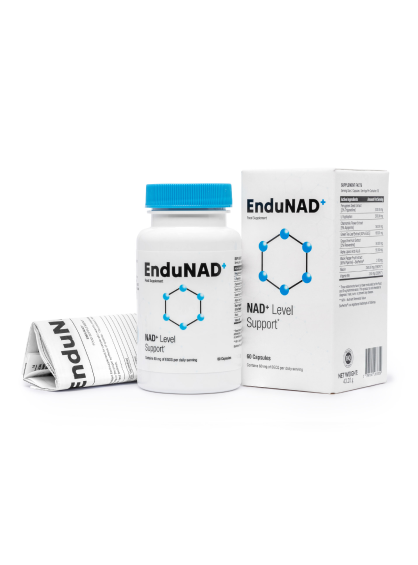
As science progresses, so do the options available for enhancing cellular health and energy metabolism. Among these options, two prominent compounds often compared are niacin and NMN (nicotinamide mononucleotide). Both play significant roles in the metabolism of NAD+ (nicotinamide adenine dinucleotide), a crucial coenzyme involved in various biological processes, including energy production, DNA repair, and cellular signaling. For those looking to boost their NAD+ levels, understanding the differences between these two compounds is essential. In this article, we will explore the effectiveness of niacin compared to NMN, examining whether the more affordable option—niacin—is sufficient for optimal health. For those interested, there are also supplements available that can help support NAD+ metabolism, such as GET UP TO 20% OFF!, which can provide an advanced multi-ingredient formula designed for enhanced cellular energy.
The rise of interest in NAD+ has led to a deeper understanding of how these precursors function in the body. As people become more aware of the importance of cellular health and energy levels, they are increasingly looking for effective supplements that can support their vitality. This growing awareness encompasses the need for affordable yet effective solutions. Niacin and NMN both serve as precursors to NAD+, but they have different pathways and mechanisms of action. By investigating their unique properties, one can determine which option may better suit individual health goals and needs.
In the landscape of dietary supplements, niacin has been a staple for many years, recognized for its role in supporting normal energy metabolism and reducing fatigue. Conversely, NMN has gained popularity more recently, touted for its potent effects on boosting NAD+ levels rapidly. The question remains: Is the cheaper option of niacin a viable substitute for NMN? As we delve into the details, we will consider the scientific evidence supporting each compound’s efficacy, their respective benefits and drawbacks, and how they can fit into a balanced health regimen.
Understanding NAD+ and Its Importance
NAD+ is a coenzyme present in all living cells, crucial for various metabolic processes. It plays a vital role in energy metabolism, allowing cells to convert nutrients into energy effectively. NAD+ is also involved in important cellular functions such as DNA repair and stress responses, which are critical for maintaining overall cellular health.
As individuals age, NAD+ levels tend to decline, which can lead to a decrease in energy levels, impaired cellular function, and a range of age-related health issues. This decline has spurred interest in finding ways to boost NAD+ levels through dietary interventions and supplementation. Both niacin and NMN are considered effective NAD+ precursors, but they operate through different biochemical pathways.
Understanding the mechanism through which these compounds affect NAD+ levels can clarify their roles in health and wellness. Niacin, also known as vitamin B3, is readily available in foods such as meat, fish, and whole grains. It is a well-established nutrient that supports energy metabolism and helps to convert carbohydrates into glucose, which provides energy to the body. NMN, on the other hand, is a nucleotide derived from niacin and serves as a direct precursor to NAD+. It is more expensive than niacin but is believed to enhance NAD+ levels more rapidly.
NAD+ is fundamental for cellular energy metabolism, DNA repair, and cellular signaling.
Comparing Niacin and NMN
When comparing niacin and NMN, it is essential to look at various factors, including their effectiveness, cost, and how they are utilized in the body. Niacin is converted into NAD+ through a series of enzymatic reactions, while NMN is directly converted to NAD+ through a more straightforward pathway. This difference in metabolism can influence how quickly and efficiently each compound raises NAD+ levels in the body.
Research indicates that both compounds can effectively increase NAD+ levels, but they do so at different rates. Studies have shown that NMN supplementation can lead to a rapid increase in NAD+ levels within a short time frame, making it an attractive option for those seeking immediate benefits. In contrast, niacin may take longer to elevate NAD+ levels due to its more complex conversion process. However, niacin’s long history of use and its established safety profile make it a reliable option for many.
Cost is another significant factor when evaluating these compounds. Niacin is generally much less expensive than NMN, making it a more accessible choice for those on a budget. For individuals looking to support their NAD+ levels sustainably over time, niacin may provide sufficient benefits without the need for more costly alternatives. The decision ultimately depends on individual health goals, budget considerations, and personal preferences.
Both niacin and NMN effectively increase NAD+ levels, but they do so at different rates and costs.
Potential Benefits of Niacin
Niacin offers several potential benefits that make it an appealing option for those looking to enhance their health. One of the most significant advantages is its ability to support normal energy metabolism. By playing a critical role in converting carbohydrates, fats, and proteins into usable energy, niacin can help individuals maintain energy levels throughout the day.
Additionally, niacin has been shown to help reduce tiredness and fatigue, a benefit that can enhance overall vitality. This effect is particularly valuable for individuals who lead active lifestyles or those who may feel drained due to busy schedules. Furthermore, niacin contributes to the proper functioning of the nervous system, promoting overall mental and physical well-being.
Another important aspect of niacin is its role in cardiovascular health. Research suggests that niacin can help improve cholesterol levels by raising HDL (good) cholesterol while lowering LDL (bad) cholesterol and triglycerides. This balance is crucial for maintaining a healthy heart and reducing the risk of cardiovascular diseases.
Considerations for NMN Use
While NMN has gained attention for its potential benefits, it is essential to consider its use carefully. One of the most notable advantages of NMN is its ability to raise NAD+ levels quickly and efficiently. This rapid increase can lead to improved cellular energy production, enhanced physical performance, and better overall vitality.
Furthermore, NMN has shown promise in research related to healthy aging. Studies suggest that NMN supplementation may help mitigate age-related declines in cellular function and metabolic health. This potential makes NMN an attractive option for individuals seeking to support healthy aging and longevity.
Despite its benefits, NMN is typically more expensive than niacin, which may be a barrier for some individuals. Additionally, while NMN is generally considered safe, more research is needed to fully understand its long-term effects and efficacy in diverse populations. As with any supplement, it is crucial to consult with a healthcare professional before starting NMN to ensure it aligns with personal health goals and needs.
Making an Informed Choice
In conclusion, both niacin and NMN have their unique benefits and drawbacks. For individuals seeking an affordable and well-established option, niacin may provide sufficient support for NAD+ metabolism, energy production, and overall health. Its longstanding history of safe use and effectiveness makes it a reliable choice for many.
Conversely, those looking for rapid increases in NAD+ levels, particularly in the context of healthy aging, may find NMN to be a more suitable option, albeit at a higher cost. Ultimately, the decision should be based on personal health goals, budgetary considerations, and individual responses to each compound.
Frequently Asked Questions
- Can niacin help with energy levels?
Yes, niacin plays a crucial role in converting carbohydrates into energy and can help reduce tiredness and fatigue, making it beneficial for energy levels.
- Is NMN worth the higher price?
For those seeking rapid increases in NAD+ levels and potential longevity benefits, NMN may justify its higher price; however, individual needs and budgets should be considered.
- How do niacin and NMN compare in terms of safety?
Both niacin and NMN are generally considered safe when used as directed, but it’s essential to consult with a healthcare professional before starting any new supplement.
- What foods contain niacin?
Niacin is found in various foods, including meat, fish, poultry, whole grains, and legumes, making it accessible in a balanced diet.
- Can I take niacin and NMN together?
While it’s possible to take both supplements, it’s advisable to consult with a healthcare provider to ensure safety and efficacy based on individual health needs.
Conclusion
In summary, both niacin and NMN serve as effective NAD+ precursors, each with its unique benefits and considerations. Niacin offers a cost-effective solution for supporting energy metabolism and overall health, while NMN provides a rapid boost to NAD+ levels, potentially benefiting healthy aging. Individuals should weigh their options and consider personal health goals, budget, and safety when deciding between the two. Ultimately, incorporating either niacin or NMN into a health regimen can enhance vitality and support cellular health.
