
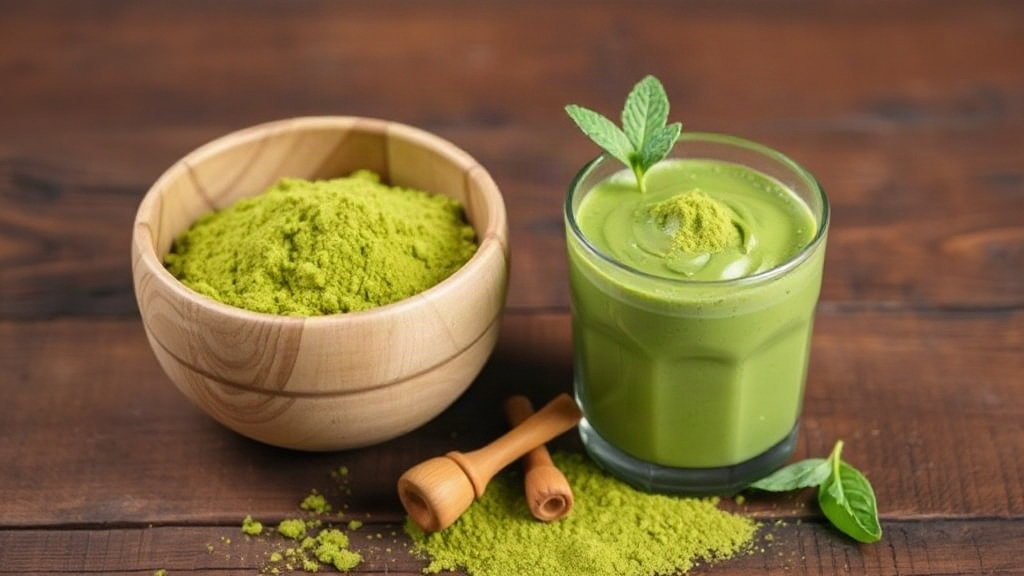
In recent years, the popularity of matcha has surged, particularly among health enthusiasts and those looking to manage their weight. This finely ground green tea powder, originating from Japan, is celebrated not only for its vibrant color but also for its numerous health benefits. Many individuals are turning to matcha as a natural alternative to traditional weight loss supplements, drawn by its potential to boost metabolism and enhance fat oxidation. With its unique blend of antioxidants, vitamins, and minerals, matcha offers a comprehensive approach to weight management that goes beyond mere dieting.
As people increasingly seek holistic and sustainable methods for weight loss, matcha stands out due to its rich content of catechins, particularly epigallocatechin gallate (EGCG). These compounds are believed to play a significant role in fat burning and improving overall metabolism. Furthermore, matcha provides a gentle caffeine boost that can enhance exercise performance and increase energy levels without the jitters commonly associated with coffee. This makes it an appealing choice for those looking to incorporate a natural source of energy into their daily routine.
Moreover, matcha is incredibly versatile, making it easy to incorporate into various diets and lifestyles. Whether enjoyed as a tea, added to smoothies, or used in baking, the adaptability of matcha allows individuals to enjoy its benefits in ways that suit their preferences. As we explore the potential benefits and considerations of using matcha for weight management, it’s essential to understand how this powerhouse green tea can fit into a balanced lifestyle.
Understanding the Nutritional Benefits of Matcha
Matcha is not just a trendy drink; it is packed with a plethora of nutrients that contribute to its weight loss benefits. One of the most notable attributes is its high concentration of antioxidants. These powerful compounds help combat oxidative stress in the body, which is linked to various health issues, including weight gain. A single serving of matcha contains up to three times the amount of antioxidants found in regular green tea, making it a superior choice for health-conscious individuals.
Additionally, matcha is rich in fiber, which aids in digestion and promotes a feeling of fullness. This can help curb cravings and reduce the likelihood of overeating. The presence of chlorophyll in matcha, which gives it its vibrant green color, also contributes to detoxification and may support healthy liver function. As a result, regular consumption of matcha can assist in maintaining a balanced metabolism while providing necessary nutrients for overall health.
Furthermore, the unique amino acid called L-theanine found in matcha promotes relaxation without drowsiness. This can be particularly beneficial for those who struggle with emotional eating or stress-related weight gain. By enhancing mood and focus, L-theanine can help individuals make healthier food choices and maintain consistency in their weight loss efforts.
Matcha contains up to three times the antioxidants of regular green tea, significantly enhancing its health benefits.
How Matcha Enhances Metabolism and Fat Oxidation
One of the primary reasons matcha is associated with weight loss is its ability to boost metabolism. Scientific studies have shown that the catechins in matcha can increase the body’s metabolic rate, even during rest. This means that individuals who incorporate matcha into their daily routine may burn more calories throughout the day compared to those who do not. This effect is particularly beneficial for those looking to shed extra pounds without drastically changing their diet or exercise routine.
Moreover, matcha has been shown to enhance fat oxidation during exercise. This means that when consumed before physical activity, matcha can help the body utilize fat as a fuel source more efficiently. Athletes and fitness enthusiasts often find that consuming matcha before workouts can lead to improved performance and endurance. This is primarily due to the combination of caffeine and catechins, which work synergistically to enhance energy levels and fat burning.
In addition to its metabolic benefits, matcha can also help regulate blood sugar levels. Stable blood sugar is crucial for weight management, as spikes and crashes can lead to unwanted cravings and overeating. The consumption of matcha has been linked to improved insulin sensitivity, which can help maintain more stable energy levels throughout the day and reduce the risk of weight gain.
Incorporating matcha into your routine can boost metabolism and enhance fat oxidation, making it an excellent tool for weight management.
Incorporating Matcha into Your Daily Routine
Integrating matcha into your daily life can be both enjoyable and beneficial for your weight loss journey. One of the simplest ways to enjoy matcha is by preparing a traditional matcha tea. This involves whisking the matcha powder with hot water until frothy. For those who prefer a creamier option, adding almond or oat milk can create a delicious matcha latte. This not only enhances the flavor but also adds additional nutrients.
Another popular way to incorporate matcha is through smoothies. Adding a teaspoon of matcha to your morning smoothie can provide an energy boost while enhancing the nutritional profile. Pairing matcha with ingredients such as spinach, banana, and protein powder can create a balanced meal that keeps you full and satisfied. Additionally, matcha can be used in baking, adding a unique flavor and vibrant color to muffins, pancakes, and energy bars.
It’s important to be mindful of the amount of matcha you consume. While it is safe for most people, excessive intake can lead to side effects due to its caffeine content. Aiming for one to two servings of matcha per day is generally recommended to reap its benefits without overdoing it. Listening to your body and adjusting your intake based on your response is crucial for optimal results.
Potential Side Effects and Considerations
While matcha offers numerous benefits, it is essential to be aware of potential side effects. The caffeine content in matcha, although less than coffee, can still lead to jitters or anxiety in sensitive individuals. It’s advisable to start with small amounts and monitor how your body reacts. Pregnant or breastfeeding women, as well as those with certain medical conditions, should consult a healthcare professional before incorporating matcha into their diet.
Additionally, the quality of matcha can vary significantly. Opting for high-quality, ceremonial-grade matcha is crucial to ensure you are receiving the maximum health benefits. Lower-grade matcha may contain fillers or lower antioxidant levels, diminishing its effectiveness. Purchasing matcha from reputable sources and checking for certifications can help ensure quality.
Lastly, while matcha can be a helpful tool in weight loss, it should not be viewed as a miracle solution. A balanced diet and regular exercise are still fundamental components of any weight management plan. Incorporating matcha as part of a holistic approach can enhance results when combined with healthy lifestyle choices.
Pros and Cons
- Pros:
- Boosts metabolism: Matcha can increase metabolic rate, aiding in weight loss.
- Rich in antioxidants: It provides significant health benefits through its high antioxidant content.
- Enhances fat burning: Consuming matcha before exercise can improve fat oxidation.
- Versatile consumption: Matcha can be enjoyed in various forms, making it easy to include in your diet.
- Cons:
- Caffeine sensitivity: The caffeine content may cause jitters or anxiety in some individuals.
- Quality variance: Not all matcha is created equal, and lower-quality products may lack benefits.
- Not a miracle solution: Weight loss requires a comprehensive approach, not just relying on matcha.
In weighing the pros and cons, it is clear that matcha holds significant potential for aiding in weight management. Its ability to boost metabolism, enhance fat oxidation, and provide essential nutrients makes it a valuable addition to a healthy lifestyle. However, individuals must approach its consumption mindfully, considering personal health factors and the quality of the matcha they choose.
Frequently Asked Questions
- What is matcha and how is it different from regular green tea?
Matcha is a powdered form of green tea made from shade-grown tea leaves. Unlike regular green tea, where leaves are steeped and then discarded, matcha is consumed whole, leading to higher antioxidant levels and enhanced health benefits.
- Can matcha help with weight loss?
Yes, matcha can aid in weight loss by boosting metabolism and enhancing fat oxidation. Its unique combination of caffeine and catechins works together to increase energy expenditure, making it an effective tool for weight management when paired with a balanced diet and exercise.
- How much matcha should I consume daily?
It is generally recommended to consume one to two servings of matcha per day. Individual tolerance may vary, so starting with smaller amounts and assessing your body’s response is advisable.
- Are there any side effects of consuming matcha?
While matcha is safe for most people, excessive consumption may lead to side effects due to its caffeine content, including jitters or anxiety. Pregnant individuals and those with certain health conditions should consult a healthcare professional before consumption.
- How can I incorporate matcha into my diet?
Matcha can be enjoyed in various ways, including traditional tea, smoothies, lattes, and baked goods. Its versatility makes it easy to add to your daily routine while enjoying its unique flavor and health benefits.
Conclusion
In conclusion, matcha presents a unique and effective approach to weight management that encompasses various health benefits. With its impressive antioxidant profile, ability to enhance metabolism, and versatile consumption methods, matcha can be a valuable ally in your weight loss journey. However, it is essential to approach its use thoughtfully, considering personal health factors and ensuring high-quality matcha selection. Ultimately, while matcha can significantly aid weight management, it should be part of a holistic lifestyle that includes a balanced diet and regular physical activity. Embracing matcha could be a step towards achieving your health and wellness goals.
