
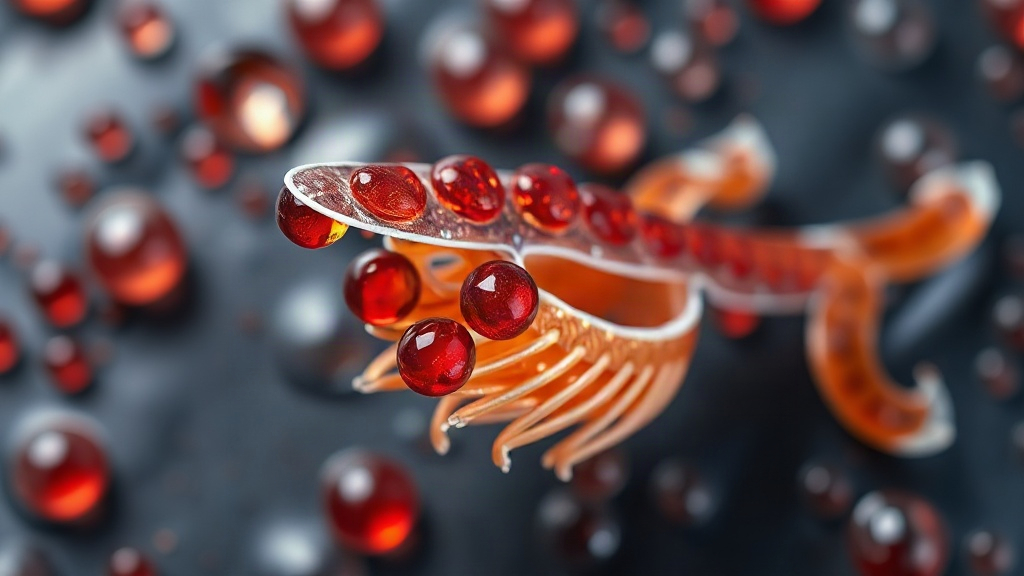
In recent years, there has been a growing interest in dietary supplements that offer various health benefits. Among these, krill oil, particularly its combination with astaxanthin, has gained significant attention. This potent oil extracted from tiny crustaceans known as krill is rich in omega-3 fatty acids, which are essential for maintaining overall health. Astaxanthin, a powerful antioxidant found in krill, enhances the benefits of this oil, making it a popular choice among health-conscious individuals.
The significance of omega-3 fatty acids cannot be overstated; they play a crucial role in brain function, heart health, and reducing inflammation in the body. Krill oil with astaxanthin not only provides these vital fatty acids but also offers additional benefits due to the antioxidant properties of astaxanthin. This combination can contribute to improved cardiovascular health, better cognitive function, and enhanced skin health, making it an appealing option for those looking to boost their wellness.
As more people seek natural alternatives for maintaining their health, understanding the benefits and potential drawbacks of supplements like krill oil with astaxanthin becomes increasingly important. By exploring its advantages, the science behind its efficacy, and its suitability for different individuals, we can make informed decisions about incorporating this supplement into our daily routines.
Essential Benefits of Omega-3 Fatty Acids
Omega-3 fatty acids are known for their numerous health benefits, which include reducing the risk of heart disease and improving brain health. These essential fats are primarily found in fish oil, but krill oil provides a unique alternative with its own set of advantages. One of the primary benefits of omega-3s is their ability to lower triglyceride levels, which can help prevent cardiovascular issues. Studies have shown that regular consumption of omega-3s can lead to a significant reduction in heart attack and stroke risk.
Furthermore, omega-3 fatty acids are critical for brain health. They are integral to maintaining the structure and function of brain cells. Research suggests that adequate intake of omega-3s can improve cognitive function and may even reduce the risk of neurodegenerative diseases such as Alzheimer’s. This makes krill oil with astaxanthin an excellent choice for individuals concerned about their cognitive health as they age.
Astaxanthin, the potent antioxidant found in krill, also plays a crucial role in enhancing the benefits of omega-3s. It helps protect the omega-3 fatty acids from oxidation, ensuring that they remain effective in the body. This synergy between astaxanthin and omega-3s not only boosts heart health but also promotes overall wellness.
Studies indicate that omega-3 fatty acids can decrease inflammation, which is linked to various chronic diseases.
How Astaxanthin Enhances Health
Astaxanthin is a carotenoid known for its vibrant red color, which is responsible for the pink hue of shrimp and salmon. This powerful antioxidant has been shown to provide numerous health benefits, particularly when combined with omega-3 fatty acids found in krill oil. One of the most notable benefits of astaxanthin is its ability to reduce oxidative stress in the body. Oxidative stress can lead to chronic diseases, including cancer and heart disease, making astaxanthin a valuable addition to a health-focused regimen.
Research has demonstrated that astaxanthin can improve skin health by protecting against UV damage and reducing the appearance of fine lines and wrinkles. Its anti-inflammatory properties also contribute to a healthier complexion, making it a popular ingredient in skincare products. By taking krill oil with astaxanthin, individuals can enjoy not only internal health benefits but also improved skin appearance.
Additionally, astaxanthin has been linked to enhanced endurance and physical performance. Athletes and fitness enthusiasts often seek out this antioxidant to improve recovery times and reduce muscle fatigue. By incorporating krill oil with astaxanthin into their diets, they can potentially gain a competitive edge while promoting better overall health.
Astaxanthin has been shown to be significantly more effective than vitamin E at combating oxidative stress.
Choosing the Right Krill Oil Supplement
When considering adding krill oil with astaxanthin to your daily routine, it’s essential to choose a high-quality supplement. Not all krill oil products are created equal, and factors such as sourcing, processing, and purity can significantly impact their effectiveness. Look for products that are sustainably sourced from clean waters to ensure you are getting the highest quality oil without harmful contaminants.
Moreover, verify that the krill oil is standardized for astaxanthin content. A good supplement should provide a specific amount of astaxanthin per serving to ensure you receive the benefits associated with this powerful antioxidant. Reading labels and researching brands can help you make an informed decision and select the best product for your needs.
Another consideration is whether to choose liquid or capsule forms of krill oil. While both forms are effective, liquid krill oil may be absorbed more quickly by the body, providing faster benefits. However, capsules are more convenient for on-the-go lifestyles. Ultimately, the choice will depend on personal preferences and lifestyle factors.
Potential Side Effects and Precautions
While krill oil with astaxanthin is generally considered safe for most individuals, it is essential to be aware of potential side effects and precautions. Some users may experience mild gastrointestinal discomfort, including bloating and diarrhea, particularly when first introducing the supplement into their diet. To minimize these effects, it is advisable to start with a lower dose and gradually increase it as your body adjusts.
Individuals who are allergic to shellfish should avoid krill oil, as it is derived from crustaceans. Additionally, people taking blood thinners or medications that affect blood clotting should consult with a healthcare provider before starting any new supplement regimen. It is crucial to ensure that there are no interactions that could potentially lead to complications.
Pregnant or nursing women should also seek medical advice before taking krill oil with astaxanthin. While the supplement offers numerous health benefits, it is essential to prioritize safety for both the mother and the child. Keeping open communication with healthcare professionals can help navigate any concerns regarding supplement use.
Pros and Cons
- Pros:
- Rich in omega-3 fatty acids that support heart health and cognitive function.
- Astaxanthin enhances the antioxidant properties of the oil, providing additional health benefits.
- May improve skin health and reduce signs of aging.
- Supports physical performance and recovery, making it beneficial for athletes.
- Cons:
- May cause mild gastrointestinal discomfort in some users.
- Not suitable for individuals with shellfish allergies.
- Potential interactions with blood-thinning medications.
In weighing the pros and cons of krill oil with astaxanthin, it is clear that the benefits can outweigh the drawbacks for many individuals. The rich content of omega-3 fatty acids coupled with the powerful antioxidant astaxanthin makes this supplement a strong contender in the health and wellness space. However, it is crucial to consider individual health conditions and consult with a healthcare provider to ensure safe usage.
Frequently Asked Questions
- What is krill oil and how does it differ from fish oil?
Krill oil is derived from small crustaceans known as krill, while fish oil is extracted from fatty fish such as salmon or mackerel. Krill oil contains omega-3 fatty acids in a phospholipid form, which may enhance absorption compared to the triglyceride form found in fish oil. Additionally, krill oil is rich in astaxanthin, providing additional antioxidant benefits.
- How much krill oil with astaxanthin should I take daily?
The recommended dosage can vary based on individual health goals and conditions, but a common dosage is 1,000 mg of krill oil per day. It is advisable to consult with a healthcare provider to determine the appropriate amount for your specific needs and to ensure safety.
- Are there any interactions with medications?
Yes, krill oil may interact with blood-thinning medications and other drugs that affect blood clotting. It is essential to discuss your current medications with a healthcare provider before starting krill oil to avoid potential complications.
- Can I take krill oil if I am pregnant or nursing?
While krill oil offers health benefits, it is important for pregnant or nursing women to consult with a healthcare provider before incorporating it into their diet. Ensuring safety for both the mother and child should always be a top priority.
- What should I look for when choosing a krill oil supplement?
Opt for a high-quality krill oil supplement that is sustainably sourced, standardized for astaxanthin content, and free from harmful contaminants. Reading labels and researching brands can help ensure you select a safe and effective product.
Conclusion
In summary, krill oil with astaxanthin presents a unique and powerful combination of health benefits, particularly due to its rich omega-3 fatty acid content and the antioxidant properties of astaxanthin. By choosing a high-quality supplement and being mindful of potential side effects, individuals can incorporate this oil into their daily routines to support heart health, cognitive function, and skin appearance. As with any supplement, it is important to consult with a healthcare provider to ensure it fits well with individual health needs and lifestyles. With the right approach, krill oil with astaxanthin can be a valuable addition to a balanced diet and wellness regimen.
