
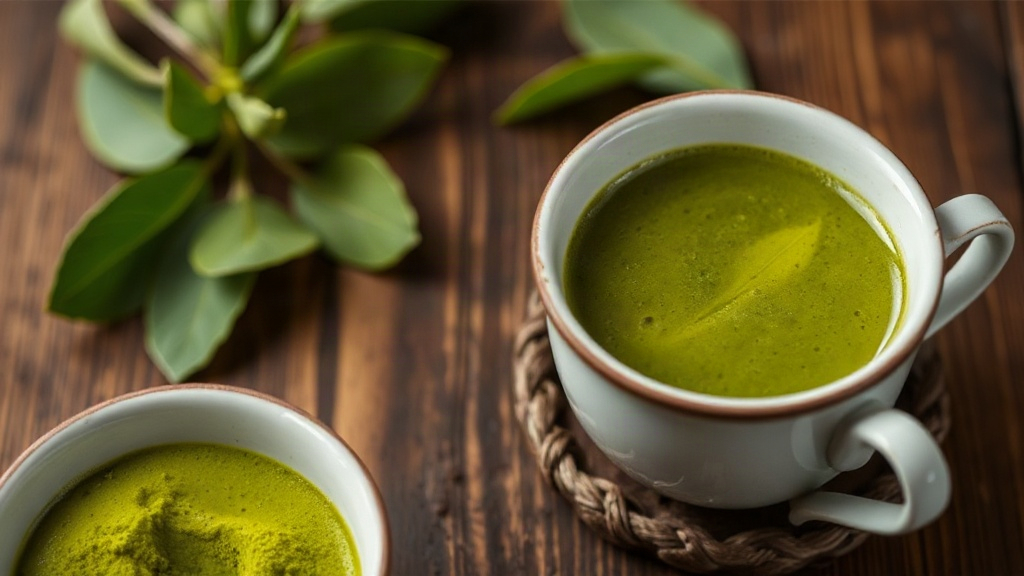
In recent years, matcha has surged in popularity, often being touted as a superfood and a health elixir. Many enthusiasts and casual drinkers alike frequently wonder about the relationship between matcha and traditional green tea. This curiosity stems from their similar origins and shared health benefits, prompting questions about their differences and similarities. Understanding whether matcha can be considered the same as green tea requires a closer examination of their production processes, nutritional profiles, and cultural significance.
Both matcha and green tea are derived from the Camellia sinensis plant, but the methods of cultivation and preparation vary significantly. While green tea leaves are typically steeped in hot water, matcha involves a unique process where the leaves are ground into a fine powder, which is then whisked with water. This distinction not only impacts flavor and texture but also influences the nutritional value of the beverages. As more consumers seek to enhance their wellness routines, it is essential to understand the nuances between these two green tea varieties.
Additionally, the growing interest in matcha has prompted a surge of products ranging from lattes to desserts, all claiming the health benefits associated with this finely ground tea. This demand has created a marketplace filled with options, making it imperative for consumers to discern between authentic matcha and lower-quality substitutes. In this article, we will explore the characteristics of matcha and green tea, providing insights into their preparation, health benefits, and how to choose the right product for your lifestyle.
Understanding the Cultivation and Production Methods
The cultivation and production methods of matcha and green tea play a crucial role in their flavor profiles and health benefits. Matcha is cultivated in the shade for several weeks before harvest, allowing the plants to produce more chlorophyll and amino acids, resulting in a vibrant green color and a rich umami flavor. This shading process also enhances the production of L-theanine, an amino acid that contributes to the calming effects associated with matcha.
In contrast, traditional green tea is grown in full sunlight, which leads to a different flavor profile that may be more astringent or grassy. Once harvested, green tea leaves are quickly steamed or pan-fired to prevent oxidation, preserving their green color and fresh flavor. The leaves are then rolled and dried, which prepares them for steeping. This process results in a beverage that is refreshing but lacks the concentrated flavors and nutrients found in matcha.
The differing cultivation techniques significantly affect the flavor, color, and nutritional content of matcha and green tea.
Another significant difference lies in the way these teas are processed post-harvest. Matcha leaves are carefully de-stemmed and de-veined before being stone-ground into a fine powder. This meticulous production method ensures that the final product is rich in flavor and nutrients, as the whole leaf is consumed when drinking matcha. Consequently, matcha offers a unique experience, where the drinker enjoys not only the taste but also the full spectrum of health benefits that come from consuming the entire leaf.
Health Benefits of Matcha vs. Green Tea
Both matcha and green tea are celebrated for their health benefits, but matcha takes the lead in several areas due to its concentrated nature. For instance, matcha contains higher levels of antioxidants, particularly catechins, which are known for their role in reducing inflammation and supporting overall health. Studies indicate that the antioxidant capacity of matcha is significantly greater than that of regular green tea, making it a powerful ally in disease prevention.
Moreover, matcha boasts a higher concentration of L-theanine, which promotes relaxation without drowsiness. This unique combination of caffeine and L-theanine in matcha leads to a state of alert calmness, making it an ideal beverage for those who need to focus. Green tea also contains L-theanine, but in lower quantities, which can result in a more jittery effect when consumed in larger amounts due to its caffeine content.
The health benefits of matcha are amplified due to its unique preparation and concentrated nutrients.
In terms of weight management, matcha has been shown to enhance metabolism and promote fat burning, making it a popular choice among fitness enthusiasts. Research suggests that consuming matcha can increase calorie expenditure and fat oxidation, leading to improved weight management outcomes. While green tea also offers metabolic benefits, the effects are typically less pronounced compared to matcha, primarily due to the differences in how they are consumed and digested.
Flavor Profiles and Culinary Uses
The flavor profiles of matcha and green tea also differ significantly, which impacts their culinary applications. Matcha has a rich, creamy texture and a slightly sweet, grassy flavor, making it a versatile ingredient in various recipes. From traditional tea ceremonies to modern lattes, smoothies, and baked goods, matcha can elevate dishes with its vibrant color and unique taste. Many chefs and home cooks appreciate the ability to incorporate matcha into both savory and sweet dishes, expanding its culinary potential.
In contrast, green tea has a lighter, more delicate flavor that can range from sweet to astringent, depending on the type of green tea and the brewing method. While it is commonly enjoyed as a hot or iced beverage, its culinary uses are generally limited compared to matcha. However, green tea can still be used in cooking and baking, particularly in recipes that call for a subtle flavor enhancement.
The versatility of matcha allows it to be used in a wide range of culinary applications, from beverages to desserts.
When preparing matcha, traditionalists often emphasize the importance of using high-quality, ceremonial-grade matcha for the best flavor and health benefits. This premium quality matcha is characterized by its bright green color and fine texture, ideal for whisking with hot water. On the other hand, culinary-grade matcha, which is less expensive, is suitable for baking and cooking, where the flavor may be masked by other ingredients.
Choosing the Right Product: Matcha vs. Green Tea
When selecting between matcha and green tea, it’s essential to consider your personal preferences, health goals, and intended use. If you’re seeking a beverage that offers a concentrated source of antioxidants, L-theanine, and a unique flavor, matcha is an excellent choice. However, if you prefer a lighter flavor and a more straightforward preparation method, green tea may be more appealing.
It is also crucial to pay attention to the quality of the product you choose. For matcha, look for brands that offer organic, ceremonial-grade options with a vibrant green color and fine texture. Avoid products that appear dull or yellowish, as this may indicate lower quality. Similarly, when selecting green tea, opt for loose leaves or high-quality tea bags that preserve freshness and flavor.
The quality of the tea significantly impacts its flavor and health benefits, making careful selection essential.
Ultimately, both matcha and green tea can play valuable roles in a balanced diet. Incorporating a variety of tea types can enhance your overall wellness routine, allowing you to benefit from the unique properties of each. Whether you choose matcha for its robust flavor and health benefits or green tea for its refreshing qualities, both options provide a delicious way to hydrate and nourish your body.
Pros and Cons
- Pros:
- Matcha is rich in antioxidants, providing enhanced health benefits compared to traditional green tea.
- The presence of L-theanine in matcha promotes calmness and focus, making it suitable for studying and working.
- Versatile culinary uses of matcha allow for creative incorporation into meals and beverages.
- Matcha can support weight management by boosting metabolism and fat oxidation.
- Cons:
- Matcha can be more expensive than traditional green tea due to its labor-intensive production process.
- Some people may find the flavor of matcha to be an acquired taste, especially if they are accustomed to sweeter beverages.
- Overconsumption of matcha can lead to excessive caffeine intake, which may cause jitters in sensitive individuals.
In weighing the pros and cons, it becomes evident that both matcha and green tea have unique advantages and disadvantages. While matcha offers superior health benefits and versatility, it comes at a higher cost and may not suit everyone’s palate. Green tea, on the other hand, provides a lighter option with its own set of health benefits, making it an excellent addition to any diet.
Frequently Asked Questions
- What is the main difference between matcha and green tea?
The primary difference lies in their preparation and consumption. Matcha is made from finely ground whole tea leaves, while green tea is brewed from steeped leaves. This distinction results in matcha having a more concentrated flavor and higher nutritional value.
- Can I substitute green tea for matcha in recipes?
While you can substitute green tea for matcha, the flavor and texture will differ significantly. Matcha provides a creamier consistency and a more robust flavor, so adjustments may be needed to achieve the desired outcome in recipes.
- Is matcha suitable for everyone?
Matcha is generally safe for most people, but those sensitive to caffeine should consume it in moderation. Additionally, individuals with certain medical conditions should consult a healthcare professional before incorporating it into their diet.
- How should I store matcha and green tea?
Both matcha and green tea should be stored in a cool, dark place in an airtight container to preserve freshness. Matcha is particularly sensitive to light and air, so proper storage is crucial for maintaining its quality.
- Can I drink matcha every day?
Yes, many people enjoy matcha daily as part of their wellness routine. However, moderation is key, as excessive consumption can lead to increased caffeine intake. It’s essential to balance matcha with other foods and beverages.
Conclusion
In summary, while matcha and green tea share a common origin, their differences in cultivation, preparation, and health benefits set them apart. Matcha offers a rich, concentrated source of antioxidants and amino acids, making it a valuable addition to a healthy lifestyle. On the other hand, green tea presents a lighter, more accessible option that still provides numerous health benefits. Choosing between the two ultimately depends on personal preferences, health goals, and culinary applications. By understanding their unique characteristics, you can make informed decisions that enhance your well-being and enjoyment of these popular beverages.
