
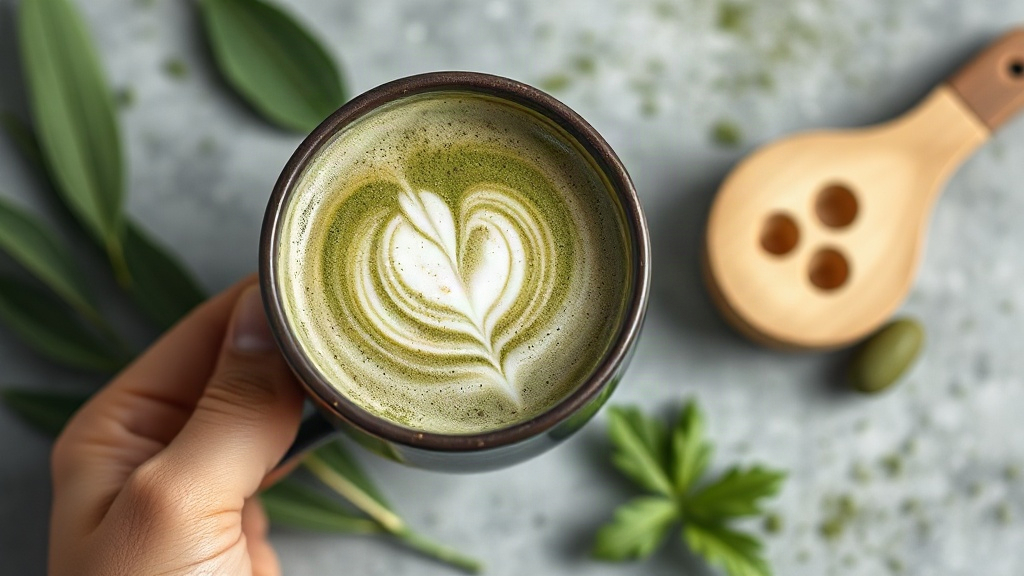
Matcha has gained significant popularity in recent years as a trendy beverage that offers a unique flavor and numerous health benefits. Many people are drawn to matcha for its vibrant green color and its association with traditional Japanese tea ceremonies. However, a common question arises regarding its caffeine content. Understanding whether matcha is caffeinated is crucial for those who are sensitive to caffeine or looking to manage their intake.
This article aims to delve into the caffeine content of matcha, comparing it with other beverages, and examining its effects on the body. With its distinct preparation method and rich history, matcha is not just a drink but a cultural experience. By the end of this article, readers will have a comprehensive understanding of matcha’s caffeine levels and how it can fit into their diets.
As we explore the specifics, it’s important to distinguish between different types of green tea and their caffeine content. Matcha, unlike regular green tea, is made from finely ground tea leaves, which may enhance its effects. The preparation and consumption of matcha can significantly impact how caffeine influences the drinker. This article will provide insights into the nuances of matcha and its caffeine properties.
Understanding Caffeine Content in Matcha
To grasp the caffeine levels present in matcha, it is essential to compare it with other common beverages. A typical serving of brewed coffee contains approximately 95 mg of caffeine, while a cup of black tea has about 40-70 mg. In contrast, matcha typically contains around 70 mg of caffeine per serving. This amount can vary based on the quality of the matcha and the preparation method used.
When preparing matcha, the process involves whisking the powdered leaves with hot water, creating a frothy drink that retains the whole leaf’s benefits. This method not only enhances the flavor but also contributes to its caffeine content. Since matcha uses the entire leaf, it delivers a more concentrated source of caffeine compared to other forms of green tea, which are steeped and then discarded.
Interestingly, the caffeine in matcha is absorbed more slowly due to the presence of L-theanine, an amino acid that promotes a state of calm alertness. This unique combination allows drinkers to experience a mild energy boost without the jitteriness often associated with coffee. Many find that matcha provides a smoother, more sustained energy increase, making it a preferred choice for those looking to enhance their focus and concentration.
Matcha contains a unique combination of caffeine and L-theanine, which can lead to a more balanced energy boost compared to coffee.
Comparing Matcha to Other Green Teas
While matcha is a popular choice, it is important to note that other types of green tea also contain caffeine. For example, a typical cup of brewed green tea has about 20-45 mg of caffeine, depending on the brewing time and temperature. This makes matcha a stronger option for those seeking an energy boost, while still providing the health benefits associated with green tea.
Each type of green tea has its unique flavor profile and health benefits. Matcha is often celebrated for its high antioxidant content, particularly catechins, which have been linked to various health benefits, including improved metabolism and enhanced brain function. Other green teas, while still beneficial, may not have the same concentration of these powerful compounds due to the different preparation and processing methods.
Moreover, the cultivation of matcha involves covering the tea plants with shade cloths before harvest. This process increases the chlorophyll content of the leaves, contributing to the vibrant green color and enhancing its overall health benefits. The specific growing conditions and processing of matcha set it apart from regular green tea, making it a unique addition to any diet.
Health Benefits Associated with Matcha
Matcha is not only recognized for its caffeine content but also for its impressive array of health benefits. The high concentration of antioxidants, particularly EGCG (epigallocatechin gallate), has been shown to support heart health, weight management, and even cancer prevention. Consuming matcha may help reduce inflammation and improve overall health.
Furthermore, the presence of L-theanine in matcha promotes relaxation and focus. This can be particularly beneficial for individuals who suffer from anxiety or those looking for a calming effect without the drowsiness that often accompanies other beverages. Many matcha enthusiasts report feeling more alert and less jittery, making it an excellent choice for productivity.
Regular consumption of matcha may also aid in enhancing metabolic rates, promoting fat oxidation, and improving exercise performance. Studies suggest that the combination of caffeine and catechins in matcha can significantly boost metabolic rates during exercise, providing an extra edge for those engaging in physical activity.
Matcha’s high antioxidant content and unique compounds make it a powerhouse for supporting overall health and wellness.
Potential Side Effects and Considerations
Despite its many benefits, it is important to approach matcha consumption with consideration for individual tolerance levels. While moderate consumption is generally safe for most individuals, excessive intake can lead to side effects such as insomnia, jitteriness, and digestive issues. It is crucial to monitor one’s response to caffeine, especially for those who are sensitive to it.
Additionally, due to the way matcha is produced, the quality of the tea can significantly impact its safety. Lower-quality matcha may contain higher levels of contaminants, such as heavy metals and pesticides. Therefore, it is advisable to choose high-quality, organic matcha from reputable sources to ensure a safe and enjoyable experience.
For those who are pregnant, breastfeeding, or have specific health conditions, consulting with a healthcare provider before incorporating matcha into their diet is recommended. This precaution ensures that individuals can enjoy the benefits of matcha while minimizing any potential risks associated with caffeine consumption.
Pros and Cons of Consuming Matcha
- Pros:
- High in antioxidants, which can promote overall health and wellness.
- Provides a sustained energy boost without the jitters associated with coffee.
- May improve mental clarity and focus due to the presence of L-theanine.
- Enhances metabolism, potentially aiding in weight management.
- Cons:
- Excessive consumption may lead to side effects such as insomnia and digestive issues.
- Quality of matcha can vary significantly, affecting safety and efficacy.
- Individuals sensitive to caffeine should approach consumption cautiously.
In weighing the pros and cons of matcha, it becomes clear that while it offers numerous health benefits, it is essential to consume it mindfully. The potential side effects can be managed with moderate intake, and choosing high-quality matcha can enhance the overall experience. Understanding one’s personal tolerance and preferences can help in enjoying matcha to its fullest potential.
Frequently Asked Questions
- Does matcha contain more caffeine than coffee?
While matcha does contain caffeine, it typically has less than a standard cup of coffee. A serving of matcha has about 70 mg of caffeine, whereas coffee contains approximately 95 mg. However, the effects of matcha may feel different due to the presence of L-theanine, which promotes calmness.
- Can I drink matcha every day?
Yes, many people enjoy matcha daily. However, moderation is key. Consuming 1-2 servings per day is generally considered safe for most individuals. It’s essential to listen to your body and adjust based on your caffeine tolerance.
- Is matcha safe during pregnancy?
While moderate consumption of matcha is generally considered safe, it is advisable for pregnant individuals to consult their healthcare provider before adding it to their diet. This ensures that they can manage their caffeine intake effectively.
- How should I prepare matcha for the best taste?
The best way to prepare matcha involves whisking the powdered leaves with hot water using a bamboo whisk. This method enhances the flavor and texture, creating a frothy beverage. Adjust the amount of matcha and water to suit your taste preference.
- What are the best ways to incorporate matcha into my diet?
Matcha can be enjoyed in various ways, including lattes, smoothies, or even baked goods. Experimenting with different recipes can help you find the best way to enjoy this nutritious beverage while reaping its health benefits.
Conclusion
In conclusion, matcha is a unique beverage that offers a moderate amount of caffeine along with numerous health benefits. Its rich antioxidants and calming effects make it a popular choice for those seeking an energy boost without the jitters associated with coffee. By understanding the caffeine content and how it compares to other beverages, individuals can make informed choices about incorporating matcha into their diets. Whether enjoyed in a traditional tea ceremony or blended into a smoothie, matcha presents a delicious and healthful option for enhancing overall well-being.
