
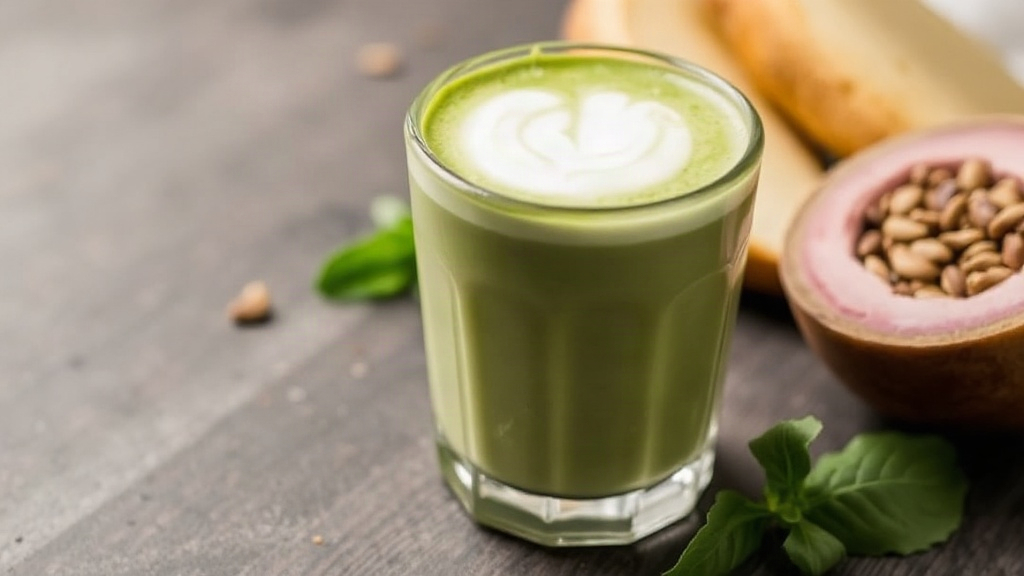
Matcha lattes have become increasingly popular in recent years, with many people incorporating them into their daily routines for a variety of reasons. This vibrant green drink not only offers a unique flavor profile but also boasts a range of potential health benefits. However, understanding the nutritional content, especially the caloric value, is crucial for those who are mindful of their dietary intake. Whether you are a fitness enthusiast or simply looking to make healthier choices, knowing how many calories are in your matcha latte can help guide your decisions.
The allure of matcha lies in its rich history and cultural significance, particularly in Japan, where it has been consumed for centuries. Traditionally used in tea ceremonies, matcha is made from finely ground green tea leaves, which are rich in antioxidants known as catechins. This unique preparation method allows for a higher concentration of beneficial compounds compared to regular green tea. As more people discover the delightful taste and health benefits of matcha, the matcha latte has emerged as a popular way to enjoy this superfood, often combined with milk or milk alternatives for a creamy texture.
As with any beverage, especially those that can be customized in numerous ways, the caloric content of a matcha latte can vary significantly based on the ingredients and preparation methods used. Factors such as the type of milk, sweeteners, and portion sizes all play a role in determining the overall calorie count. Therefore, it is essential to consider these elements when evaluating how a matcha latte fits into your daily caloric intake. In the following sections, we will delve deeper into the nutritional aspects of matcha lattes, discuss their benefits, and provide practical tips for enjoying this delicious drink while keeping your health goals in mind.
Understanding the Nutritional Profile
The nutritional profile of a matcha latte can provide significant insights into its caloric content. Typically, a standard matcha latte consists of matcha powder, milk (or a milk alternative), and sometimes sweeteners. A standard serving, which might contain about 1-2 teaspoons of matcha powder, can have around 3 calories. However, when combined with milk, sweeteners, or flavorings, the total calories can rise substantially.
For example, if you use whole milk, a typical 12-ounce matcha latte can contain approximately 200-300 calories, depending on the amount of milk and any added sweeteners. Conversely, using a lower-calorie milk alternative, such as almond or oat milk, can reduce the overall caloric count significantly. It is also essential to consider any additional flavors or toppings, which can add extra calories, contributing to the overall nutritional value of the beverage.
Moreover, understanding the benefits of matcha beyond just the caloric content is essential. Matcha is known for its high levels of antioxidants, which can help combat oxidative stress in the body. It also contains L-theanine, an amino acid that can promote relaxation without drowsiness, making it an excellent choice for those looking to enjoy caffeine without the jitters often associated with coffee. These benefits, combined with the unique flavor profile of matcha lattes, make it a compelling option for many health-conscious individuals.
The caloric content of a matcha latte can vary significantly based on the ingredients used, particularly the type of milk and any added sweeteners.
Caloric Variations Based on Ingredients
When it comes to matcha lattes, the type of ingredients used can greatly influence the caloric content. For instance, using different types of milk can lead to considerable differences in calories. A matcha latte made with whole milk typically contains more calories than one made with skim or plant-based milk. For example, a 12-ounce matcha latte with whole milk can contain around 300 calories, while the same drink with almond milk may only contain about 90 calories.
Additionally, sweeteners play a crucial role in the overall calorie count. Regular sugar can add around 16 calories per teaspoon, while honey can contribute around 21 calories for the same amount. If you prefer to use flavored syrups, those can add even more calories, sometimes exceeding 50 calories per serving. Therefore, if you are watching your caloric intake, it is wise to monitor how much sweetener you are adding to your matcha latte.
Furthermore, if you’re looking to keep your matcha latte lower in calories, consider experimenting with natural sweeteners like stevia or monk fruit, which can provide sweetness without the additional calories. Another option is to skip sweeteners altogether and focus on the natural flavors of matcha, which can be quite satisfying on their own. By being mindful of the ingredients and portion sizes, you can enjoy a delicious matcha latte while keeping your caloric intake in check.
Health Benefits of Matcha Lattes
Beyond the calorie count, matcha lattes offer a plethora of health benefits that make them a worthwhile addition to your diet. One of the most notable benefits is their high antioxidant content. Matcha is rich in catechins, particularly epigallocatechin gallate (EGCG), which has been linked to various health benefits, including improved heart health and weight management. By incorporating matcha into your diet, you may be able to enhance your overall health while enjoying a delicious beverage.
Additionally, matcha lattes can provide a more stable source of energy compared to traditional coffee. The presence of L-theanine in matcha helps to promote relaxation and focus, balancing the stimulating effects of caffeine. Many people report feeling more alert and focused after consuming a matcha latte without experiencing the jitters or crashes that can accompany coffee consumption. This makes matcha an appealing alternative for those looking to boost their productivity without the side effects commonly associated with coffee.
Moreover, matcha lattes can also support metabolism. Some studies suggest that the catechins in matcha may help increase metabolic rate and promote fat oxidation. While drinking a matcha latte alone won’t lead to weight loss, it can be a helpful part of a balanced diet and healthy lifestyle. As you enjoy this beverage, you’re not just indulging in a tasty treat; you are also providing your body with beneficial nutrients that can support your overall health and wellness.
Matcha lattes are rich in antioxidants and can provide a more stable energy boost compared to traditional coffee.
Practical Tips for Making a Healthier Matcha Latte
Creating a healthier matcha latte at home can help you control the caloric content while still enjoying this delightful beverage. Start by selecting high-quality matcha powder, as the quality can significantly impact the flavor and nutritional value. Look for matcha that is vibrant green and finely ground, as this indicates a higher level of antioxidants and flavor. Additionally, consider using organic matcha to avoid potential pesticide residues.
When it comes to milk, opt for low-calorie options such as almond, coconut, or oat milk. These alternatives can help reduce the overall caloric content without sacrificing flavor. If you prefer to use dairy, consider a lower-fat option like skim milk. For sweeteners, try to limit the amount of sugar or flavored syrups you use. Instead, experiment with natural alternatives like cinnamon or vanilla extract to enhance the flavor without adding extra calories.
Finally, be mindful of portion sizes. A typical serving of matcha powder is about 1-2 teaspoons, so try to stick to this amount to keep your caloric content in check. When preparing your matcha latte, balance the ingredients to create a satisfying drink that meets your taste preferences while remaining mindful of your health goals. By following these practical tips, you can enjoy a delicious matcha latte that aligns with your dietary needs.
Pros and Cons
- Pros:
- Rich in antioxidants: Matcha lattes are packed with antioxidants, which can help combat oxidative stress and support overall health.
- Stable energy boost: The combination of caffeine and L-theanine provides a more balanced energy boost compared to coffee.
- Customizable options: You can easily adjust the ingredients to suit your taste and caloric preferences.
- Potential weight management support: The catechins in matcha may help increase metabolism and fat oxidation.
- Cons:
- Caloric content variability: Depending on the ingredients used, matcha lattes can vary greatly in caloric content.
- Potential high sugar: Many commercial versions may contain high amounts of sugar if sweeteners are added liberally.
- Possible caffeine sensitivity: Some individuals may experience sensitivity to caffeine, leading to jitters or insomnia.
When weighing the pros and cons, it is clear that matcha lattes can be a healthy and enjoyable beverage choice. However, it is essential to pay attention to the ingredients and portion sizes to avoid excessive caloric intake. By making informed choices, you can enjoy the numerous benefits of matcha while keeping your health goals in mind.
Frequently Asked Questions
- How many calories are in a standard matcha latte?
The caloric content of a standard matcha latte can vary widely but typically ranges from 90 to 300 calories depending on the ingredients, such as the type of milk and any added sweeteners.
- Is matcha latte healthier than coffee?
While both beverages have their benefits, matcha lattes provide a steadier energy boost due to the presence of L-theanine, which can help reduce jitters commonly associated with coffee consumption.
- Can I make a low-calorie matcha latte?
Yes! To create a low-calorie matcha latte, use low-calorie milk alternatives, limit sweeteners, and control portion sizes of matcha powder to enjoy a delicious beverage without excessive calories.
- Are there any side effects of drinking matcha lattes?
Some individuals may experience caffeine sensitivity, leading to side effects like jitters or insomnia. It’s important to monitor your intake and choose how much matcha is appropriate for you.
- Can I enjoy a matcha latte daily?
Yes, many people enjoy matcha lattes daily as part of a balanced diet, but it’s wise to be mindful of your overall caffeine intake and any added ingredients that may increase the caloric content.
Conclusion
In summary, understanding the nutritional aspects of matcha lattes, particularly their caloric content, is essential for those who want to enjoy this popular beverage while maintaining a healthy lifestyle. With their rich antioxidant profile and potential health benefits, matcha lattes can be a delightful addition to your diet. By being mindful of the ingredients and portion sizes, you can savor the unique flavors of matcha without exceeding your caloric goals. As you explore the world of matcha, keep in mind that customization is key; finding the right balance of ingredients can make all the difference in creating a satisfying and healthy drink. Enjoy your matcha journey, and make informed choices to enhance your wellbeing.
